Smart glasses are becoming one of the most talked‑about gadgets in 2025. Big companies like Meta and Alibaba have already launched new models, and many people believe these glasses could change the way we use technology in daily life.
What Are Smart Glasses?
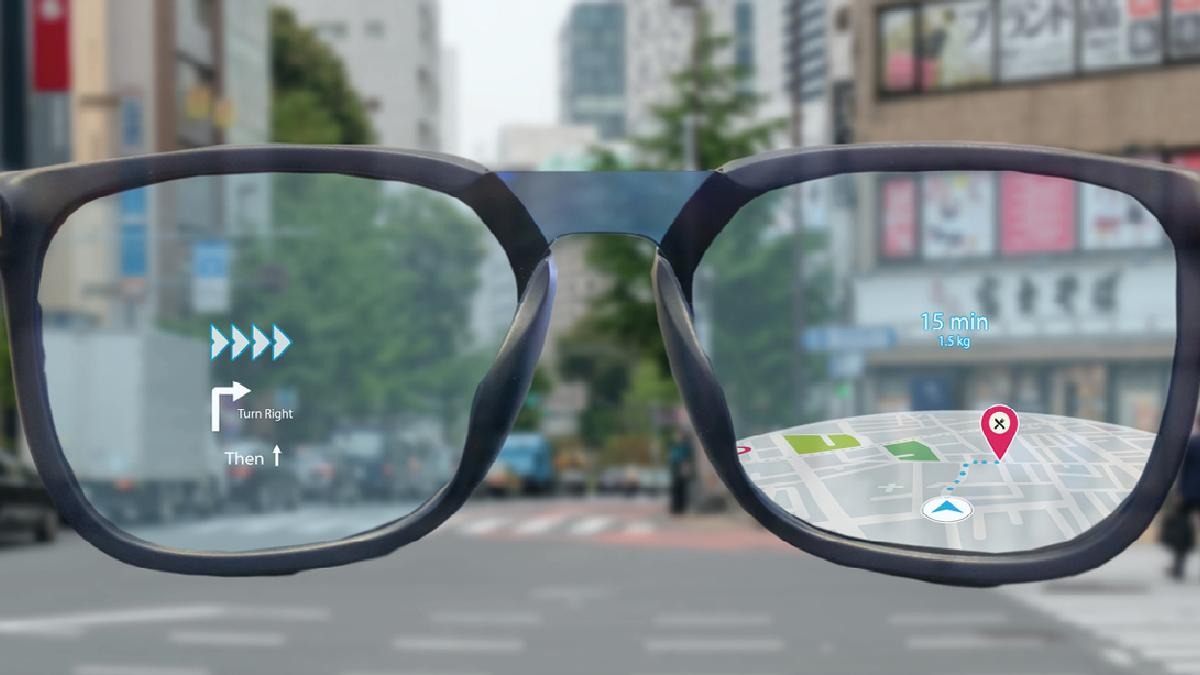
Smart glasses look like normal eyewear, but they have small computers built inside. They can take photos, record videos, show information on the lenses, and even connect to artificial intelligence assistants. This means you can use them without holding a phone in your hand.
Latest Models:
-
Meta Ray‑Ban Meta Gen 2: These glasses come with a better camera, longer battery life, and stylish designs. They allow users to capture photos and videos quickly and use Meta’s AI features through voice commands.
-
Alibaba Quark AI Glasses: These are cheaper, starting at $268. They include AI tools like real‑time translation, meeting notes, and shopping help. For example, if you look at a product, the glasses can show its price from Taobao directly on the lens.
Other companies like Xreal and Even Realities are also working on smart glasses with different features, such as lightweight displays and companion devices like smart rings.

Why Are They Useful?
Smart glasses are designed to make life easier:
-
Hands‑free use: You don’t need to hold a phone to take a picture or check directions.
-
Instant information: Translation, shopping details, or reminders can appear right in front of your eyes.
-
Style and comfort: Many new models look like regular glasses, so they don’t feel strange to wear in public.
Challenges:
Even though smart glasses sound exciting, there are still some problems:
-
Battery life: Using cameras and displays can drain power quickly.
-
Privacy concerns: People worry about hidden cameras recording without permission.
-
Price: While some models are affordable, others are still expensive.
The Future:
Experts believe smart glasses will become more popular as they get cheaper and more powerful. In the past, gadgets like smartwatches faced doubts, but today they are common. Smart glasses may follow the same path. With AI becoming stronger, these glasses could soon act like a personal assistant that is always with you.
Smart glasses are not just science fiction anymore. They are real products available in stores today. From Meta’s stylish Ray‑Ban glasses to Alibaba’s AI‑powered Quark models, the competition is growing fast. If companies can solve issues like battery life and privacy, smart glasses may become the next big gadget that everyone wants to own.