
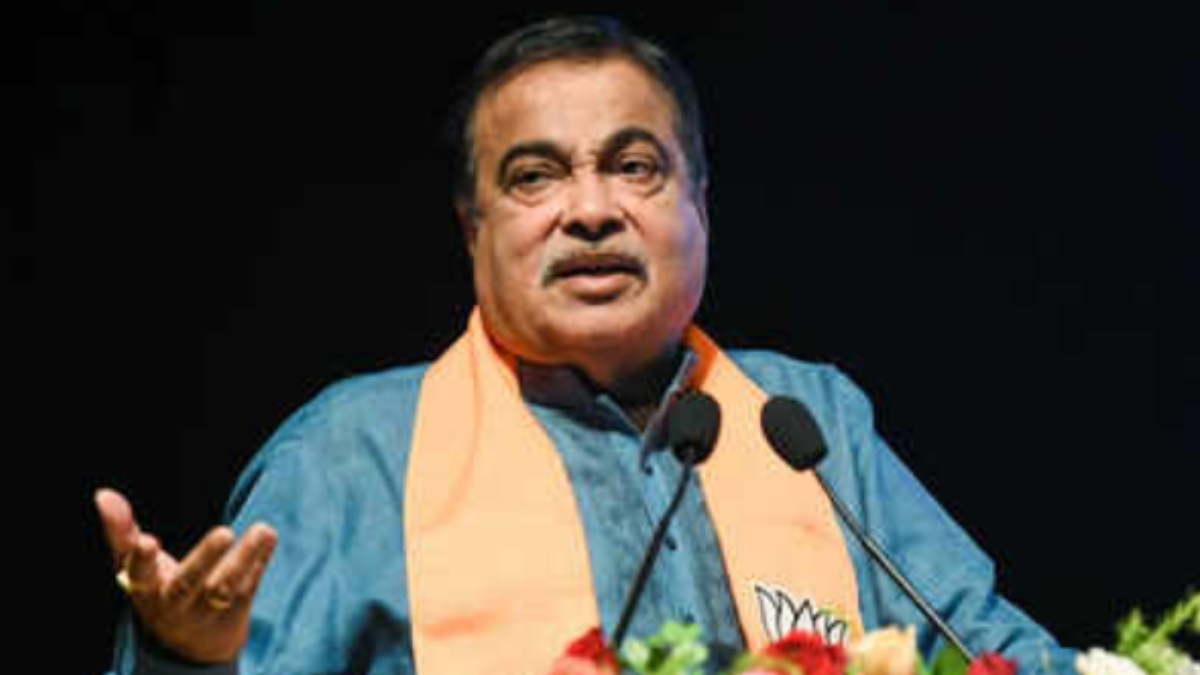
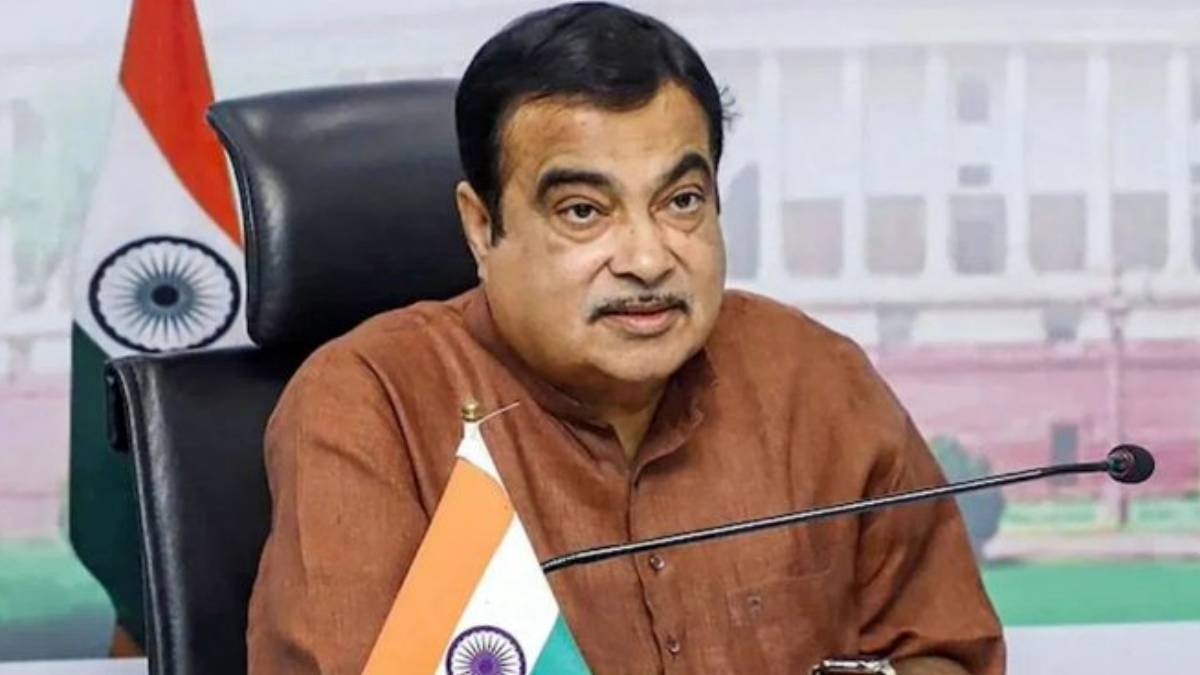
Union Road Transport and Highways Minister Nitin Gadkari has also proposed to relax the speed limit on expressways, and this will be of some help to motorists who are facing traffic challans for minor violations.
According to the newspaper, the government is telling them not to issue any traffic challans to vehicles travelling up to 120 kmph on expressways and allowing a 20% tolerance above the prescribed speed limit. Drivers are shocked, but the scope and the implementation of the proposed relaxation will need to be confirmed by the government.
The move is happening as India expands its expressways and access-controlled highways. Now that faster roads connect cities and industrial centres, and safety is more critical than ever for the people going to work, the speed of the people should be the same, but the road should be kept to a minimum.
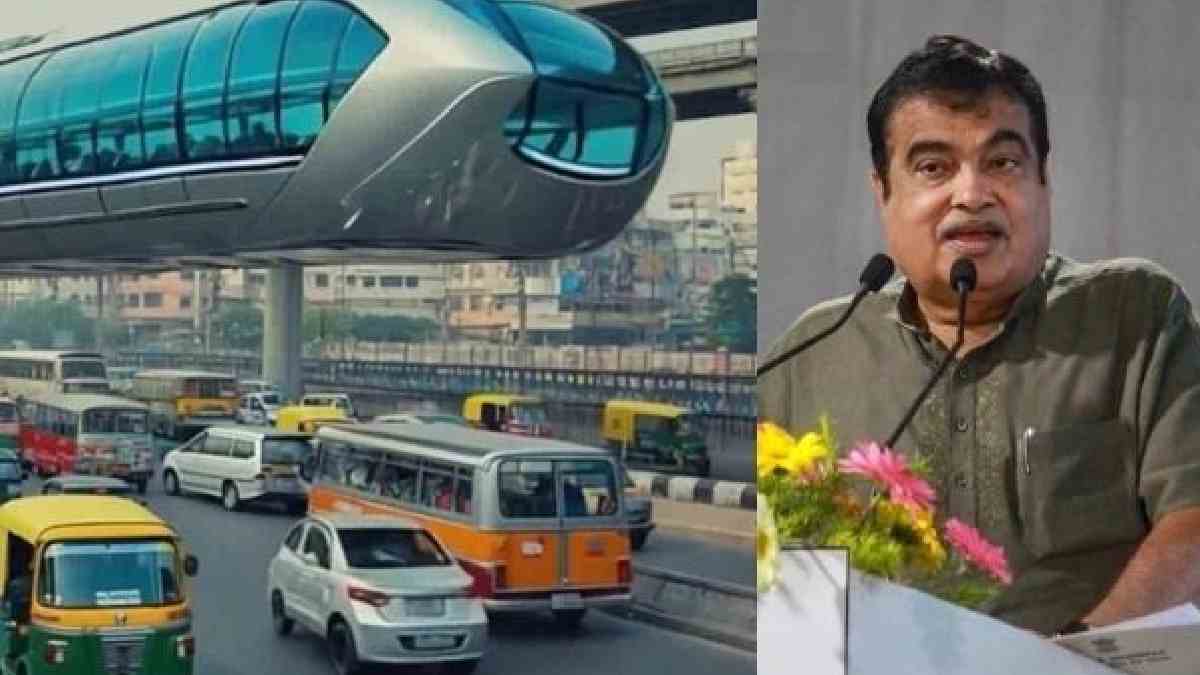
All speed cameras, electronic surveillance, and automated challan systems are in place to catch drivers speeding. But drivers have expressed concern over being told if their car was faster than the speed limit. The proposal would take care of the problem but would still make sure to punish the people who were speeding over the speed limit.
What did Nitin Gadkari say about Speeding Challans?
In addition, Gadkari said motorists should not be warned before driving at speeds up to 120 kmph on expressways. He said that a tolerance of 20 per cent over the prescribed speed limit should be considered before issuing a challan, with enforcement action only for vehicles above that.
If the approach is implemented in the way described, it could reduce the number of challans generated by relatively small speed-limit overruns. It could also provide traffic enforcement agencies with more guidance on how to handle minor speeding violations detected by automated monitoring systems.

However, motorists should not take the statement to mean total permission to drive 120 kmph on every expressway at any given time. The speed limit is a matter of road type, vehicle type, and government notification. A general statement made at an event does not automatically replace existing speed-limit regulations or establish a legally enforceable tolerance across the country.
So drivers must continue to follow the speed-limit signs on the road and check official announcements before assuming that the reported relaxation has taken effect.
Does 20% Speed Tolerance mean that drivers can go faster?
A posted speed limit and an enforcement tolerance are important. A speed limit sets the maximum speed allowed under the law and, if applied without enforcement, a tolerance can determine when an enforcement action is initiated.
For example, if an authority formally adopts a 20% enforcement tolerance on a road with a prescribed limit of 100 kmph, then the threshold would be 120 kmph. This calculation does not by itself establish that driving at 120 kmph is legal.
Similarly, a 20% tolerance above a 120 kmph limit would mean 144 kmph. It would be wrong to assume that this higher threshold holds nationally without a clear official directive specifying the roads, vehicle categories, and conditions covered.
The reported announcement should therefore be taken very carefully. Without the specific rules and implementation details being known, motorists need not use the proposed tolerance to justify exceeding posted speed limits.
AI-based traffic management for Highway Safety
In addition to speeding challans, Gadkari told industry members to advocate for the use of advanced traffic management tools that use artificial intelligence. The technology will help to monitor India’s ever-expanding highway network and make enforcement more effective.
AI-enabled surveillance can help authorities to detect traffic violations, monitor road use, and report on road conditions and drivers’ unsafe driving behaviour. The technology, combined with cameras, sensors, and automated monitoring systems, can find vehicles that are driving dangerously and violate lane discipline or engage in dangerous manoeuvres.
Lane discipline is especially important on expressways; high-speed vehicles moving at high speeds and sudden lane changes can lead to collisions. Heavy vehicles driving in inappropriate lanes, unsafe overtaking, and sudden manoeuvres can harm other motor vehicles.
In this context, advanced monitoring systems can help to find such behaviour more quickly and direct enforcement resources to violations that pose a greater risk to road safety.
Road Safety Remains a Major Concern
India’s expanding expressway network has reduced travel times between several cities, but high-speed driving requires greater attention, safe following distances, and disciplined lane usage. But even a brief lapse of concentration can have serious consequences when vehicles are travelling at highway speeds.
Motorists should keep a safe distance from the vehicle in front of them; do not brake too quickly, but at least use indicators before changing lanes; never use mobile phones when driving. Drivers should also pace themselves according to visibility, weather, traffic conditions, and road conditions, not just the maximum allowed speed.
Authorities should ensure that speed-limit signs are clearly defined, that automated systems of enforcement are well-calibrated, and that any changes to challan rules are communicated transparently.
What should drivers do now?
For now, motorists will be driving within the speed limits that are put in place, and roads will continue to be used. Drivers should check road signs and vehicle restrictions before driving down the highway, but also get the Ministry of Road Transport and Highways' or any highway authority’s guidelines and road conditions.
The announcement could signal that lesser speeding violations are being treated differently, but it’s the final official instructions that will play a role. And until all these details are verified, no driver should assume that every expressway has a universal 120 kmph speed limit or that a 20% tolerance automatically protects them from challans.
The larger goal remains to improve highway travel while reducing accidents. Good rule-based enforcement and good AI-based monitoring in place can help authorities distinguish minor violations from dangerous driving and strengthen enforcement on India’s growing expressway network.






Comments