
The Supreme Court has asked the SEC of Andhra Pradesh to extend the nomination deadline in places where candidates were reportedly prevented from filing their papers due to law and order problems. YSRCP alleges violence and obstruction caused the state's urban local body elections candidates to fail to get their candidate papers out in time.
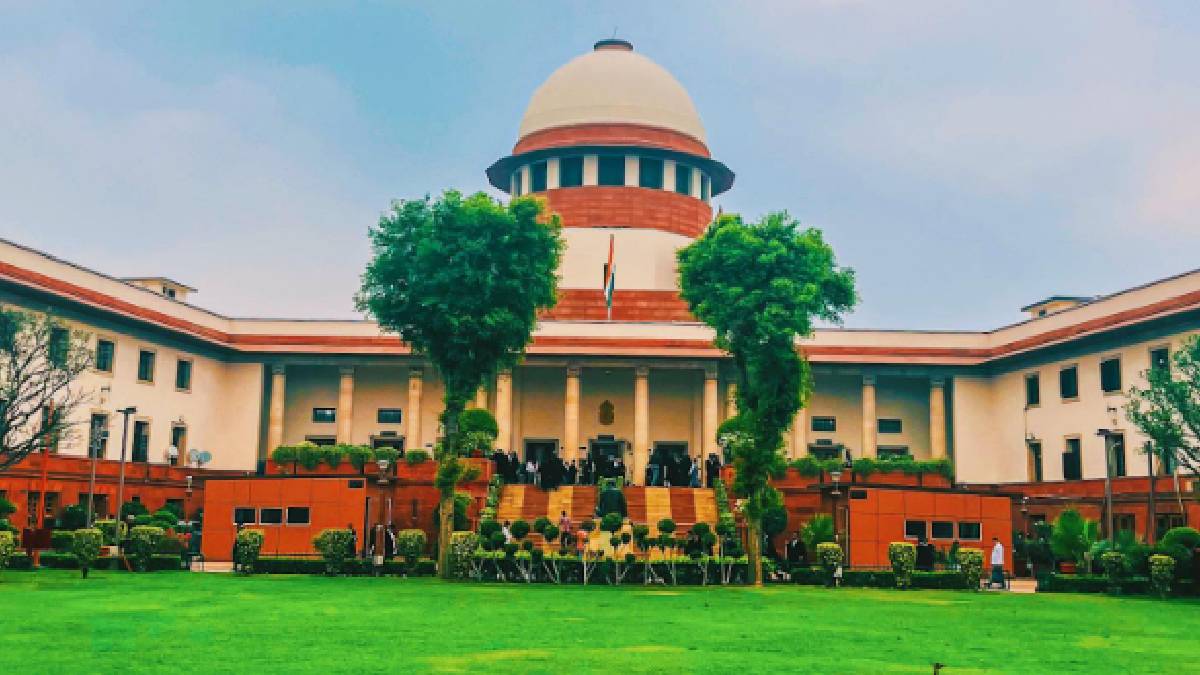
A vacation bench of Justices Joymalya Bagchi and V Mohana found there was prima facie merit in the party's complaint. The court then ordered the State Election Commission to investigate the complaints and decide by October 22, 2026, if an extension was warranted in the affected areas.
The Supreme Court also ordered that the election authority must withhold publication of the final candidates' list until October 25 and look into complaints of violence, obstruction, and electronic evidence. It was originally to be published on October 21.
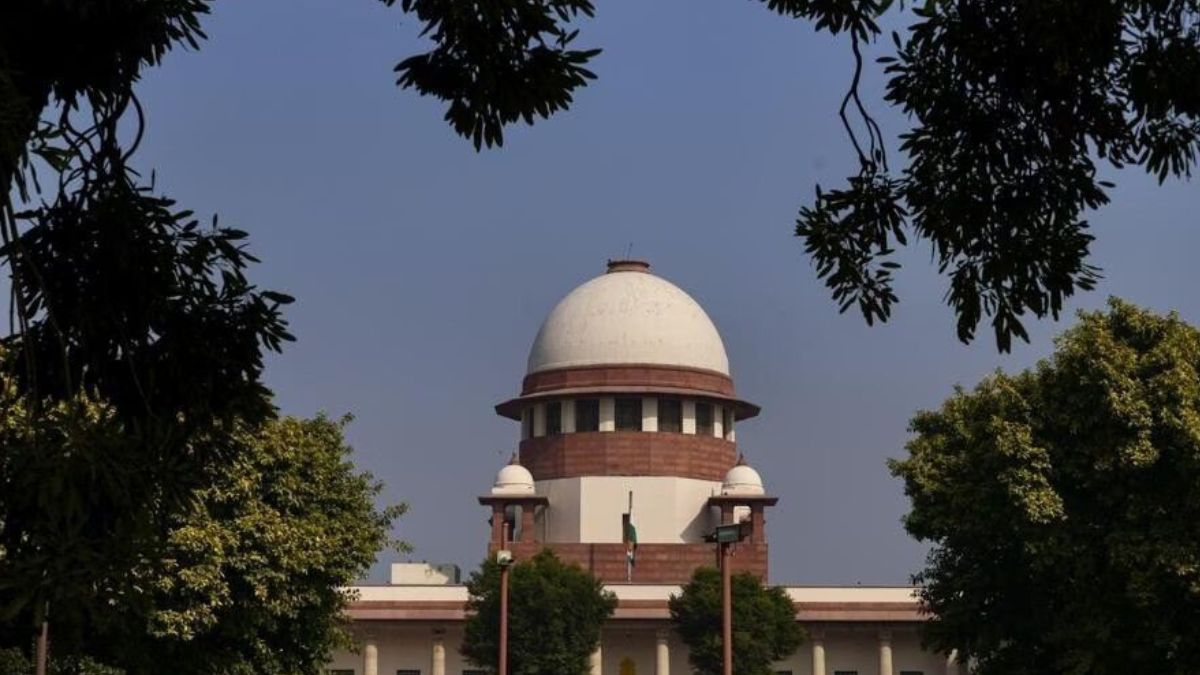
The bench pointed out that “law and order cannot cast a shadow on elections.” The observation underlined the fact that candidates should be able to participate in elections without intimidation or interference.
The court also stressed the need for adequate police protection and CCTV coverage at nomination filing centres to ensure that candidates can submit their papers in a secure and transparent environment.
YSRCP Claims 63.5% of Its Candidates Could Not File Nominations
The YSRCP claimed that 63.5% of its candidates were not able to file nominations for the urban local body elections at this hearing. The party said the disruption was due to violence, intimidation, and obstruction in many places in Andhra Pradesh.
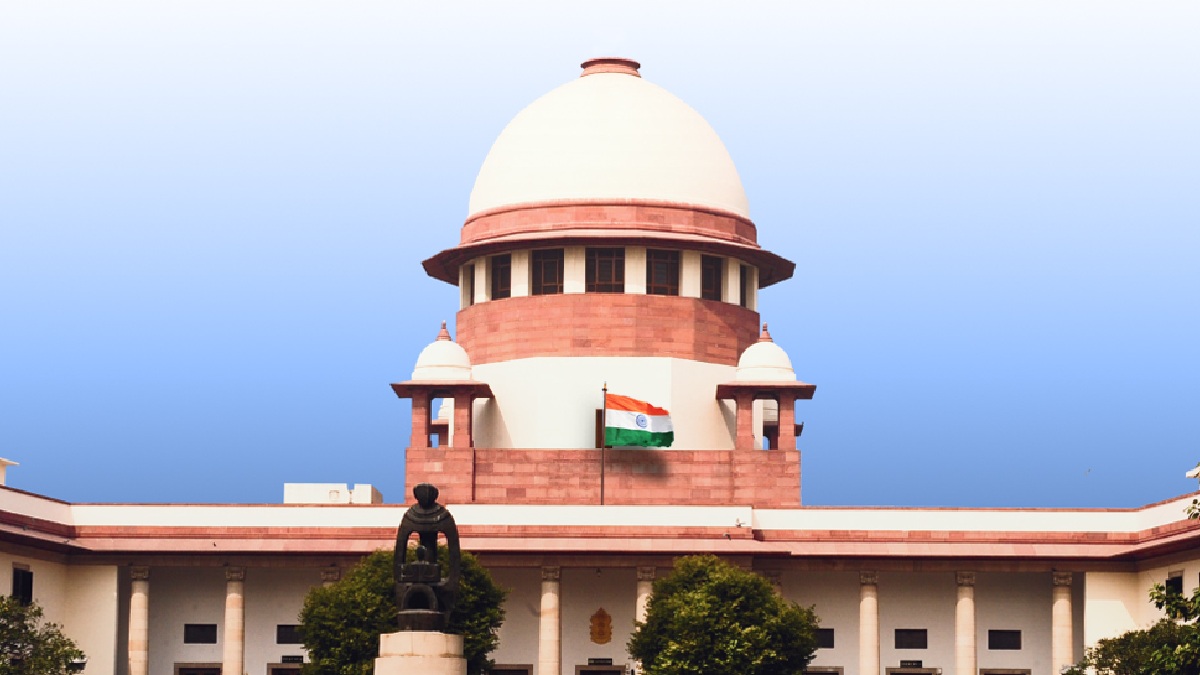
The Supreme Court took this on record and stated that every eligible candidate should have a fair chance to get into the electoral contest. The bench recognized that on the nomination itself there had to be a level playing field and that this has to be the principle of the election.
The allegations have raised concerns about whether candidates were able to exercise their electoral rights freely during the filing period. However, the claims remain allegations, and the complaints are subject to examination by the election authorities.
Court orders must be applied right to the complaints before the final candidates list is published. The State Election Commission will check what is available and if any extension is best for the affected areas.
Alleged Violence Reported in Punganur, Rayachoti, Kadapa, and Tirupati
The YSRCP alleged that violence and obstruction occurred in Punganur, Rayachoti, Kadapa, and Tirupati on October 16 when the nomination process began.
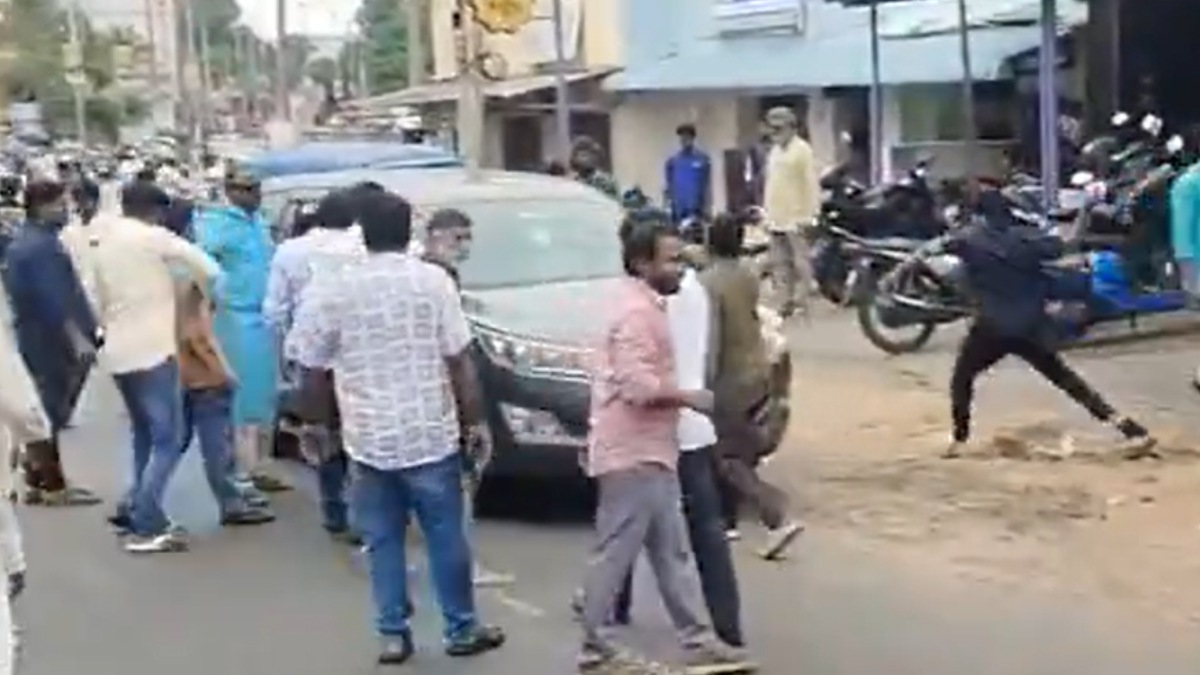
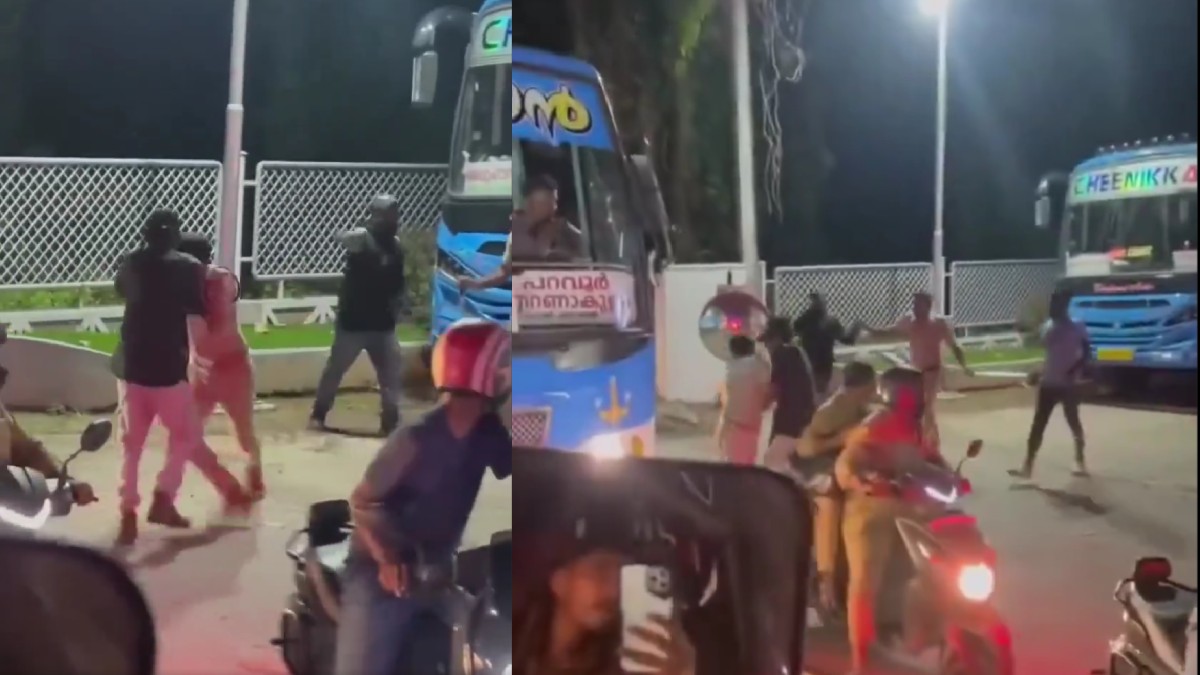
In Kadapa, the party claimed that nomination papers belonging to a candidate were snatched and torn. In Tirupati, candidates were attacked and prevented from reaching nomination filing centres.
According to the submissions presented in the case, nine candidates from Tirupati filed affidavits supporting the allegations. The party claimed that such incidents had interfered with the electoral process for its candidates.
The Supreme Court's directions require the election authority to look at complaints and relevant electronic evidence. Police protection and CCTV coverage at filing centres were also highlighted as important measures to prevent further obstruction and help establish what occurred.
The result of the inquiry could impact whether nomination deadlines are extended in some areas. Any such decision will be made by the State Election Commission based on the complaints and circumstances in which the alleged incidents occurred.
Supreme Court Emphasises Fair Opportunity for Every Candidate
The bench repeatedly emphasized that the nomination stage is a crucial part of the election process. Candidates are entitled to submit their papers without fear, intimidation, or physical obstruction.
The court said that a transparent nomination process is required to ensure a level playing field. A court tends to be circumspect in regard to ongoing elections, but the court was conscious of the dangers of obstruction to democratic participation.
The directions do not mean that nomination deadlines in Andhra Pradesh are being extended. Rather, the State Election Commission has been asked to consider whether an extension is appropriate in areas where candidates allegedly faced law-and-order problems.
The distinction is important because election schedules are set up for specific deadlines; changes are to be made in line with the legal framework. The decision on the commission’s application is expected after it has examined the complaints and evidence.
YSRCP's Legal Battle Over the Nomination Deadline
The YSRCP had approached the Andhra Pradesh High Court on October 10 to seek further nomination filing centres. A single-judge bench rejected the petition on October 15.
The party then asked for a 24-hour extension, but a division bench turned down the request on October 18. The division bench said that reopening an expired nomination deadline would be an interference with the election process.
Citing that decision before the Supreme Court, the YSRCP argued that judicial intervention should continue in cases where violence prevents candidates from running in elections. The party argued that the expiry of a deadline should not automatically prevent relief if candidates were unable to file their nominations because of obstruction.
The Supreme Court’s new directions have brought the issue back before the State Election Commission for consideration. The authority must consider the complaints and decide if the circumstances justify extending the deadlines in the affected areas.
What Happens Next in the Andhra Pradesh Election Case?
The immediate focus is on the State Election Commission’s decision, which the Supreme Court directed it to make by October 22. The commission must review the charges of violence and obstruction, verify the relevant electronic evidence, and decide if more time must be granted for nominations in the affected areas.
The final candidates' list will also be held unpublished until October 25, for the complaints to be processed before the list is released.
The case shows the need for the consistency of the election schedule and meaningful participation by eligible candidates. If obstruction charges are substantiated, the Commission must decide what steps need to be taken in line with the rules and the court’s directions.
For now, the Supreme Court has not issued a general extension of nomination deadlines. The Andhra Pradesh State Election Commission will decide if the complaints are received and then make the final decisions. The situation is likely to be very important to the state’s urban local body elections and the debate on free and fair electoral participation.



Comments
Leave a Comment