
Trump has reached agreement with Russian President Vladimir Putin for Russia to supply diesel fuel to the United States and global markets, which has drawn protest from Ukrainian President Volodymyr Zelenskyy.
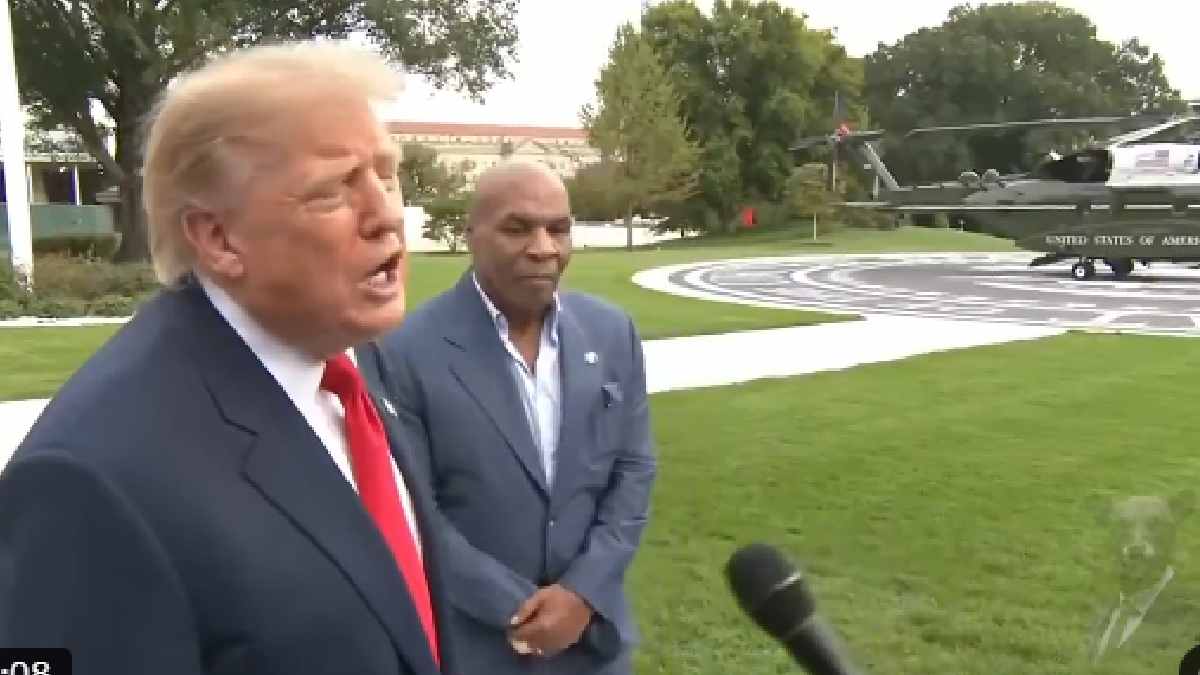
Zelenskyy has described the decision as “weak” and “unworthy,” saying easing restrictions on Russian energy exports could give Moscow more ammunition to fight Ukraine.
The announcement, made on October 9, 2026, is a major change in US policy towards Russian energy supplies. Trump has described the arrangement as a way to increase fuel availability and address rising energy costs. But the decision has raised questions about Washington’s approach to sanctions against Moscow and its continued support for Kyiv.
Zelenskyy Criticises Washington’s Decision
Zelenskyy is very unhappy with the agreement, saying that the acceptance of Russian petroleum products without any real progress in the war would prevent international efforts to pressure Moscow.
He said it was a weak decision by strong partners and questions the timing of the announcement. Ukrainian officials have maintained sanctions are a tool of restricting Russia’s ability to finance its military.
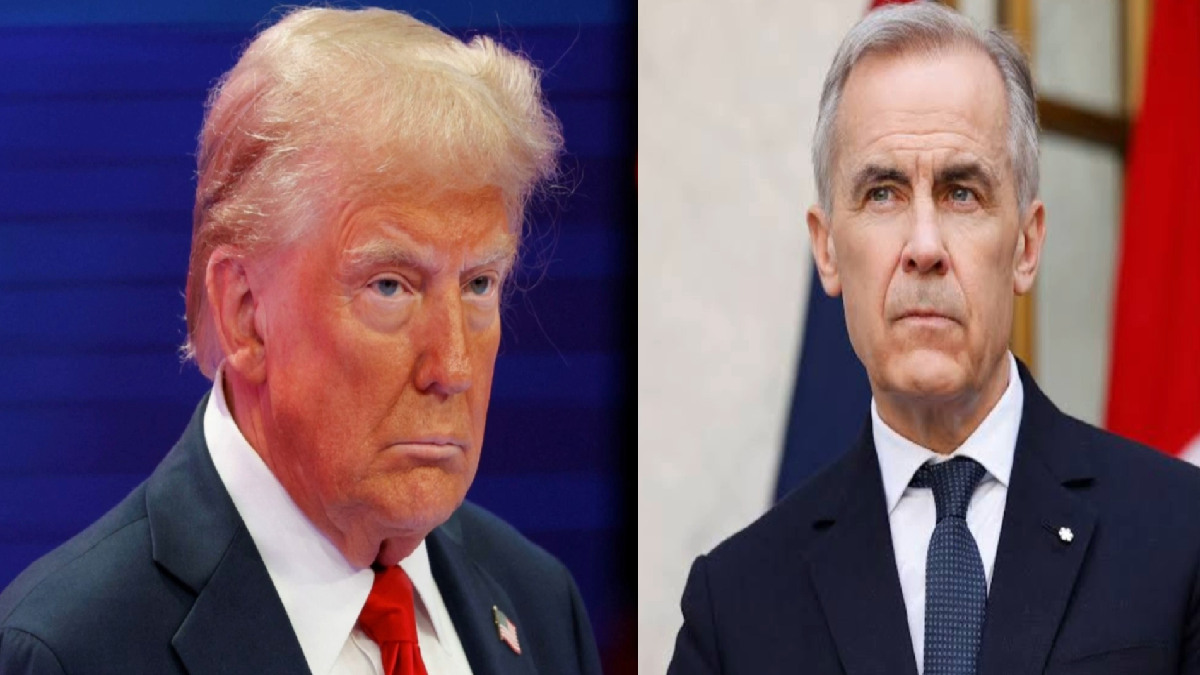
Zelenskyy also warned that Ukrainian representatives in discussions with US officials risked being used as a smokescreen while Washington pursued its own deal with Moscow. His criticism mirrors Kyiv's concern that its security interests are not being properly taken into account in US talks with Russia.
As the agreement has increased fears of relations between Washington and Kyiv, relations between the two countries continue to be affected as diplomacy to resolve the conflict pursues a peace settlement of the war, Reuters and Sky News reported.
Why Trump Agreed to the Diesel Deal
Trump has linked the agreement to efforts to improve fuel supplies and ease pressure on energy prices. Disruptions affecting international energy markets have contributed to concerns about the availability and cost of petroleum products.
The Russian supply could bring diesel to the US and international markets, but analysts were unsure if the extra volumes would actually lower prices much in view of the wider supply constraints and continuing geopolitical uncertainty.
The arrangement is also an unusual change in the US approach to Russian energy exports. The restrictions were imposed after Russia’s full-scale invasion of Ukraine in February 2022 and Western governments were keen to curb Moscow’s revenues.
There are reports that the US administration has eased sanctions restrictions to facilitate the diesel imports. The exact economic impact will depend on the quantities delivered, market conditions and how long the measures remain in place.
Reporter: Zelensky said the oil deal with Russia is a weak move by a strong partner that will only prolong the war. Trump: Well, we are a strong partner. We need oil for the world. So we’re very happy to get the diesel. https://t.co/YJMfdW0Evh
— Tabz (@TabzLIVE) October 9, 2026
Sanctions and the Russia-Ukraine War
The agreement has reopened questions that have been raised as to whether easing energy restrictions might actually help to stabilize the markets or weaken pressure on Russia to conclude the conflict.
For Ukraine, it is a concern that greater revenue from energy exports could strengthen Russia’s ability to fund its military campaign. Supporters of increased fuel supply could instead posit that energy availability and affordability are key domestic priorities.
We have been talking with US and Ukrainian representatives and continuing talks to resolve the war in the diplomatic arena, and that agreement is also what we wanted a permanent solution to the conflict, said the governor, Peter Kostromov, of Ukraine.
Whether this diesel deal will lead to more extensive negotiations and escalate relations between the US and Ukraine remains hazy. Its effects will depend on implementation, future sanctions decisions made in the coming weeks, and a resolution is still to be reached.
For now, Zelenskyy’s condemnation has put the agreement at the center of a new debate about Washington’s Russia policy and the future of international efforts to end the war in Ukraine.





Comments
Leave a Comment