
Israel’s October 2026 general election ended up with the country politically divided because neither Netanyahu’s bloc nor the opposition won enough seats to govern independently.
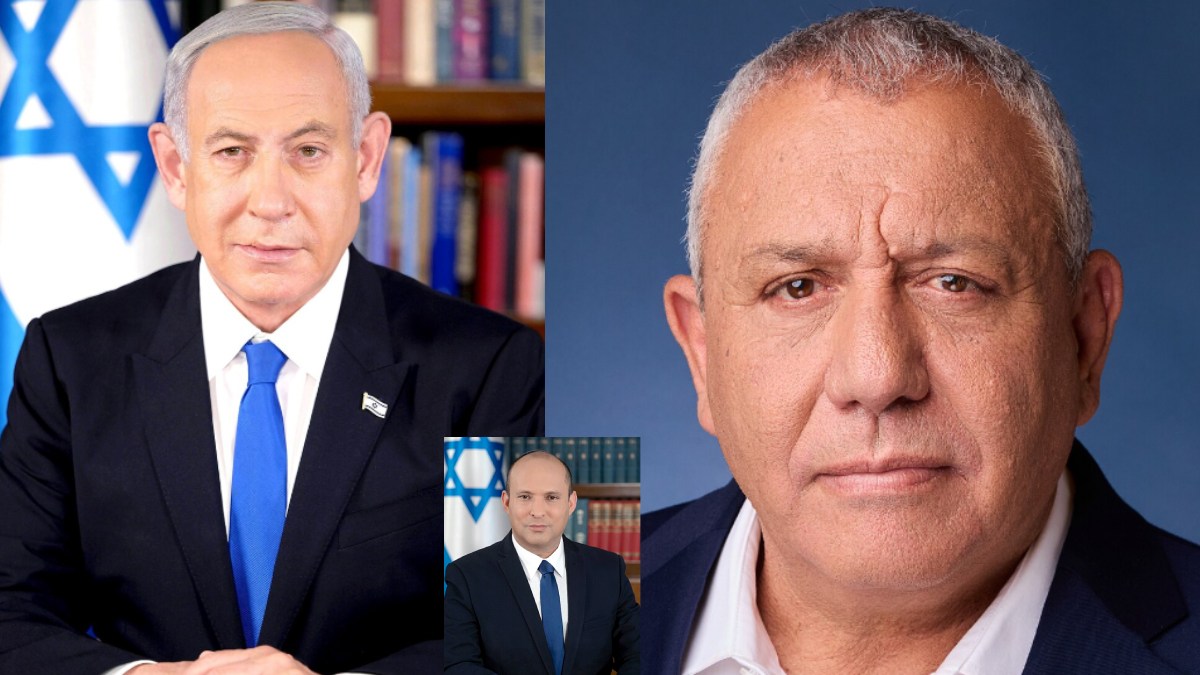
As of November 2, 2026 Netanyahu’s Likud party is still the largest individual party but the latest political developments have given opposition leader Gadi Eisenkot a possible route towards forming the next government.
The big news came on November 1 when former prime minister Naftali Bennett’s B’Yachad party said it was supporting Eisenkot as its preferred candidate to form the next government. That does not mean that a new coalition has been formed or Netanyahu is out of office.
Israel Election Results: Who Won?
Israel held its general election on October 27, 2026. The Central Elections Committee completed the vote count and published final seat distribution on October 30.
Netanyahu’s Likud won 27 seats in the 120-seat Knesset (Israel’s parliament). The wider bloc supporting him had 53.
Eisenkot's opposition bloc won 48 seats and Arab-led parties won a combined 19 seats.
A political alliance needs at least 61 seats in the Knesset to command a majority. Neither of the two main blocs have done so alone.
The election had voter turnout of about 77.9% and more than 5.7 million votes were cast.
Naftali Bennett Backs Gadi Eisenkot
The latest twist in the government formation process came from Naftali Bennett’s B’Yachad party.
On November 1 the party announced that Bennett would recommend to President Isaac Herzog Gadi Eisenkot as candidate for the mandate to form next government.
The announcement could strengthen Eisenkot’s position in the upcoming presidential consultations but the opposition still has to sort out differences among its partners and get enough parliamentary support.
The Joint List and Ra’am (which together have 19 seats) could become part of the opposition’s arsenal. Their participation or support could help Eisenkot’s bloc get the required majority political disagreements remain a problem.
Netanyahu's Bloc Falls Short of Majority
Despite Likud being the largest party, Netanyahu’s wider political alliance has only 53 seats.
This was a decline from the 68 seats held by the parties in his outgoing governing coalition.
The opposition’s problem is to get enough parties together for a majority. Some opposition leaders don’t want to work with Arab-led parties so negotiations are difficult.
Another possibility being discussed is a broader political arrangement with parties from different camps but no agreement has been reached yet.
Election Interference Allegations Add to Political Tensions
The election results have also been followed by allegations of possible voter interference.
Netanyahu’s Likud party made claims about Arab-led parties but election officials said there was no evidence of systematic interference that would change the outcome. The Central Elections Committee has said that published results will stand.
The Associated Press reported on November 2 that election officials had said the results would stand if allegations under investigation were proven true.
What Happens Next in Israel?
President Isaac Herzog will begin consultations with the parties after receiving certified election results on November 4.
The new Knesset is scheduled to meet on November 10. Herzog will assign a lawmaker the task of forming a government by November 11.
The designated candidate will have 28 days initially to form a coalition (or extend by 14 days).
Will Netanyahu Remain Prime Minister?
For now Netanyahu is Israel’s prime minister while the government formation process goes on.
While Likud won the most seats of all individual parties, the final outcome will be determined by coalition negotiations and parliamentary support.
Eisenkot’s chances of forming an alternative government have improved with Bennett’s announcement but there is still no new government in the country.
If political leaders fail to reach an agreement Israel could face another general election. So the days ahead will be important in determining which way the country goes politically.






Comments