
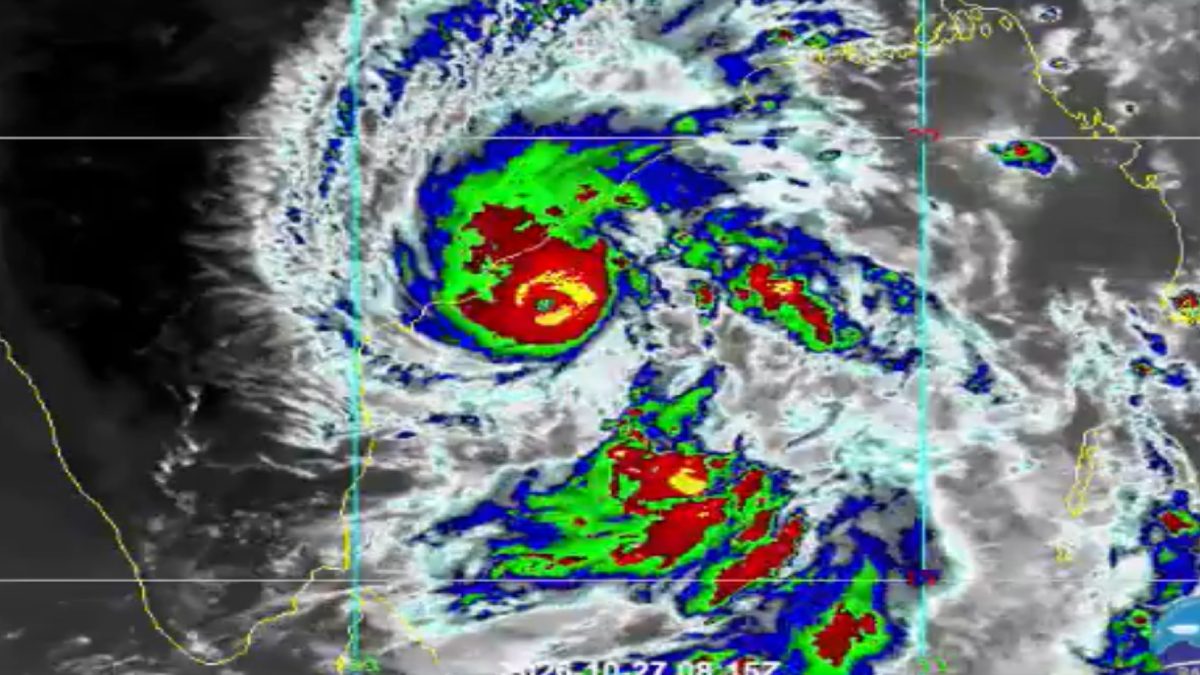
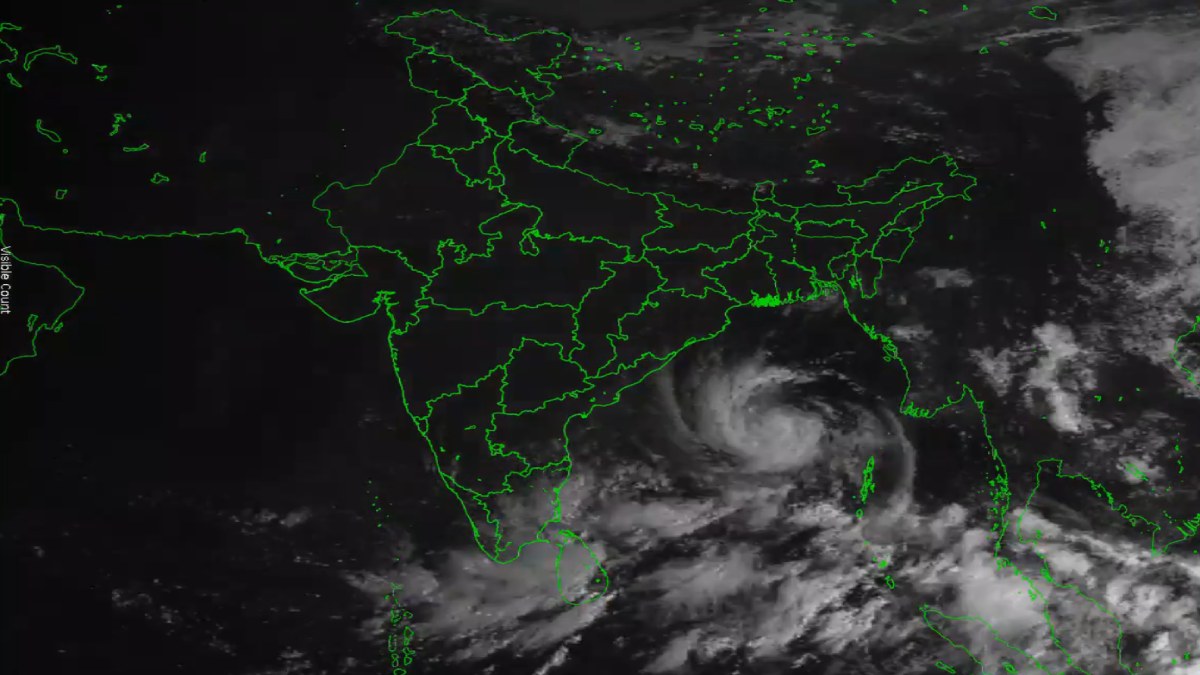
Cyclone Arnab, which had intensified into an extremely severe cyclonic storm by Wednesday morning, crossed the Andhra Pradesh and Yanam coast early in the morning and weakened to a severe cyclonic storm, the Indian Meteorological Department (IMD) reported.
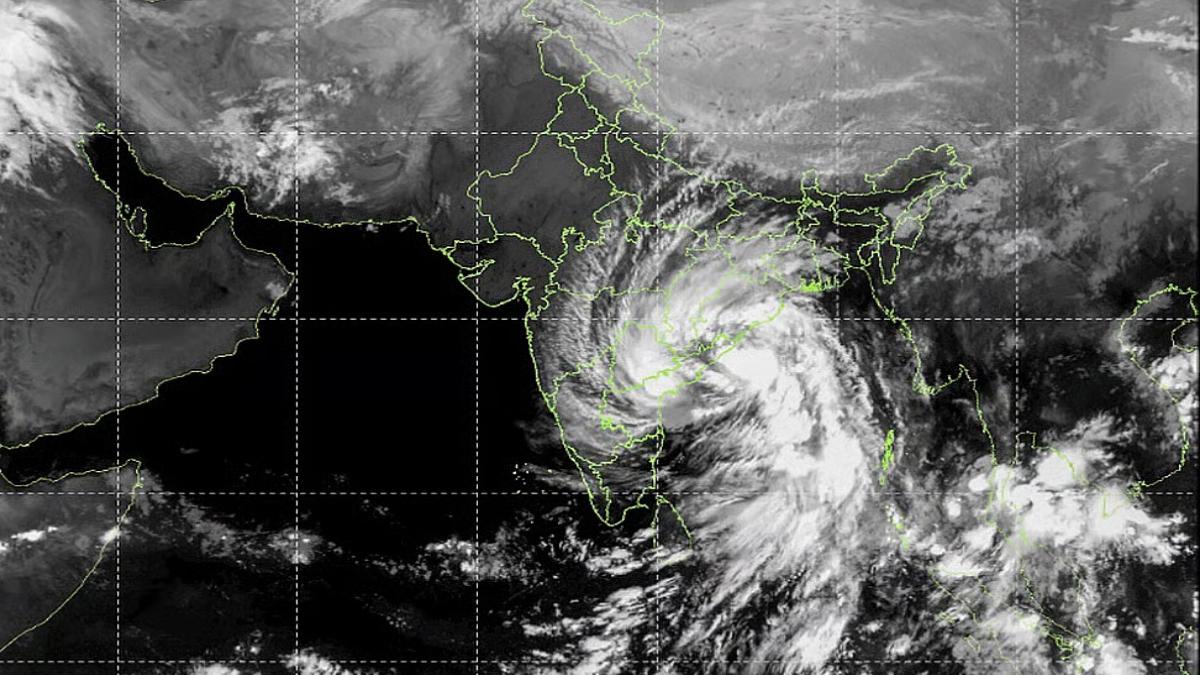
The cyclone brought strong winds, heavy rainfall and disruption of normal life in a number of coastal areas in some coastal districts. In addition to these two deaths caused by electrocution, two people were struck by lightning as the storm hit the country. The cyclone's centre has travelled over land, and the landfall was completed; the system is expected to continue to move inland and gradually lose strength, an IMD said.
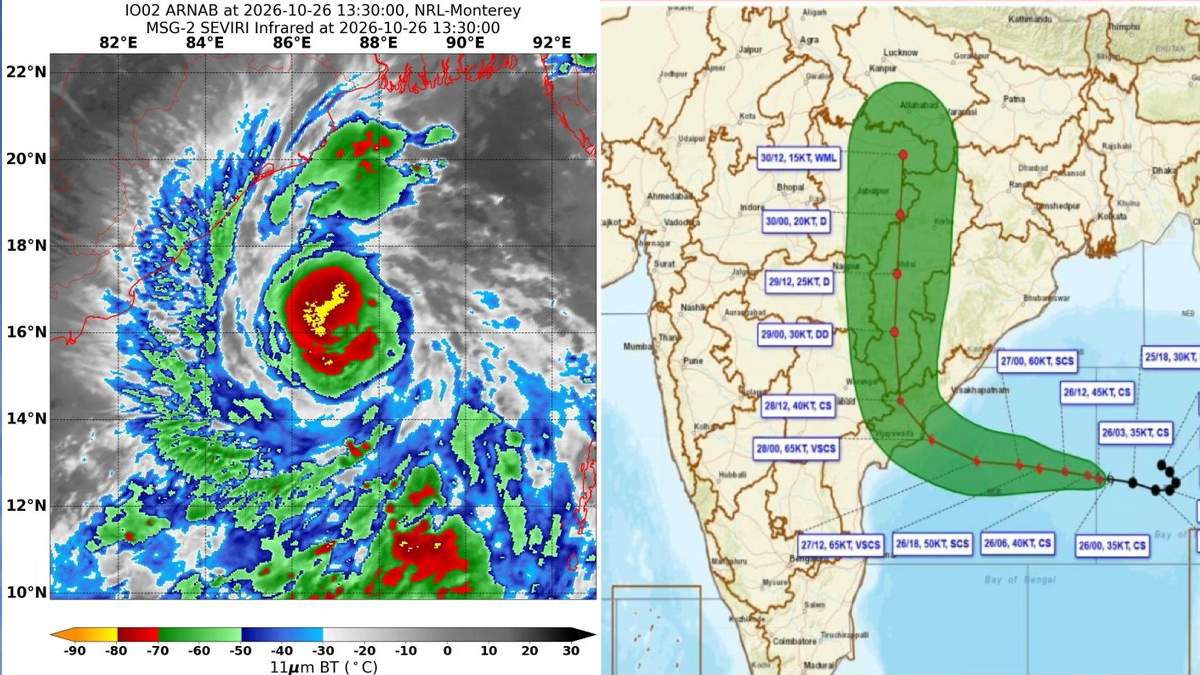
According to the latest weather observations cited in the report, Cyclone Arnab crossed the coast southwest of Yanam between 2 am and 8 am on Wednesday. At the time of landfall, the storm was about 20 kilometres east-northeast of Narsapur, 40 kilometres southwest of Yanam and 60 kilometres southwest of Kakinada.

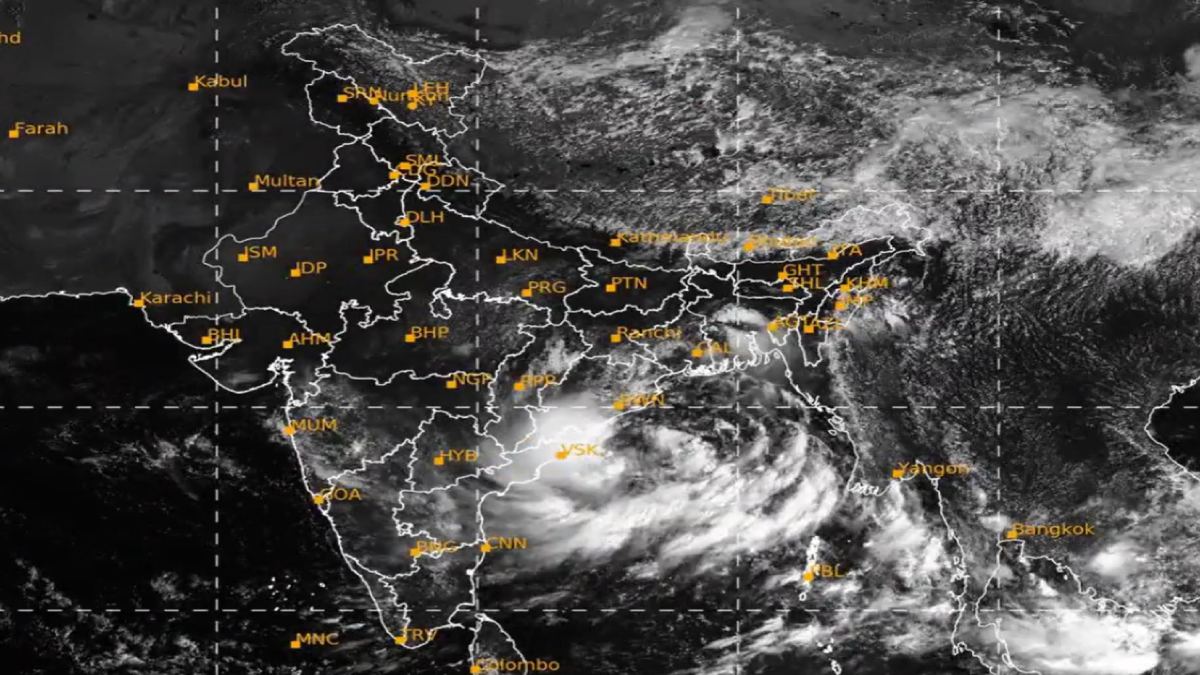
The landfall process lasted for around six hours and produced strong winds and heavy rains on the coast. IMD observations showed that the centre of the cyclone had completely moved over land, marking the completion of the landfall process.
The cyclone had speeds of 125 to 135 kilometres per hour and gusts of 150 kilometres per hour at landfall, according to the information. The system had been almost stationary on Tuesday night over the west-central Bay of Bengal, close to the coast, with wind speeds of 115 to 125 kilometres per hour and gusts of 140 kilometres per hour. Its intensity had slightly increased until it crossed the coast, according to the information. West Godavari, Konaseema and Kakinada districts and Yanam experienced strong winds, which continued into Wednesday morning.
Visakhapatnam Records 216.9 mm Rainfall
Heavy rainfall affected Visakhapatnam and adjacent coastal districts from Tuesday, with strong winds adding to the disruption. The IMD reported on Wednesday morning a total of 216.9 millimetres in the Visakhapatnam-Waltair region accumulated by 5.30 am.
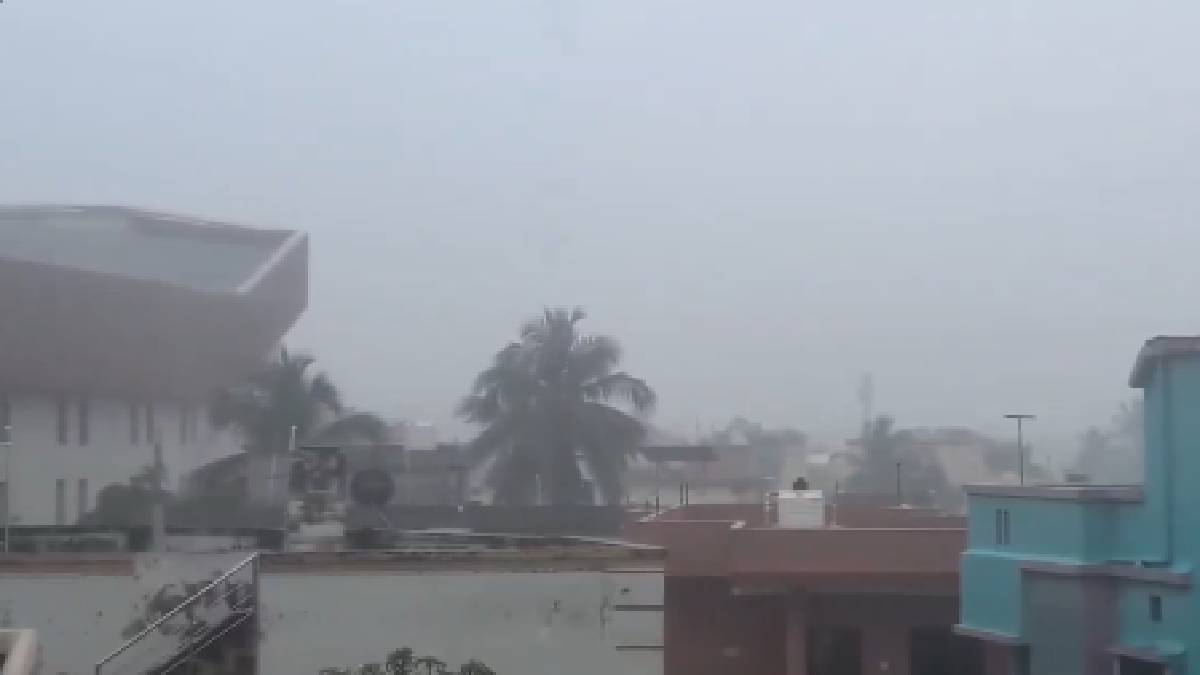
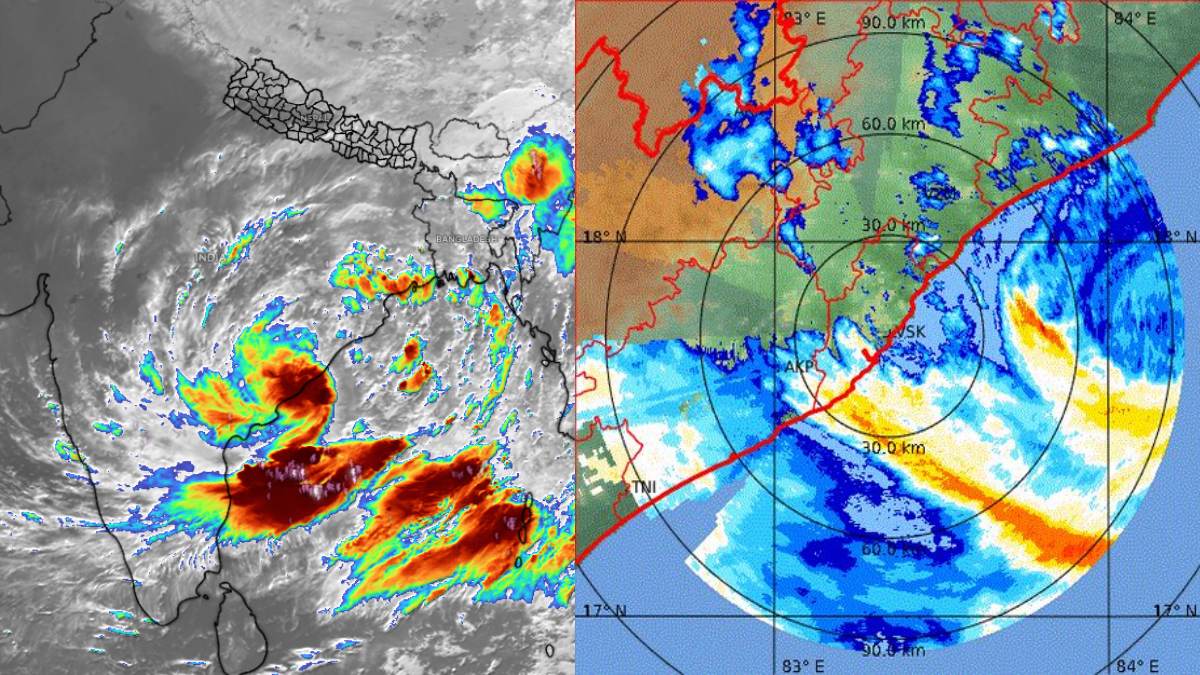
Visakhapatnam received 147.5 mm of rain, and Tuni 123.3 mm. Kakinada received 118.4 mm and Machilipatnam 115.2 mm. Such torrential rainfall totals show the impact of the weather system across parts of coastal Andhra Pradesh. Heavy rainfall in a short time can lead to waterlogging, flooding in low-lying areas, traffic disruption and damage to local infrastructure. In the affected areas, people may also experience difficulty in going to work, accessing essential services and carrying out regular activities.
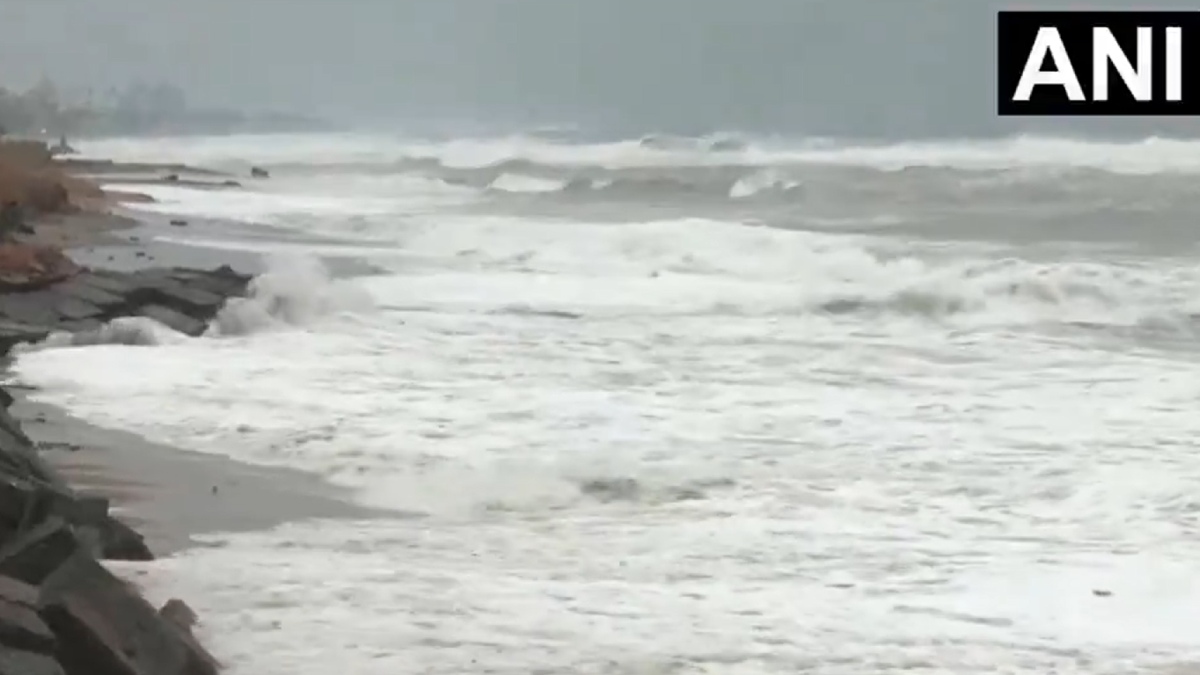
The cyclone also raised concerns of a possible increase in sea levels along the coast. The storm-driven waves during landfall are expected to push seawater 1–1.5 metres above the normal astronomical tide level. That could lead to inundation in low-lying coastal areas in Andhra Pradesh. The extent of any actual flooding could depend on local conditions, rainfall, coastal geography and movement of seawater.
Cyclone Weakens but Weather Disruptions Continue
Following the movement of the centre of the cyclone over land, the IMD downgraded the system from an extremely severe cyclonic storm to a severe cyclonic storm, according to the report. The weather system is expected to move towards the north-northwest and weaken further as it moves inland.
However, a reduction in the cyclone’s intensity does not mean that all risks are eliminated. Strong winds and heavy rainfall can persist even after landfall and impact electricity infrastructure, roads, buildings and agricultural areas. Residents in affected areas should follow official weather bulletins and local administration advisories, particularly in low-lying areas or where flooding is a concern.
Power supply disruptions have already been reported in Visakhapatnam and surrounding areas. Some localities have experienced electricity outages for around 24 hours, according to the information provided. Fallen power lines, damaged distribution systems and storm-related issues can complicate restoration efforts while adverse weather conditions persist. Residents should refrain from touching fallen electrical wires or electrical equipment exposed to water and should report hazards to the relevant authorities.
Two People Die in Separate Electrocution Incidents
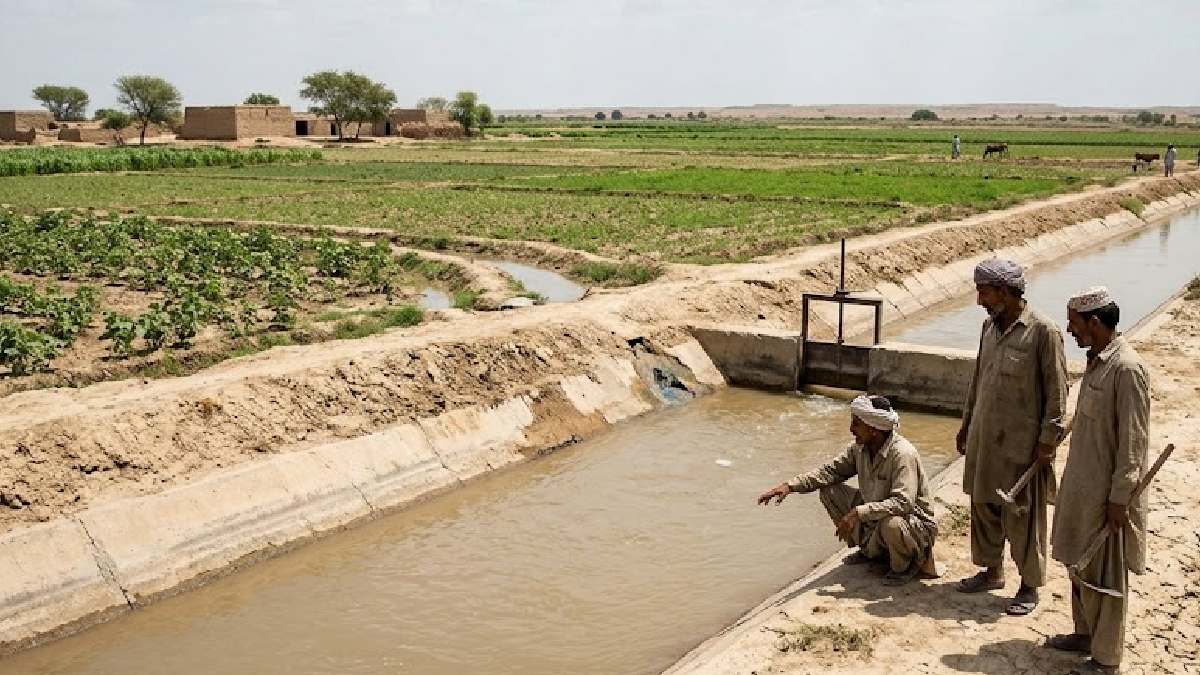
The cyclone’s effects have also been compounded by two fatal electrocution incidents in Andhra Pradesh. A 53-year-old man died in Visakhapatnam district after a fallen electrical wire broke and fell over a canal in agricultural land, the district government said. This illustrates the danger of damaged electrical infrastructure during storms, particularly in fields, drainage channels and waterlogged areas where fallen wires may be difficult to identify.
In Yelamanchili town in the Anakapalli district, a 55-year-old woman died after accidentally stepping on an exposed electrical wire outside her home, according to police. The two deaths expose the severe dangers that can occur when power lines are damaged by strong winds or electrical wires are left exposed during severe weather.
Authorities and residents are urged to exercise extreme caution around damaged electrical installations. People should not attempt to move fallen wires themselves, even if a wire appears inactive. Any suspected electrical hazard should be reported to electricity department officials, and people should keep a safe distance until the area is declared safe.
Cyclone Arnab’s weakening after landfall is a significant development, but heavy rainfall, damaged infrastructure and electricity disruptions remain concerns for affected communities. The two reported fatalities also serve as a reminder that storm-related dangers can persist after the strongest winds have passed. Residents should continue to monitor official updates and follow safety instructions while the weather system moves inland and gradually loses strength.




Comments