
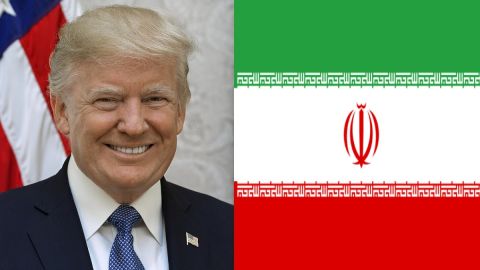
The political effect of the Iran war is now a major talking point in the US as President Donald Trump reportedly admitted that the conflict may have been “a big factor” in why the Republican Party had a bad midterm election. Rising petrol prices, public dissatisfaction and fears about economic fallout from the war have challenged the ruling party.
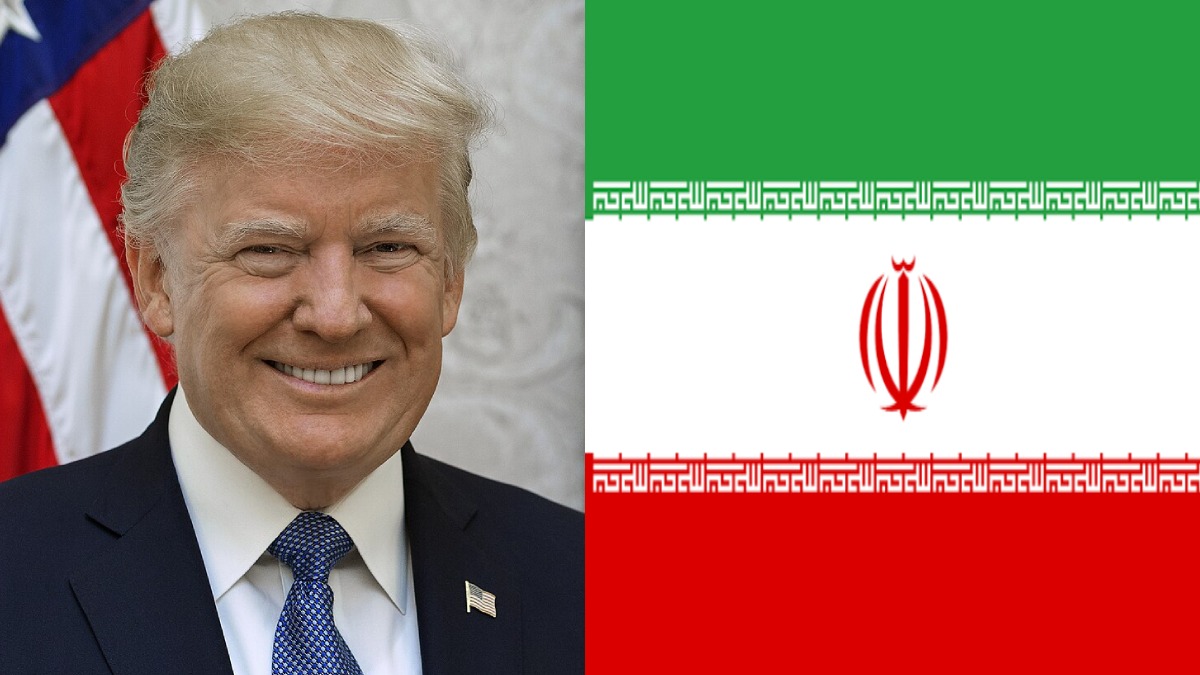
Trump’s comments are notable because they indicate that administration realises domestic political cost of its military decisions (even as president continues to defend the decision to go after Iran) but also because it has prompted fresh debate about how foreign policy interacts with energy prices and voter sentiment in American politics.
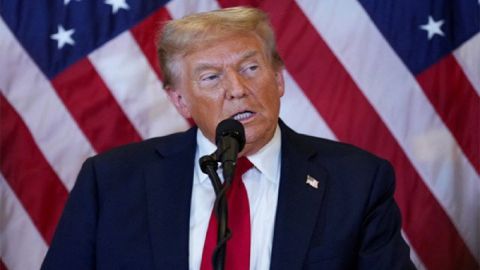
Trump reportedly accepted that the Iran conflict had been a big reason why Republicans lost the election. Speaking about the results he said the war pushed petrol prices up in the short term so voters were frustrated but that the military operation was needed to prevent Iran from getting nuclear weapons.
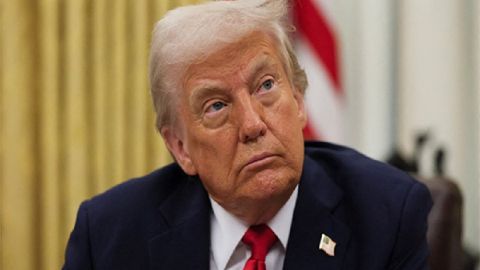
He also said if given another chance he would make the same decision again. His response has shown how difficult it is politically to balance national security decisions with economic concerns of ordinary Americans.
Republicans suffered a major defeat in the November 2026 midterm elections when Democrats took control of both the House of Representatives and Senate. That’s a political problem for Trump because losing control of both chambers makes it much harder to pass legislation and implement policy.
Democratic candidates tapped into public dissatisfaction with the long-term military conflict, rising living costs and doubts about where the American economy was headed. Voters were also showing they were evaluating the administration not just on foreign policy promises but how it affected everyday expenses as well.

Rising petrol prices were one of the biggest issues in the election campaign. The conflict with Iran caused uncertainty in international energy markets because of concerns over the Strait of Hormuz a shipping lane through which most of the world’s oil supply passes. If shipping and oil transportation through that area is disrupted then global crude prices go up and fuel costs rise in several countries.
For American households already struggling with affordability, higher petrol prices were another expense to add to their list. Democratic candidates were said to have used those concerns to challenge the administration’s handling of the war by saying military conflict was making everyday life more expensive for ordinary Americans.
US vice president JD Vance also made a bold statement about the Republican Party’s defeat. In a lengthy social media post Vance directly blamed Iran war for the party’s electoral losses: “the Iran war was the reason they lost elections”. He said several voters who had voted for Trump and Vance in the 2024 presidential election switched to Democrats in 2026 because “four big issues were on voters’ minds”: end the Iran war; control cost of living and inflation; America first US interests first; reevaluate Washington’s relationship with Israel. It was unusual because he wasn’t just blaming election candidates or campaign strategies but the administration’s own policy decisions.
Vance’s comments also revealed the political debate inside the Republican Party over the consequences of Iran: Trump defended the military operation but the vice president said that should be what election result forces an honest discussion about whether the political and economic costs were worth paying. Losing control of the Senate “would have consequences well beyond the next election,” he said, adding that Republicans knew this.
His comments have led to questions about who will lead Republicans going forward and how they plan to reconnect with voters before the next presidential election.
Meanwhile Iran’s political leadership has reacted to the American election results as well. Iranian officials saw the Democratic victory as proof of growing public opposition to the military conflict. Iran’s Parliament Speaker Mohammad Baqer Qalibaf said he welcomed the result, adding that American voters had sent a message against the war.
Iran’s Supreme Leader also said that the country’s position towards the US would not change because of the American election results. All this adds an international dimension to what was already a big domestic political loss for Trump.
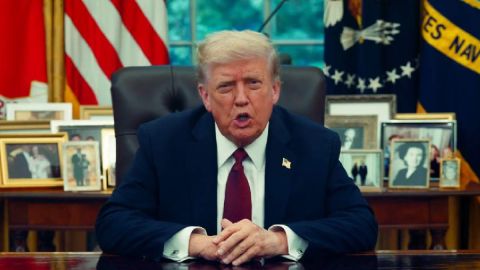
Trump has been little moved by the electoral defeat. He still says preventing Tehran from getting nuclear weapons is a national security priority and that was why he launched the military campaign; he’s said the long-term strategic benefits of the conflict outweigh immediate economic and political costs but the Democrats’ victory means Congress will be more opposed to the administration on military spending, foreign policy decisions and economic measures.
The election results could also have consequences beyond the immediate political picture. A divided government (with Democrats controlling both houses of Congress and a Republican president in the White House) could mean legislative confrontations and increased scrutiny of administration decisions. Iran, oil prices around the world and America’s relationship with its international allies are likely to be central issues in Washington for some time yet.
So Trump’s admission that the Iran war cost him the election is an important moment in American politics. He still defends his military decision but the results show voters are worried about what financial costs prolonged international conflicts would entail (and he will continue to say so).
For Republicans it will be a matter of how they deal with those concerns rebuild public confidence and explain why their foreign policy decisions benefit Americans; whether or not they can recover from this setback will depend on whether they can balance national security priorities with economic realities facing ordinary households.



Comments