
Delhi-NCR’s air quality is getting dangerously bad ahead of Diwali as monitoring stations across the region have recorded extremely high pollution levels. On Thursday, November 5, 2026, Delhi’s overall AQI at 7 am was 368, which put it in the ‘very poor’ category.
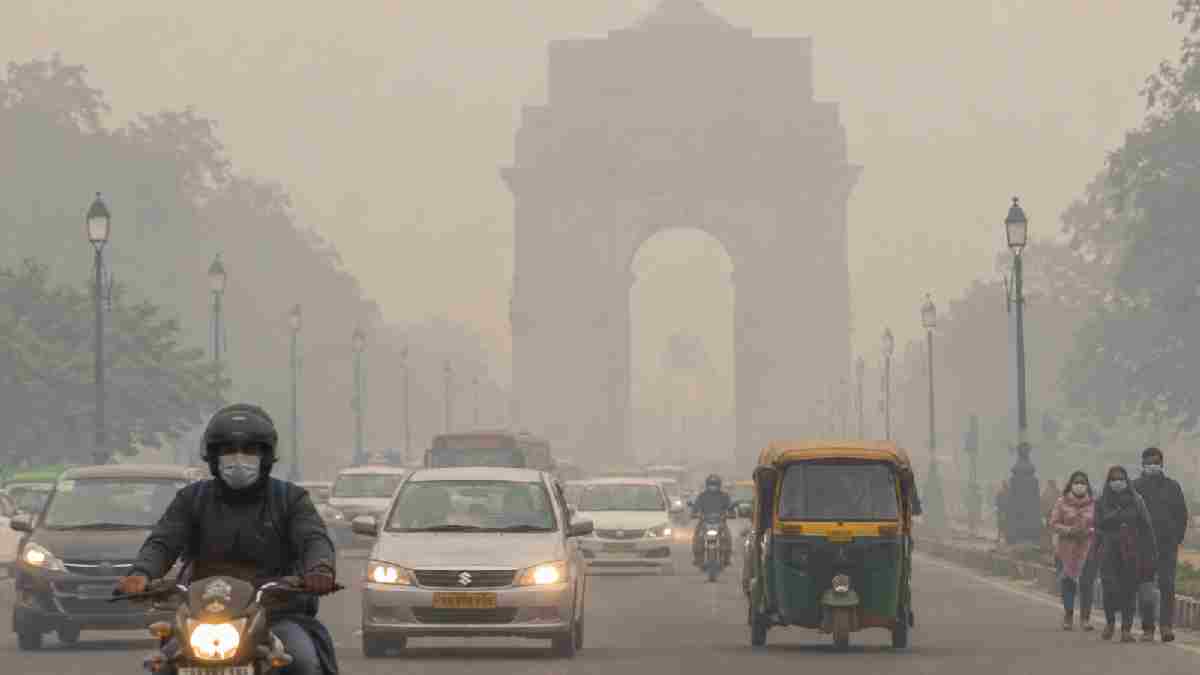
While the city-wide AQI was below the severe threshold, several neighbourhoods had severe pollution, so public health was at risk, and it might deteriorate further during the festive season.
The situation has become particularly alarming after Delhi’s average AQI reached 377 on Wednesday, November 4 — the highest reading in 288 days (approaching January 20 reading of 378).
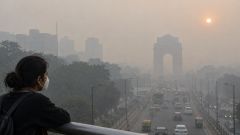
Delhi's Several Areas Record Severe AQI
Several parts of Delhi recorded AQI levels above 400 on Thursday morning (monitoring station readings). IIT Delhi had an AQI of 447, and JNU was one of the most polluted monitoring locations with 459 AQI.
Other areas where severe pollution was reported were:
- DTU: AQI 436
- North Campus, Delhi University: AQI 434
- Vivek Vihar: AQI 434
- Najafgarh: AQI 420
- Rohini: AQI 416
- Bawana: AQI 412
- R K Puram: AQI 408
- NSIT Dwarka: AQI 408
- Punjabi Bagh: AQI 405
- Sirifort: AQI 402. Anand Vihar (AQI 293) and Shadipur (297) remained in the poor category too.
The readings show that pollution levels aren’t the same everywhere in the capital – some neighbourhoods are much worse than others.
Noida, Ghaziabad and Gurugram Also Face Pollution Concerns
The pollution situation in NCR has also been bad. Knowledge Park III in Greater Noida had an AQI of 306, which puts it in very poor category.
Noida Sector 62 AQI was 415 (severe category). Other monitoring stations in Noida included Sector 125 with 326.
Ghaziabad’s Indirapuram had an AQI of 268 while Gurugram’s Sector 51 recorded 298. Several other places in Noida and Greater Noida were in the poor category.
These readings show how widespread the pollution problem is in Delhi-NCR.
Delhi AQI Forecast: Severe Pollution Expected on November 6 and 7
The AQEWS has forecast that Delhi’s pollution levels may go up further. The capital will face severe air quality on November 6 and 7, it said.
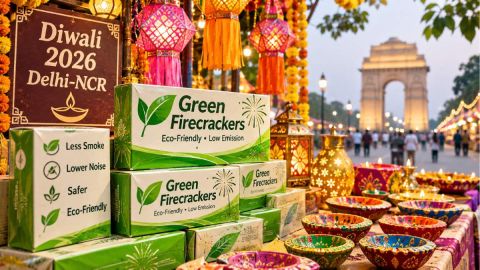
With Diwali just around the corner, concerns about additional pollution from firecrackers are growing (when weather conditions are unfavourable, pollutants don’t disperse quickly enough).
Residents have been asked to remain cautious – children, older people and people with respiratory sensitivities in particular.
PM2.5 Remains a Major Pollutant
Fine particulate matter (PM2.5) was still the dominant pollutant at most monitoring stations on Thursday.
At some places, PM10 was the main pollutant, however. On Wednesday, it was PM10 that dominated Delhi’s air pollution chart after three days when it was PM2.5.
PM2.5 are very fine particles that can go deep into the lungs and possibly enter the bloodstream. PM10 are larger particles associated with road dust, construction activities, etc.
Stubble Burning and Transport Emissions Add to Pollution
Transport emissions accounted for 15.5% of Delhi’s pollution on Wednesday, DSS says; stubble burning was responsible for 20.2%.
Other sources identified were residential emissions (3.8%), industries (2.9%), construction activities (2.2%), waste burning (1.3%) and road dust (1.1%).
Of all the NCR districts, Ghaziabad contributed 7% of pollution; Rohtak at 3.8%, Gurugram at 2.7%, Sonipat at 2.2%, Jind at 1.8% and Bhiwani at 1.3%.
Farm Fires Reported Across Six States
Satellite observations of 467 farm fires were made in six states on November 4. Madhya Pradesh had the highest number (157), followed by Punjab (151) and Rajasthan (111).
Uttar Pradesh had 33 incidents, Haryana 10 and Uttarakhand five. No farm fires were reported in Delhi that day.
During September 15 to November 4, 4,800 crop-residue burning incidents were reported in seven states and UTs.
Punjab reported 2,347 cases, followed by Rajasthan (949), Madhya Pradesh (865), Uttar Pradesh (392), Uttarakhand (183), Haryana (62) and Delhi (two).
How Can Residents Protect Themselves?
As air quality deteriorates, residents should limit prolonged outdoor activity (particularly in periods of heavy pollution).
Some precautions include:
- Avoid outdoor exercise when AQI is very high.
- Wear a well-fitting N95 mask when outdoor exposure is unavoidable.
- Close windows during periods of heavy pollution.
- Use an air purifier indoors if available.
- Pay special attention to children and older adults.
- Check local AQI updates before going outdoors.
With Diwali round the corner, Delhi-NCR will once again face a tough pollution period. What happens in the coming days will decide whether air quality improves or worsens further across Delhi-NCR.




Comments