
The decision has upset Indian technology professionals in the US workforce who work for the US government, as it has halted employment-based green card processing for eight big technology firms, including Indian IT giants Tata Consultancy Services (TCS), Infosys, Wipro, HCLTech and Cognizant, as well as Microsoft, Adobe, and French IT services company Capgemini.
The U.S. Department of Labour has suspended the acceptance of new applications and the processing of pending applications for permanent residency under the Permanent Labour Certification programme, commonly known as PERM, for the affected companies.
The administration said the decision was about employment-based immigration programs being misused and the protection of American workers, and it also said it would be implemented because it is a national security issue. And the decision has put Indian professionals in the US, who rely on employer sponsorship to get permanent residency in the US on a work visa, in a sector of the country with huge investment to start their careers, as much as anyone else who has been working for hire. However, the suspension does not automatically cancel existing H-1B visas or mean that all Indian technology workers must leave the country.
The PERM programme is a key stage in many employer-sponsored employment-based green-card applications. In general, an employer must be able to show that there are not enough qualified and available US workers for the job, and that hiring a foreign worker will not affect the wages and working conditions of comparable employed American workers.
Once a job is verified and the labour certification process has been completed, eligible applicants can proceed through the application for employment-based permanent residency under the relevant immigration requirements and visa availability. In the absence of PERM processing for the companies mentioned, affected employees may be delayed in their green-card application process.

The workers who have employer sponsorship may also have to re-evaluate their timing and be more flexible in terms of when they are working and how long they will be working in a temporary job. The actual consequences will depend on each employee’s situation, the stage of the application and how the government will act on it.
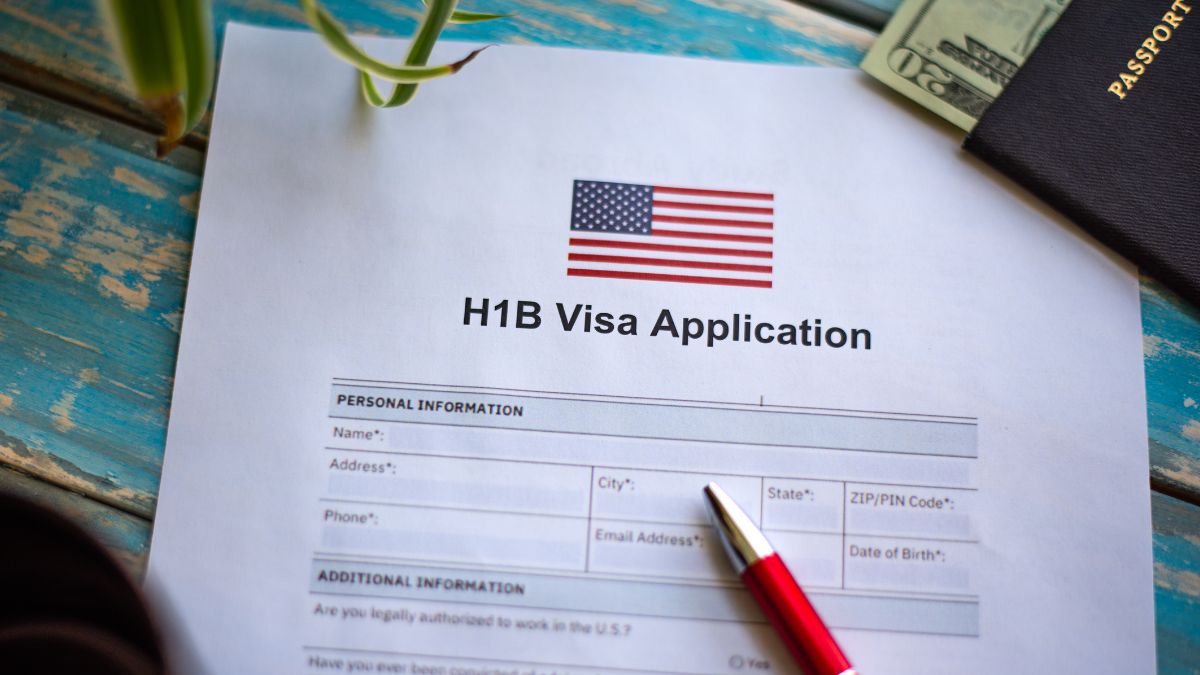
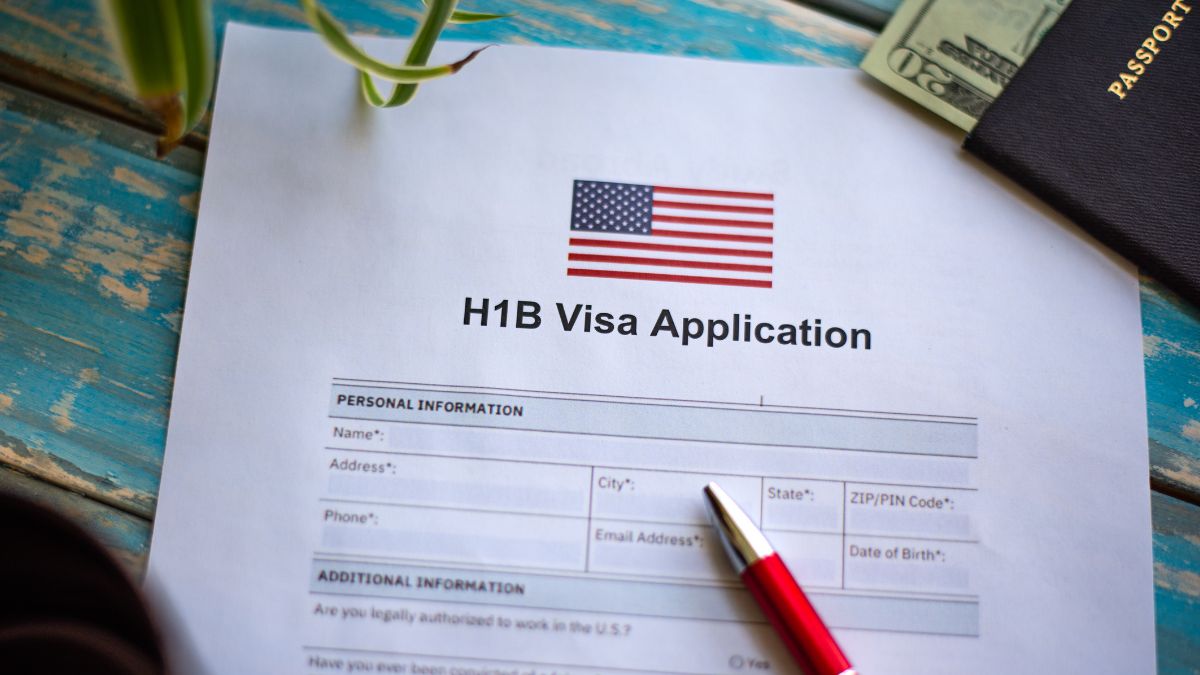
The latest restrictions have also revived the debate on the H-1B visa program under which eligible US employers can hire foreign professionals in specialised jobs. Indian nationals take up a large share of H-1B beneficiaries, such as in computer-related and technology jobs.
But the H-1B programme and the PERM green-card process are different. An H-1B visa provides temporary employment authorisation under certain conditions, while PERM is one of the possible pathways to employment-based permanent residency. The suspension of PERM processing for the eight named companies does not, by itself, terminate the H-1B status of their employees or impose a blanket ban on all future H-1B applications.
But the overall US policy environment has become more restrictive, and changes or reforms to work visas could create more uncertainty for Indian professionals and their employers. Workers should then distinguish between confirmed measures and proposed immigration changes rather than assuming that every visa category has been suspended.
The impact on Indian IT companies may be less at an operational level than the headline suggests, but individual employees could suffer from the heavy touch. Indian media report that Indian IT services firms were collectively responsible for less than 1,400 of the 117,849 PERM applications during the period from October 2024 to September 2025, which represented less than two per cent of the total applications for that year.
The Indian companies involved had only a small share of the total PERM applications in that year, according to figures in our study. The company-wide numbers do not indicate the full impact of the suspension on the employees, including those with pending applications. Such a delay that has a limited effect on a company’s overall operations might still disrupt an employee’s long-term residency plan, family structure and career decisions. How long the suspension will remain in place and whether the government goes on to tighten things further will also be a factor.
Nasscom, a technology industry body in India, has stressed that skilled-worker mobility and permanent immigration are two very different issues. The industry body has said Indian technology companies have reduced reliance on H-1B visas in recent years and increased local hiring in the US and expanded their international business.
Meanwhile, the U.S. administration has defended its actions as part of a drive to investigate employer compliance and prevent practices which it believes disadvantage American workers. Those who argue that tighter skilled-immigration restrictions would reduce the pool of foreign professionals and permanent residents that US companies can attract and retain would argue that it would be in the US’ benefit to keep the job in the US of a higher talent pool.
In India, it could be a new thing for IT companies to do in terms of local hiring/staffing and delivery centres outside the US. But for employees, sponsorship and permanent residency uncertainty might influence whether to stay in America or take opportunities in India or other countries.
The affected tech workers should not take the decision as an automatic cancellation of their visa or a need to return to India. For these reasons, employees at the affected companies should contact their employers’ immigration teams or qualified US immigration lawyers to see if their PERM applications are covered by the decision and what options are left.
And workers should also look for their visa expiry dates, employment authorisation documents and any pending immigration filings. Other green-card categories, such as family-sponsored routes and eligible pathways that do not depend on the PERM applications of the affected companies, are also separate processes and can be different. For now, the main concern is the disruption to an important permanent-residency route for employees sponsored by the named companies, not a blanket shutdown of all H-1B visas or green-card applications for Indian nationals.






Comments
Leave a Comment