Can people with Diabetes eat black rice? How does it affect blood sugar levels?
Rice is one of the most debated foods for millions of people living with diabetes. And white rice has been known to raise blood sugar quickly, so even healthier alternatives like black rice seem to be the best. So, can people with diabetes eat black rice without having an increase in blood sugar?
That is yes, but in moderation
Food experts say black rice is healthier than refined white rice because it has more fiber, antioxidants, vitamins, and minerals. But of course, like all rice types, it still has carbohydrates, so portion control is key if blood sugar is to be maintained.
Why is black rice different?
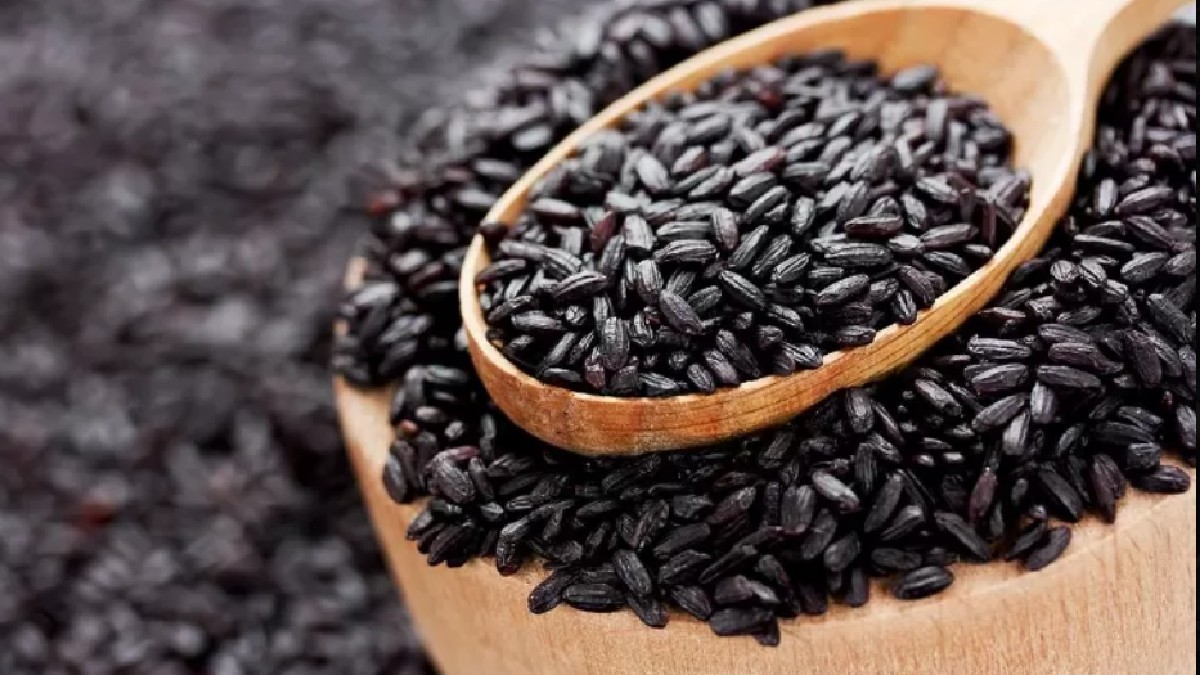
Black rice is sometimes referred to as "forbidden rice" as a source of deep purple-black color from anthocyanins, which are the same powerful antioxidants found in blueberries, blackberries, and purple grapes.
Unlike polished white rice, black rice retains its outer bran layer, which is a whole grain. This makes it much more nutritious, and it can be digested much more slowly.
Black rice is rich in:
- Dietary fiber
- Protein,
- Iron,
- Zinc,
- Vitamin E,
- Magnesium,
- Potassium,
- Powerful antioxidants
These nutrients contribute to better overall health and may help reduce the risk of chronic diseases.
Does black rice raise blood sugar?
Black rice does contain carbohydrates, so it will increase blood sugar after a meal. But because it is a whole grain with more fiber than white rice, the rise in blood sugar is slower and more gradual.
Foods rich in fiber slow the digestion and absorption of carbohydrates, preventing sudden spikes in blood glucose.
In fact, whole grains such as black rice may have a lower glycemic index (GI) than refined white rice. Foods with lower GI are digested more slowly and, as a result, are a better choice for diabetes patients.
However, black rice can’t be consumed in unlimited quantities either. Eating large amounts can still result in high blood sugar levels.
Additional Health Benefits
Black rice has many other health benefits beyond its health benefits in helping improve blood sugar control.
Its high antioxidant content guarantees protection of the body’s cells from oxidative stress and inflammation, both of which are also associated with diabetes and heart disease.
Black rice’s fiber would also help with digestive health and satiety, and support weight loss. Because it is essential for diabetes control to have a healthy weight, it makes sense to replace refined grains with whole grains.
And black rice is naturally gluten-free for people with gluten intolerance or celiac disease.
The Right Way to Eat Black Rice
Foods that slow the digestion of carbohydrates are recommended to pair with black rice.
A balanced meal may include:
Lean proteins like fish, chicken, eggs, tofu, or legumes. Plenty of non-starchy vegetables like spinach, broccoli, beans, or cauliflower. Healthy fats from nuts, seeds, olive oil, or avocado.
Have black rice not be served with sugary beverages or high-calorie processed foods, as these can reduce the health benefits of black rice.
Portion Control Is Still Important
If black rice is healthier than white rice, then it should still be consumed in moderation.
People with diabetes should follow the portion sizes recommended by their healthcare provider or dietitian and monitor their blood sugar response after meals. Personal carbohydrate tolerance is influenced by age, activity level, medication, and overall health.
The Bottom Line
Black rice is not a miracle food;
In fact, it won’t keep blood sugar elevated completely. But compared to white rice, it is more nutritious and diabetes-friendly in general due to the higher fiber content, antioxidant activity, and slower digestion.
If eaten in moderate amounts and in combination with regular physical activity and medication (if given), and a regular blood sugar monitor, black rice can be a meal plan for a diabetes diet.
If you have diabetes or prediabetes, consult a health care professional or registered dietitian before changing your diet to be sure that you are taking glucose-lowering medications.