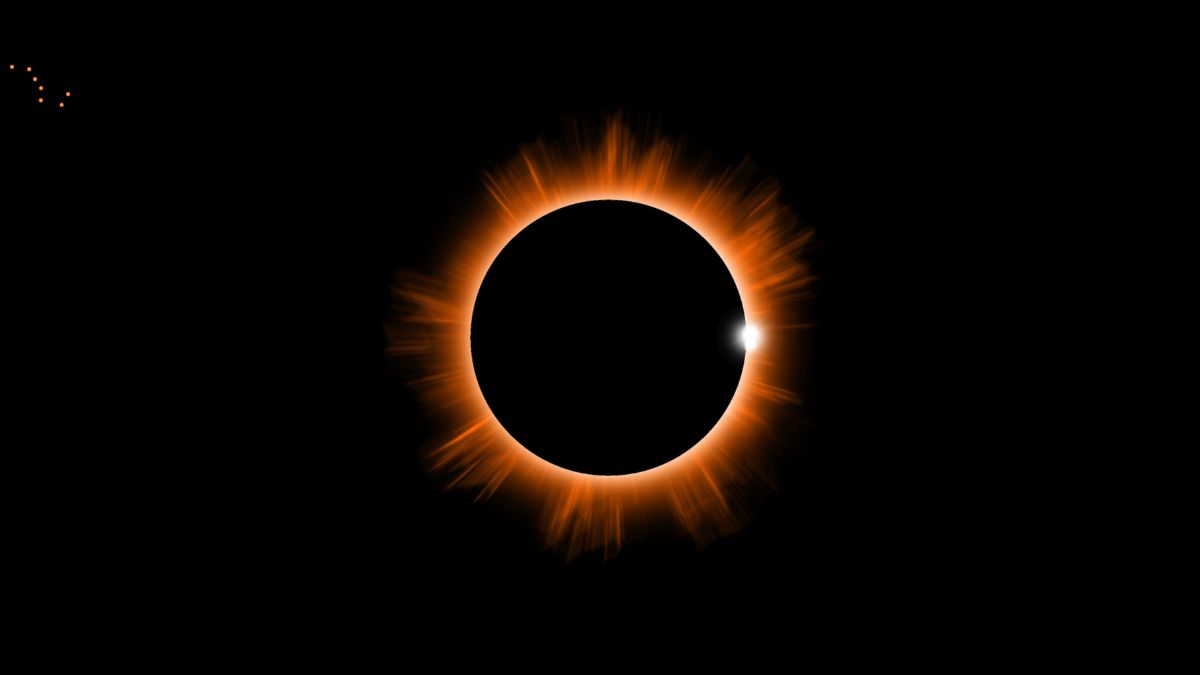
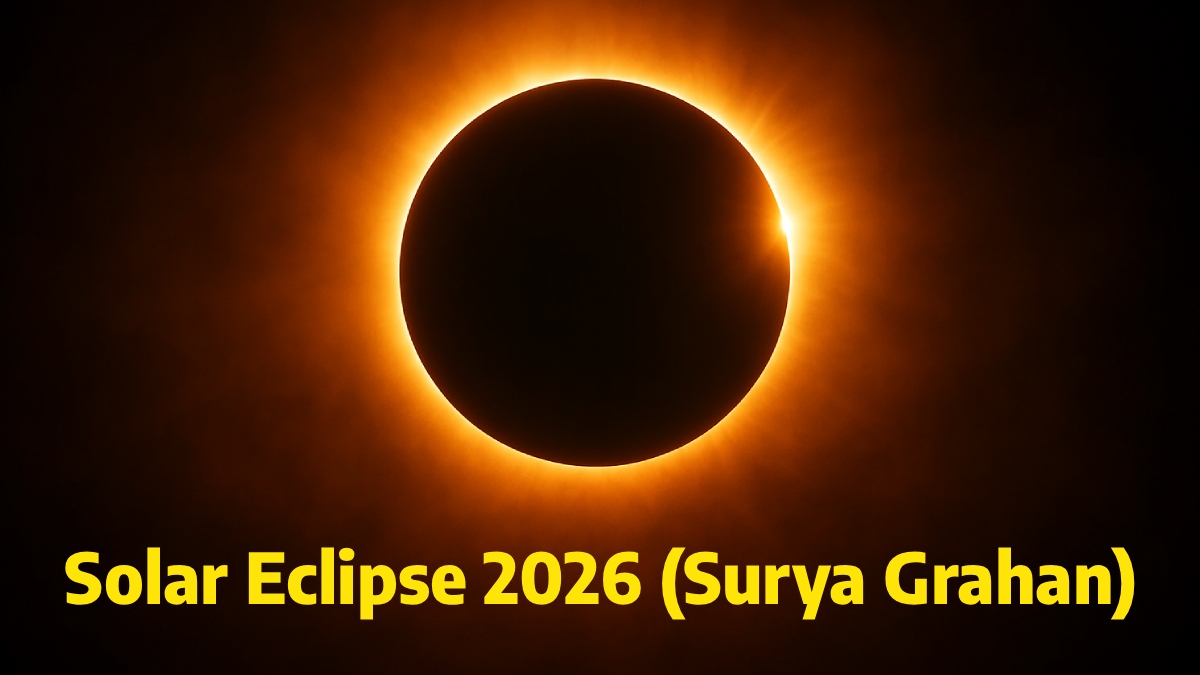
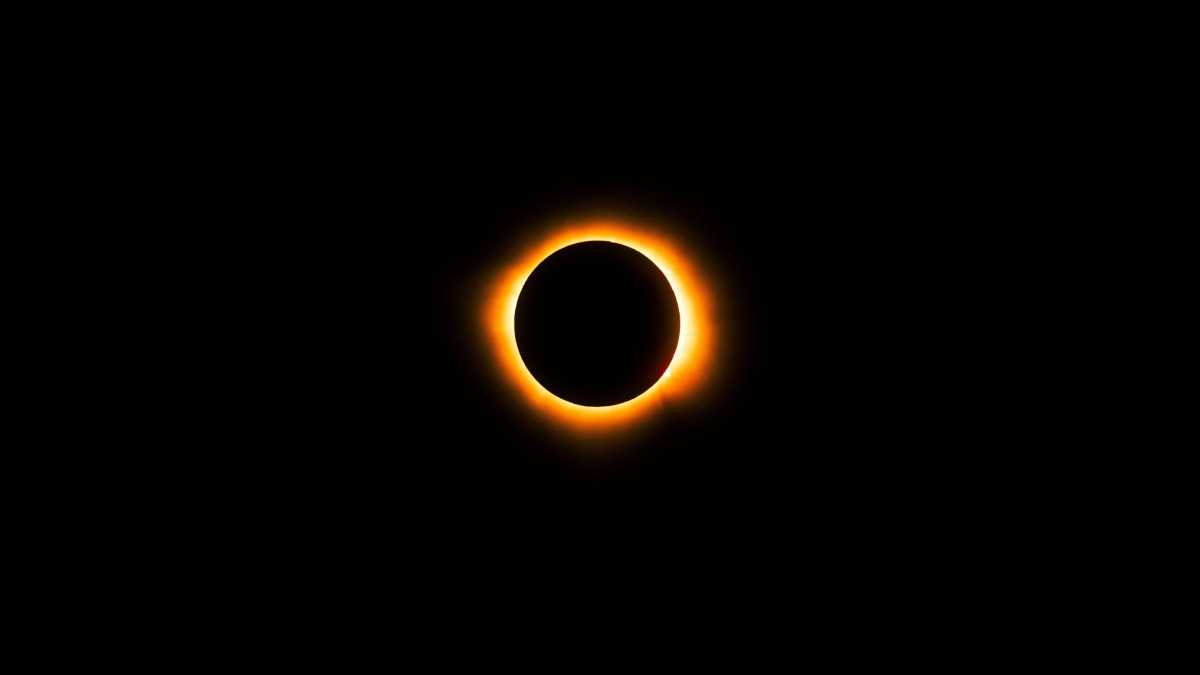
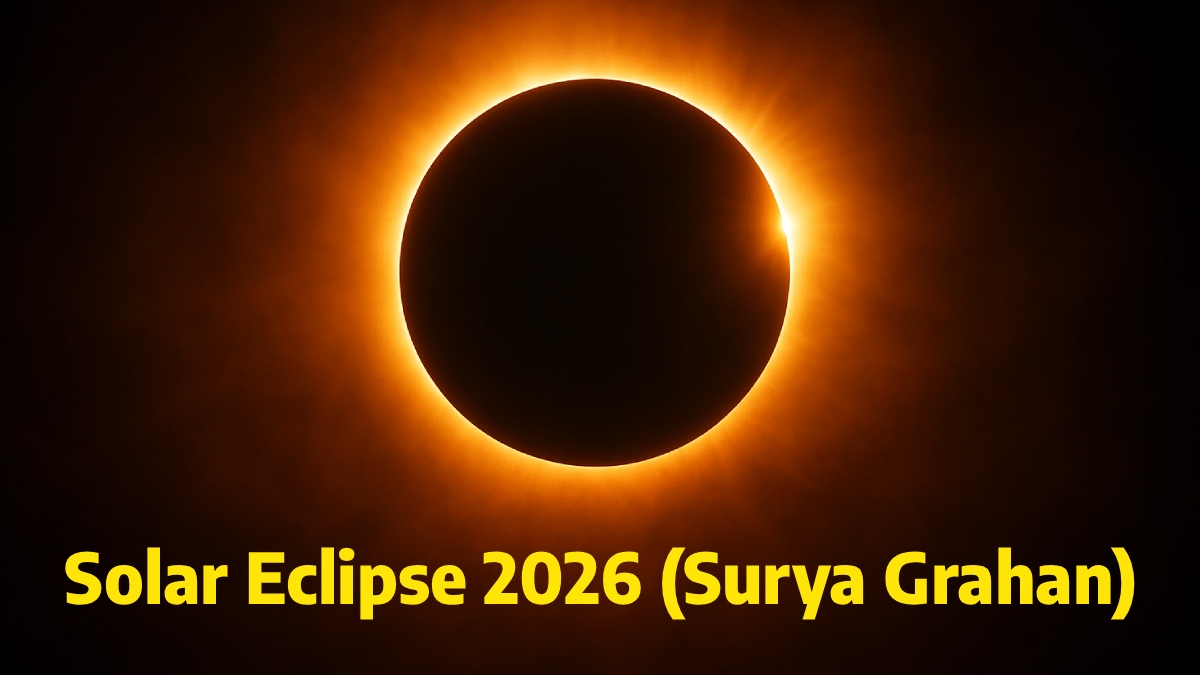
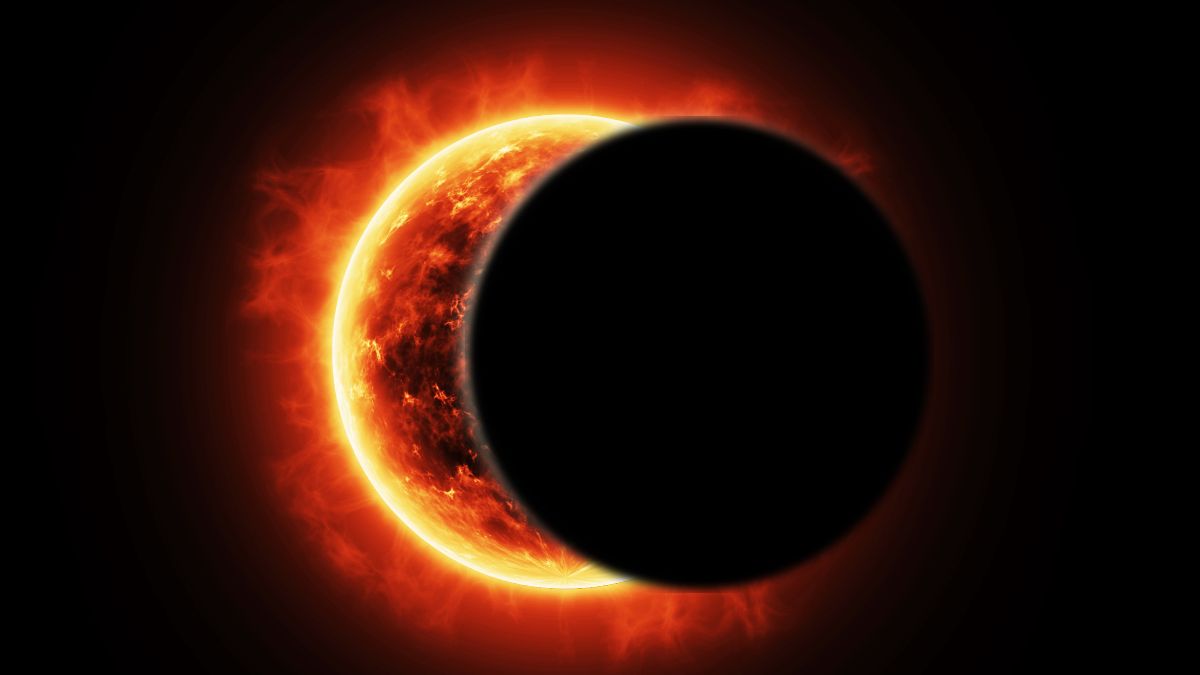
And you are going to see the most incredible planetary event of our time – this is the day it gets turned into a total solar eclipse with all its glory on 2 August 2027 which will take almost six minutes. This unique show will plunge some parts of the Earth into darkness, providing a stunning view of the sun’s brilliant corona to those looking up. What is more exciting about this eclipse is that it is rare: a long total eclipse is not a possibility again for 100 years. It will be a once‑in‑a‑lifetime experience for scientists, travelers, and ordinary people.
What Goes On During Full Solar Eclipses
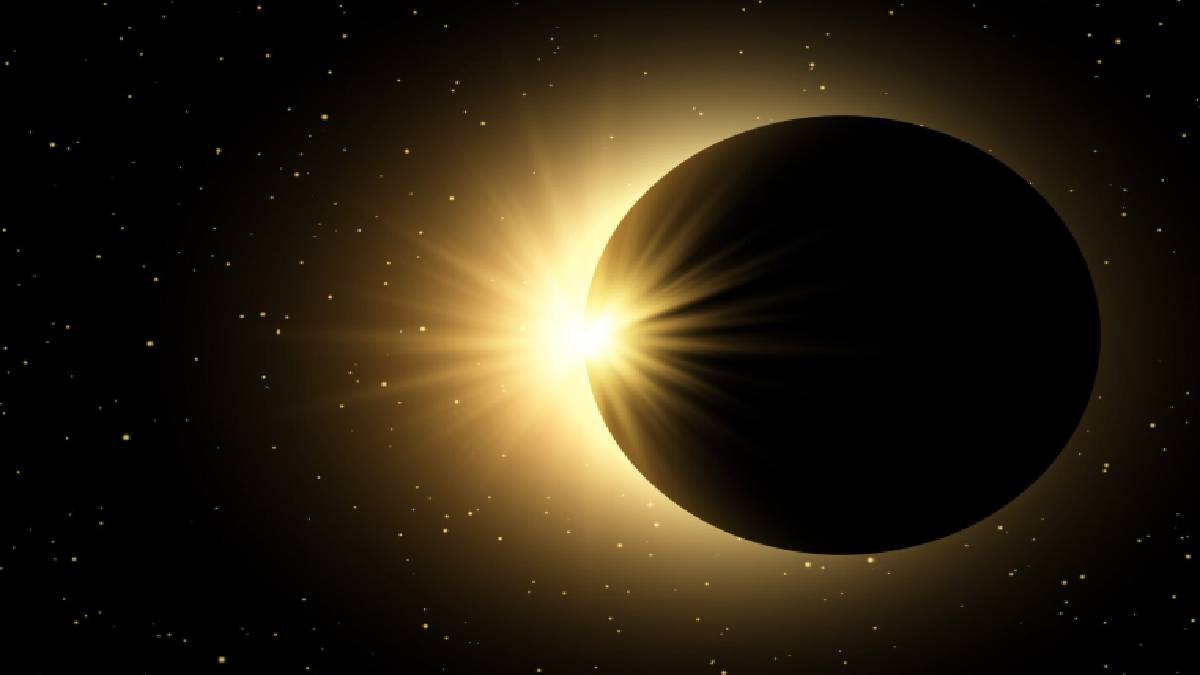
The moon passes directly between the earth and the sun during a total solar eclipse, the two of them perfectly lining up to block the sunlight. So for one short but unforgettable moment day turns into night. Temperatures plummet, stars and planets become visible, and the Sun’s corona, the outer atmosphere, which is typically hidden, shines brilliantly like a crown in the sky. This cosmic alignment is rare because the position of the Moon on Earth must coordinate exactly with the orbit of the moon itself. When it does, the effect is a massive upend to the heavens that enraptures millions.
Why Does the 2027 Eclipse Matter?
In most total solar eclipses, the duration is only a few minutes. In 2027 it will be almost six minutes and the darkness will feel like the longest eclipse in modern history. Such a period is extraordinarily rare and will not occur again for a century. Millions of people in Europe, Africa and the Middle East will find themselves in the path of totality, or the narrow stretch of land where the eclipse shines in full. People will still observe a partial eclipse outside this path, but the whole spectacle will be the preserve of those directly below the shadow.
Scientific Importance
This eclipse is more than a mere optical marvel for scientists. It also allows one to observe the Sun’s corona, which is often obscured by the sun’s glare. The corona is critical to solar winds and for space weather both of which impact Earth’s satellites and communication systems. Already astronomers and researchers are configuring telescopes, cameras, and instruments to capture whatever data they can during those valuable six minutes. The research’s results could aid our understanding of the Sun and its influence on our planet.
A Shared Human Experience
To scientists and beyond, the eclipse will be one that feels deeply emotional. It’s going to bring a moment of silence and awe to communities under its shadow as the sky darkens. For travellers and eclipse chasers, it will be an opportunity to look upon history. It will be a reminder to the everyday folk who walk outside to look up at how big and why we matter so little in the universe. We’re all connected to the like of events. If you’re an astronomer, a visitor, or else just someone who enjoys looking out to the heavens from the backyard sky, the eclipse will be a universal human experience, a cosmic dance that unites the millions of people who fly and travel from place to place across international boundaries.
Getting Ready for the Eclipse
Numerous vacationers are already charting trips to the path of totality. Hotels, tour operators and communities in places across Africa and the Middle East are bracing for an influx of tourists. During the partial phases, safety experts remind viewers to use appropriate eclipse glasses or filters so that your eyes remain safe, as gazing directly at the Sun can induce irreversible damage.
But the August 2 solar eclipse of 2027 will be more than just an astronomical event. It will be an epoch‐making moment. With nearly six minutes of total darkness, it promises to be one of the longest and most wonderful eclipses of modern times. To scientists, it represents an opportunity to piece together the secrets of the sun. For skywatchers all over the place, it is a marvel. Of course, for humankind it's an index of all the wonders and phenomena of the universe. So when six minutes of quiet pass, bear in mind a cosmic wonder that will not return one hundred years from now.