
A second-year engineering student at the Institute of Chemical Technology (ICT) in Matunga, Mumbai, was found dead after messaging his psychiatrist about suicidal thoughts when he was in his hostel room on Tuesday night after being reported to have texted his psychiatrist to say he was suicidal, according to police.
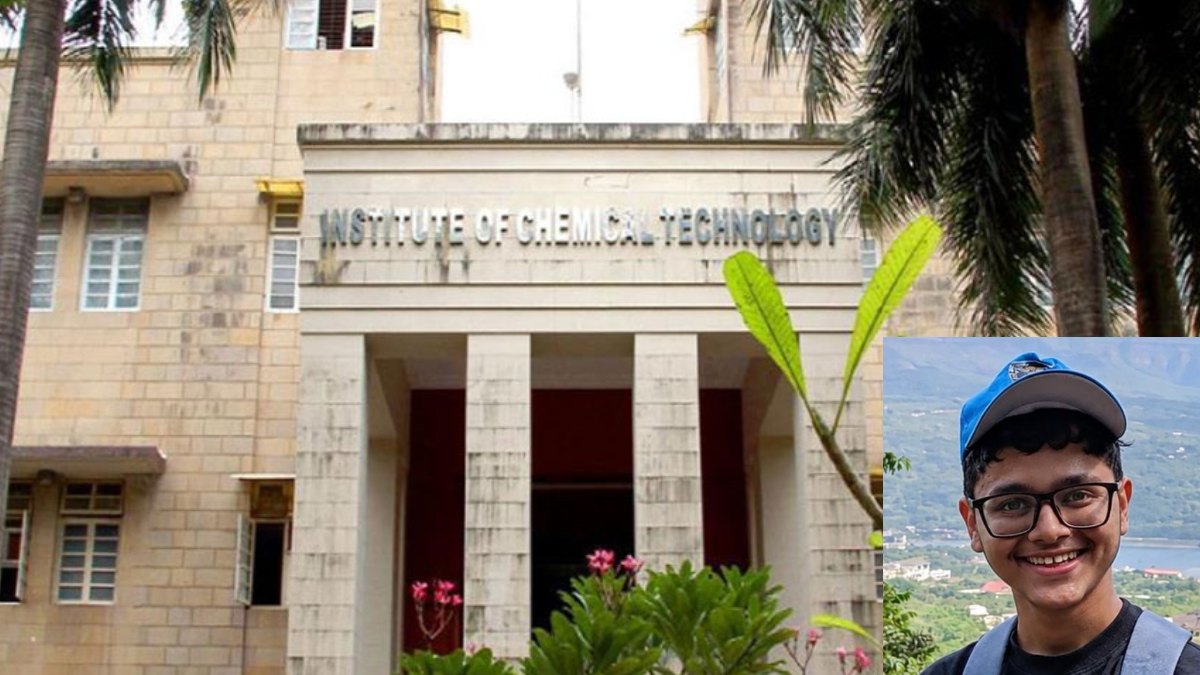
The student, Siddhesh Patil, who came from Nashik, was an engineering student, according to police. Police said the incident was discovered around 10:30 pm on Tuesday night and an investigation has been launched to find out what happened and how he died. It has renewed attention to student mental health, access to timely help and the challenges faced by students studying away from home for this student.
A few days prior to the incident, Patil had been in treatment for depression according to various sources. Before he died, he contacted his psychiatrist and said he was suffering from suicidal thoughts, and that the doctor took the message and notified Patil’s family. His relatives then contacted friends at the hostel and asked them to check on him. Students rushed to his room but Patil was found dead.
The event itself has prompted concerns about whether more help could have been sent to him when it was needed. But the exact timeline, the response arrangements and any other circumstances surrounding the incident should be established in the police investigation not speculation.
Matunga police have filed a case and started an investigation into the death. Family members, hostel residents and other people who may have information can provide statements to help understand what happened. They can also look at the communications that were made before the incident, as well. The investigation is ongoing and any conclusions on responsibility or the cause of the tragedy will not be made until the facts are known.
The incident has once more raised mental health issues among students at colleges and universities. Higher education may be full of academic pressure, demanding schedules, financial issues, moving in and settling into one’s new life.
Students who move away from their families will have a hard time communicating the extent of their distress to family and friends. People with existential crises feel these pressures and suicidal thoughts do not just happen to be part of student life. Mental health professionals, trusted friends, family members and emergency support can be vital in times of crisis.
Patil’s message to his psychiatrist is also a reminder of the importance of taking expressions of suicidal thoughts seriously. When a person says they’re at risk then the best response is to keep in touch with people who can help and to arrange an urgent professional assessment. If you’re in a situation where self-harm is imminent, the person is not to be left alone and emergency help is to be sought where it is safe to remain with them.
Educational institutions can help; counselling services can be made available and the emergency procedure is communicated so the students know when they should go to the emergency services.
The case has also been compared with another student death at IIT Bombay, where second-year student Sahil Wakode died in September. The circumstances for the student death cases are different and it is not possible to connect them to one another without evidence. But incidents of student deaths suggest that the mental health and crisis response and support of students living in hostels must be reviewed and better done. There should also be counselling services, confidential reporting channels, trained hostel staff and clear procedures for responding to emergencies as part of a wider student welfare strategy.
Patil’s family in Nashik, for whom all the trauma of this sudden loss is now the immediate focus, is on the continuing investigation and recovery. Investigation from the police might also shed light on what exactly happened at the time of his death. We are now trying to take care of what we know and keep it respectful and safe for all those involved and to understand the seriousness of mental health issues.
People experiencing suicidal thoughts or anyone who is at risk of feeling suicidal should contact help immediately. Tele-MANAS provides free, round-the-clock mental health support at 14416 in India. In a crisis situation, call 112 or go to the nearest emergency department for help. People feel that reaching out for help is important, and people in distress need immediate assistance.




Comments
Leave a Comment