
Delhi continues to reel under poor air quality as thick smog covers several parts of the national capital, fresh worries about public health and pollution control measures. The city’s AQI was 279 on Saturday (poor) but much worse in some pollution hotspots Anand Vihar had an AQI of 327 (very poor).
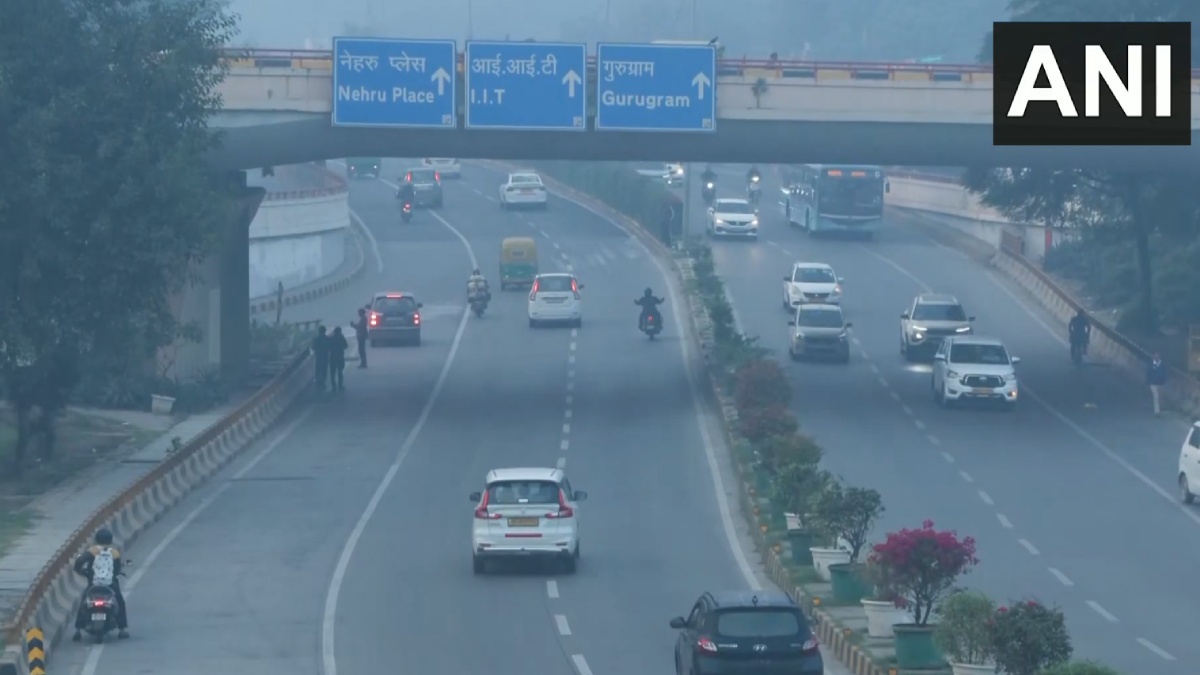
Particulate pollution (PM2.5) has been rising continuously in the city making outdoor activities uncomfortable and even harmful for residents. Enforcement measures have been stepped up as well vehicle checks at Delhi entry points were made stricter; new penalties imposed for violations related to waste disposal; more than 42,000 vehicles checked so far, over 4,200 prevented from entering the capital under the ongoing pollution-control drive.
The latest pollution figures show how difficult it is for Delhi to control air pollution especially during winter when weather conditions help pollutants to build up. The reported readings showed PM2.5 concentration at 140.5 micrograms per cubic metre. PM2.5 means extremely fine particulate matter that can get deep into the lungs and even reach the bloodstream.
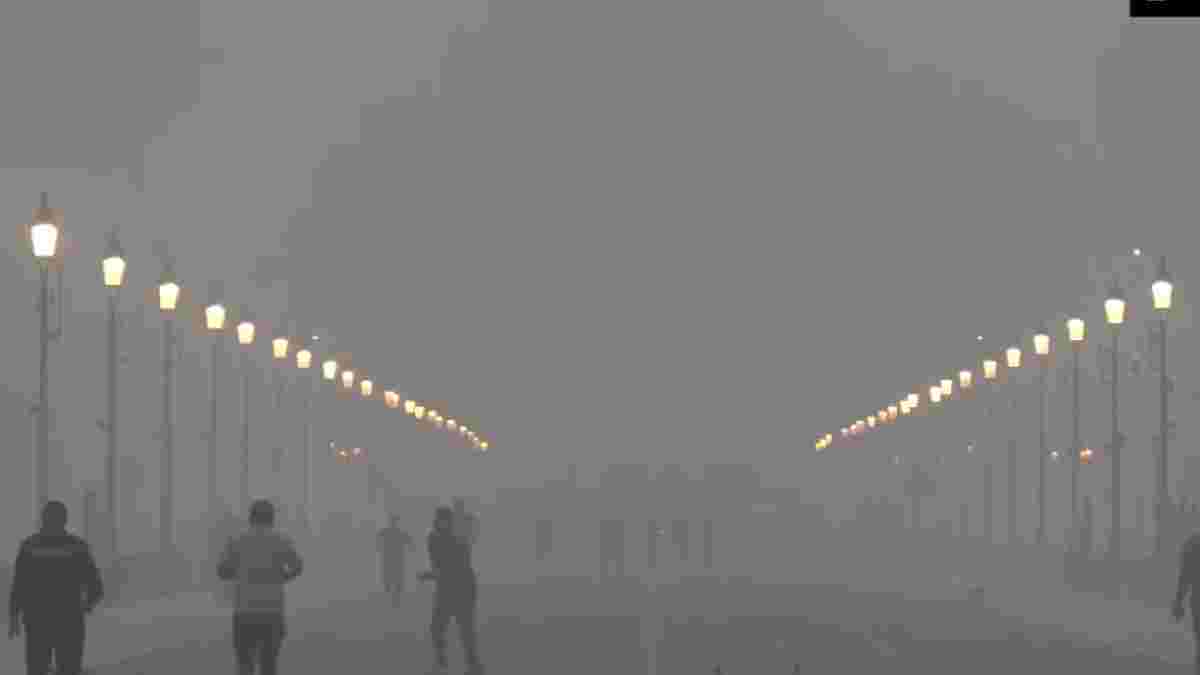
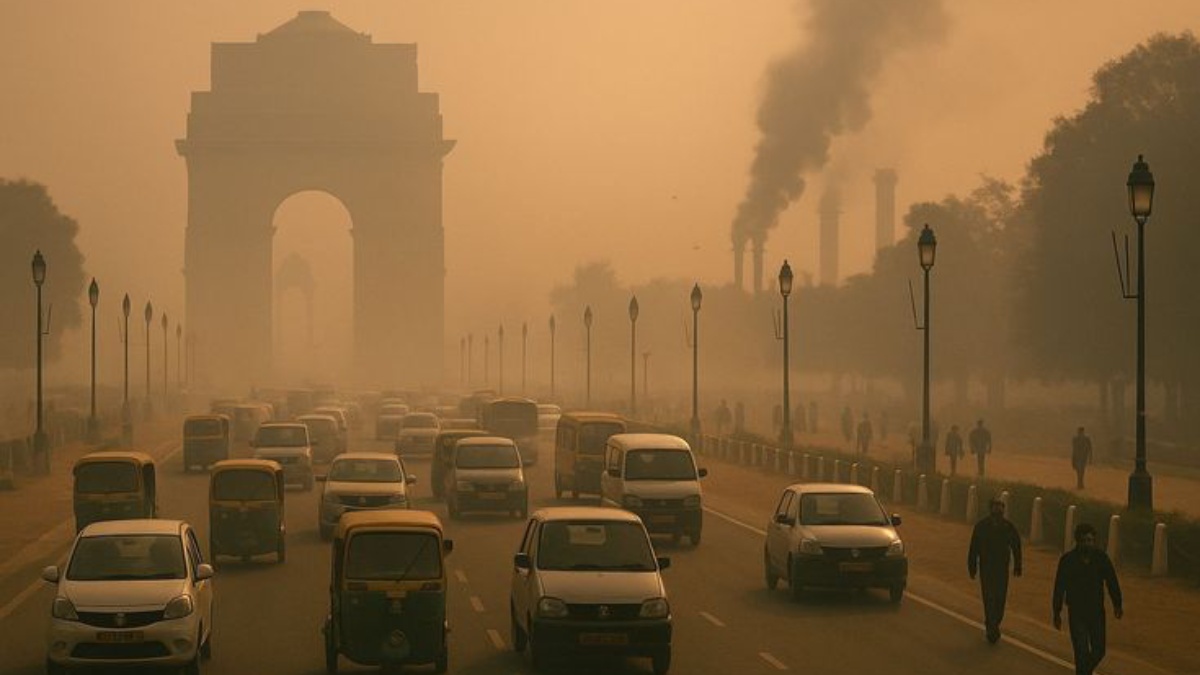
Prolonged exposure to high levels of these particles increases risk of respiratory problems, aggravates asthma and affects people with existing heart and lung disease. Children, elderly people and those with respiratory illness are most vulnerable to polluted air.
#WATCH | Delhi: Air Quality Index (AQI) around AIIMS is 369, categorised as 'Very Poor', as per the CPCB (Central Pollution Control Board). (Visuals shot at 07:00 am) https://t.co/3R7FDAhh4L
— ANI (@ANI) November 21, 2026
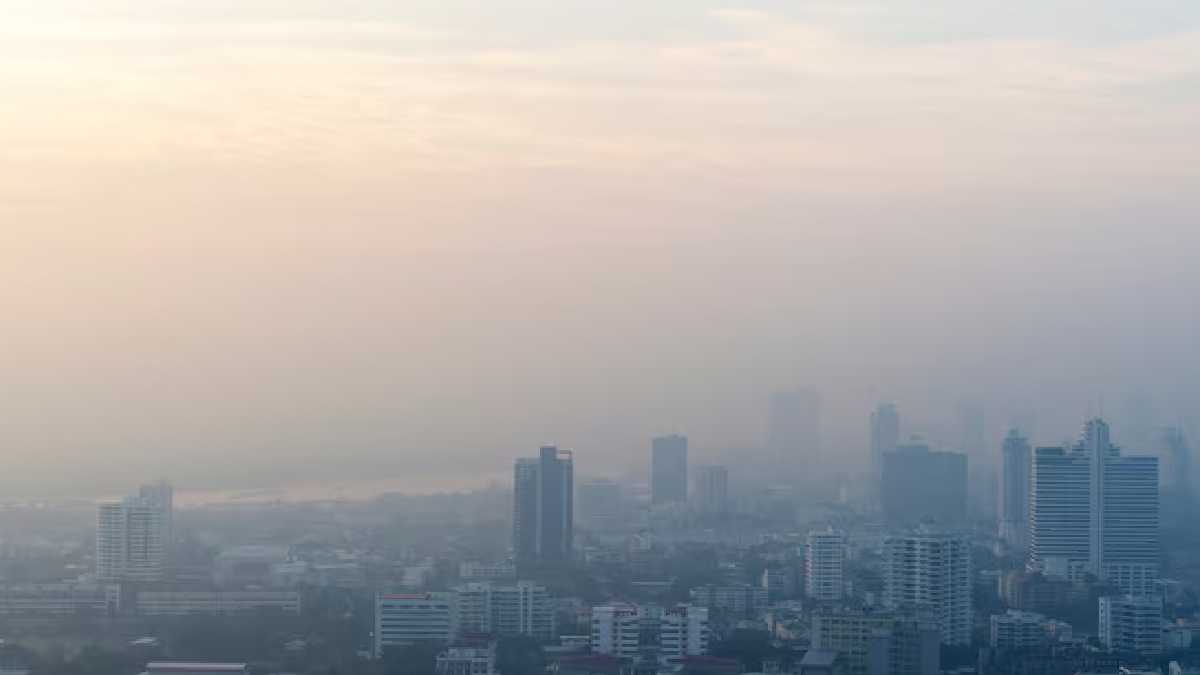
Anand Vihar has been one of the major pollution hotspots with an AQI reading of 327. It’s a place where traffic movement and commercial activity are heavy so local pollution levels could be high. Anything above 300 is in the very poor category under India’s air quality classification system.
Even healthy people can find breathing difficult in such conditions but people with existing respiratory or cardiovascular problems may experience more severe effects. The fact that city AQI was 279 but Anand Vihar was 327 shows how pollution levels can differ across different parts of Delhi too.
Delhi Police and enforcement agencies have stepped up vehicle inspections to restrict movement of highly polluting vehicles. About 42,000 vehicles were reportedly checked during the enforcement operation more than 4,200 were denied entry into national capital.
Inspections are being carried out so that vehicles which do not comply with pollution-control requirements do not add to already high pollution levels. Checks are also on at border entry points and other pollution hotspots across the country to ensure compliance with environmental norms.
Apart from vehicle restrictions, the government has also brought in Solid Waste Bye-Laws 2026 to strengthen waste management practices and discourage activities that cause air pollution. Violations related to waste disposal can now attract fines up to ₹1.5 lakh (depending on the nature of offence) under the new rules.
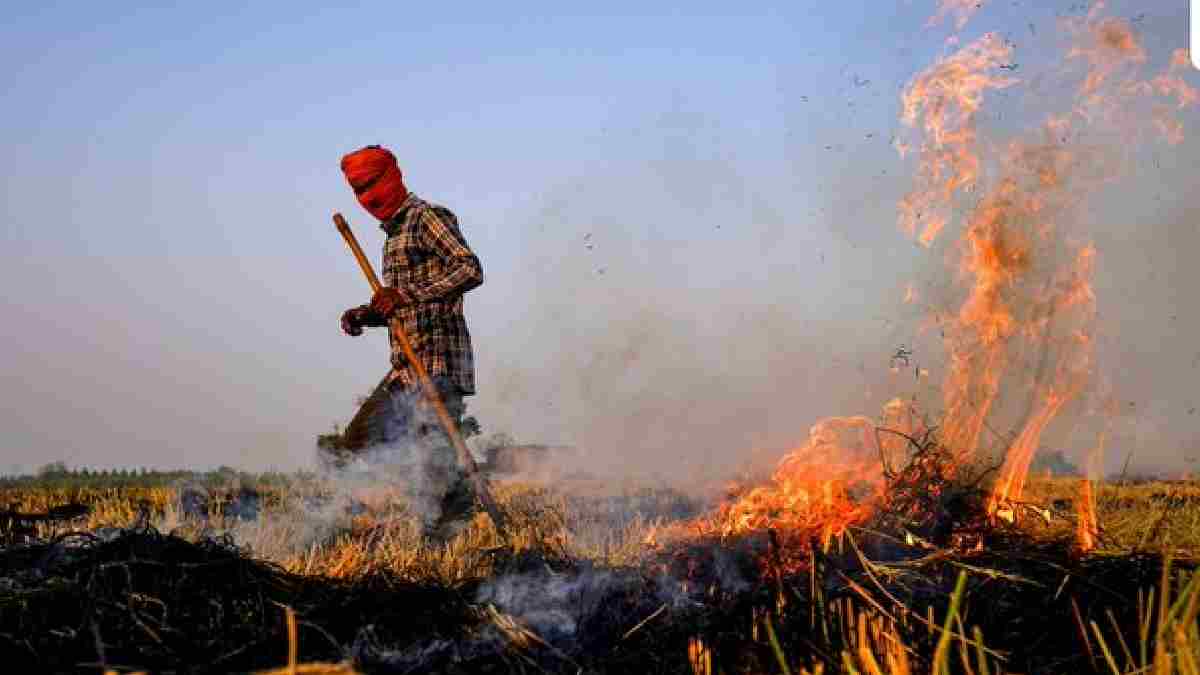
These measures are meant to tackle problems like improper garbage disposal, littering and burning of waste in public spaces open waste burning releases harmful pollutants and toxic substances into atmosphere which worsens air quality and adds to health risks for people living nearby.
The tougher penalties signal the increasing emphasis on enforcement rather than just public awareness campaigns to clean up pollution. Improper waste management is still a major environmental problem in cities garbage is burned instead of collected and processed through authorised systems so financial penalties will discourage people and businesses from breaking waste-management rules but their success will depend on monitoring, proper waste collection facilities and public cooperation.
Meanwhile residents have been urged to take precautions while pollution levels are high. People should wear well-fitting protective masks when going outdoors (particularly in very poor air quality areas), avoid unnecessary outdoor exercise and strenuous physical activity (especially when pollution levels are high) and asthma sufferers, respiratory conditions or heart disease should follow medical advice and be alert for coughing, breathing difficulties and chest pain.
Children and elderly people may need extra protection because their bodies are more sensitive to polluted air. Closing windows during periods of heavy outdoor pollution, avoiding traffic-heavy roads and not going where garbage is burned can also limit exposure. People who have persistent breathing problems should go to the doctor rather than ignore the symptoms.
There are some positives to be had even though pollution is still an issue. The sunnier conditions later in the day might improve visibility and therefore a slight easing of pollution levels. But weather-related improvements don’t necessarily mean long-term reductions. Emissions from vehicles, construction activities, industrial sources and waste burning need sustained attention as well.
Delhi’s latest AQI readings make clear the need for government agencies, businesses and residents to work together. Inspections of vehicles, tougher penalties on waste-disposal violations and public-health advisories are necessary steps but sustained pollution monitoring and stronger control over major emission sources will take time and with Delhi’s AQI in the poor category and several neighbourhoods very poor, air pollution is still a big problem for people living in the national capital.





Comments