
Delhi’s worsening air pollution is causing health problems doctors say people who don’t have respiratory or heart disease are also suffering with persistent throat irritation, coughing and breathlessness. Doctors at All India Institute of Medical Sciences (AIIMS) and Apollo Hospitals said heavily polluted air can affect anyone, not just those with existing health conditions.
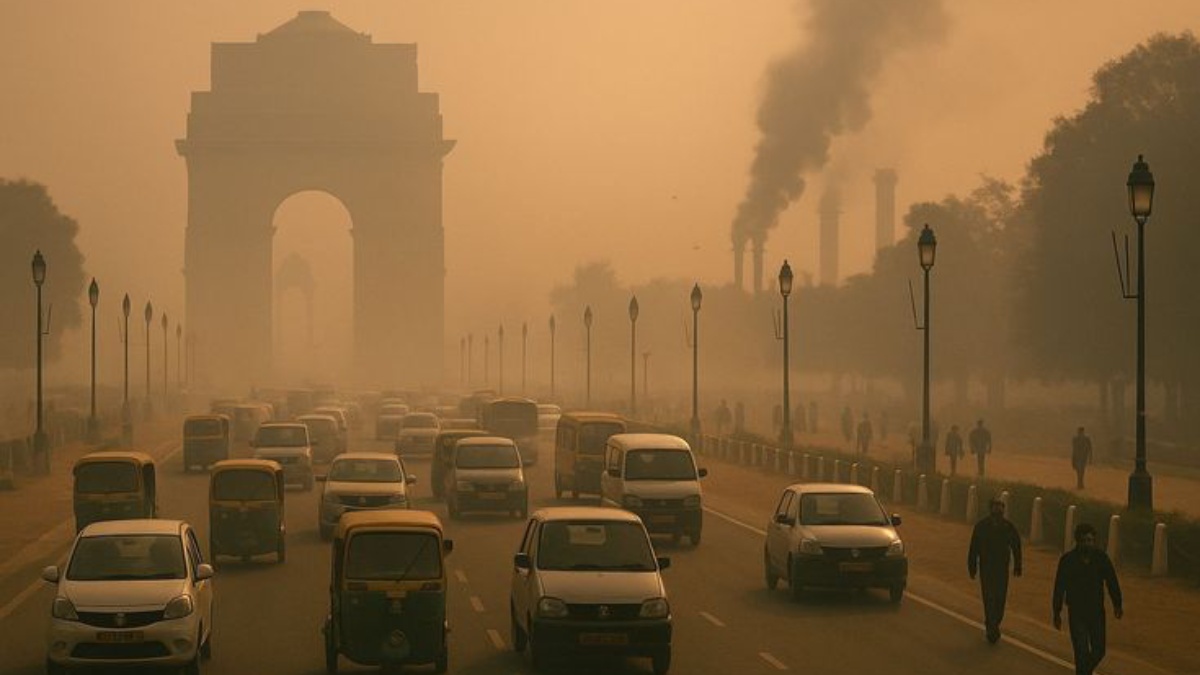
Doctors say that patients are coming back for consultations with symptoms already showing up after Diwali pollution episode. Healthy people too are going to the doctors.
In a report in The Statesman on 10 November, AIIMS pulmonologist Vijay Hadda said exposure to pollution was so widespread in Delhi that several of his healthy colleagues had complained of constant throat irritation and felt something stuck in their throats.
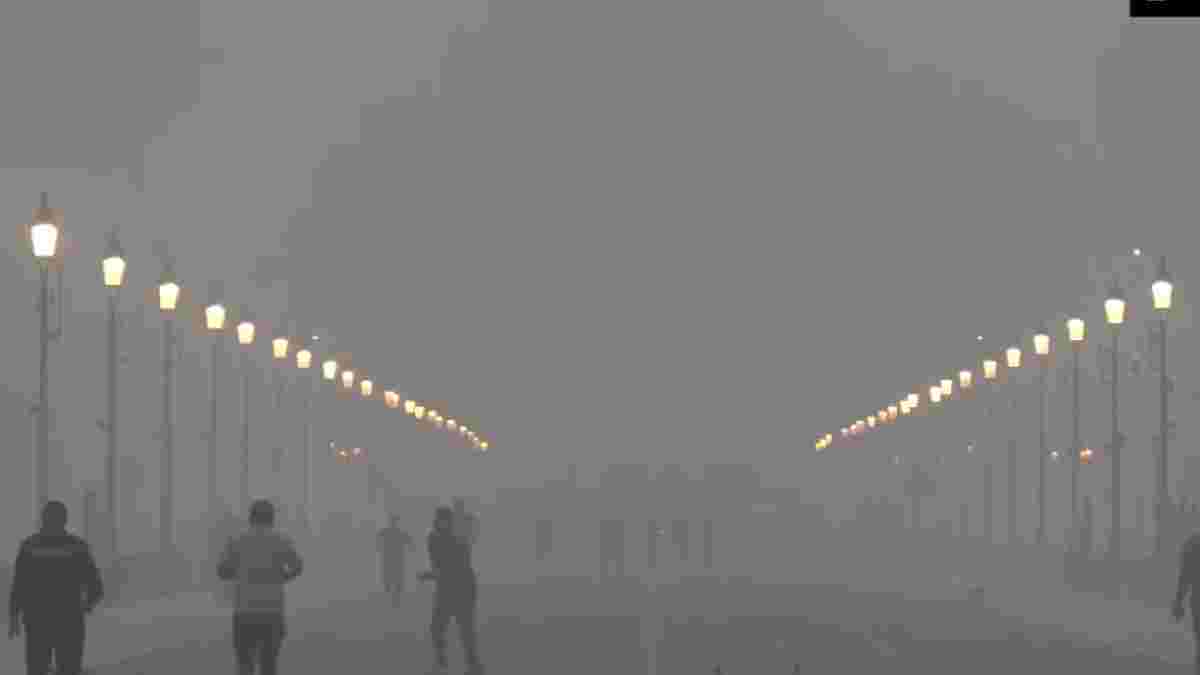
“I am honestly surprised that we are still alive” was the comment which showed how serious he was about Delhi’s air quality.
AIIMS Doctor Warns That Healthy People Are Also Experiencing Symptoms
Professor in the Department of Pulmonary Medicine and Sleep Disorders at AIIMS Dr Vijay Hadda said pollution related complaints were no longer restricted to people with existing respiratory illnesses.
Even healthy colleagues had called him about persistent throat irritation that would not go away. He mentioned patients who came to outpatient department and returned for further consultation.
Dr Hadda said the problem comes back every year but attention often wanes after the immediate pollution crisis passes.
He’s making an important point here: People don’t have to have asthma or COPD or any other diagnosed condition to be irritated by polluted air.
The Ministry of Health and Family Welfare’s air pollution advisory also acknowledges that prolonged exposure to very poor air quality increases the risk of respiratory illness in otherwise healthy people.
Green Crackers May Still Release Significant Pollutants
Dr Hadda also questioned the notion that green firecrackers eliminate pollution caused by conventional fireworks.
He said green crackers reduce emissions by about 30 per cent but a lot of gases and particulate matter emissions are similar to those from conventional firecrackers.
The doctor said that even products marketed as less polluting can add to the overall pollution burden.
Green crackers are intended to reduce emissions compared with fireworks but they should not be thought of as pollution free. Their use does not obviate the need for wider measures to control firecracker emissions and other sources of air pollution.
Fireworks can add particulate matter and gaseous pollutants to an atmosphere where vehicle emissions, industrial activity, construction dust and other sources are already present.
Apollo Doctor Reports Symptoms Among Young Adults
S Chatterjee, Senior Consultant in the Department of Internal Medicine at Apollo Hospitals was also worried that people without known illnesses were reporting symptoms.
Complaints were coming in from different age groups (20 to 50 years old) too, he told The Statesman.
Doctors typically expect pollution to worsen symptoms in asthma, COPD and existing heart disease patients. But symptoms in otherwise healthy people are also worrisome.
Reported complaints include:
- Persistent throat irritation
- Coughing and wheezing
- Breathing difficulties
- Throat discomfort and a sensation of irritation
- Chest discomfort in some cases
Dr Chatterjee said symptoms could start within hours of exposure to very high pollution levels and that they may persist beyond the immediate exposure period.
He also urged residents not to engage in unnecessary outdoor activity while pollution levels are high.
How Does Toxic Air Affect Even Healthy People?
Air pollution consists of a mixture of harmful substances (fine particulate matter, nitrogen dioxide, sulphur dioxide, ozone and other pollutants).
Among these, PM2.5 is of greatest concern because the particles are very small and can get deep into the lungs; some particulate matter can also enter the bloodstream and cause inflammation and damage to other organs.
Exposure to particulate matter causes respiratory and cardiovascular diseases (heart disease and stroke) according to the World Health Organization (WHO).
Even people without diagnosed medical conditions can get irritated eyes nose throat coughing and breathing discomfort when pollution levels are high.
The effects depend on several factors (pollutant concentration, exposure time, age and susceptibility of individuals).
Long-term exposure leads to more serious health consequences (e.g., reduced lung function, increased risks of chronic respiratory and cardiovascular disease).
Why Children, Older Adults and Patients With Existing Conditions Face Greater Risks
Air pollution can affect everyone but some groups are more vulnerable.
- Children: Their lungs are still developing and they may be exposed to polluted air when playing outside or on school commutes.
- Older adults: Age related changes and existing medical conditions can make older people more vulnerable to pollution-related complications.
- People with asthma and COPD: Polluted air can irritate airways and make coughing, wheezing and breathing problems worse.
- People with heart conditions: Fine particulate matter increases cardiovascular stress and raises health risks in people with existing heart disease.
- Pregnant women: Air pollution exposure during pregnancy is associated with maternal and child health risks.
People who work outdoors for long periods (traffic personnel, construction workers, street vendors and delivery workers) may also be exposed to higher levels.
Can Pollution Symptoms Last After Exposure?
Yes. The health effects of air pollution don’t just go away once a person moves out of the polluted area.
Fine particulate matter exposure causes inflammation and irritation in the respiratory system. Depending on how much was inhaled and for how long symptoms may persist for a few days.
The US Environmental Protection Agency says that respiratory effects from particle pollution exposure can take days to recover from after exposure ends.
Dr Chatterjee also said that health effects of severe pollution may go beyond the period of initial exposure.
This is why residents shouldn’t assume that because they spent a few hours indoors or felt temporarily relieved of irritation the effects of pollution are gone.
If breathing is not improving, chest pain occurs or wheezing is severe or symptoms are getting worse then medical attention should be sought.
How to Protect Yourself During Severe Air Pollution
Doctors tell residents to avoid unnecessary exposure when air quality is poor. These steps can help:
1. Check AQI regularly: Check local air quality through official sources like the Central Pollution Control Board’s AQI portal or the SAMEER mobile application.
2. Avoid outdoor exercise: Running, cycling and intense workouts outside increase the amount of polluted air you breathe in. Move exercise inside when pollution levels are high.
3. Wear a well-fitting N95 mask: If outdoor exposure is unavoidable, a properly fitted N95 respirator will reduce inhalation of fine particles. Ordinary cloth masks do not protect against PM2.5.
4. Close windows during severe episodes: Don’t let outdoor polluted air in when conditions are very poor Ventilate indoor spaces when outdoor air quality improves.
5. Use indoor air filtration wherever possible: A properly sized air purifier with an effective particle filter can reduce indoor particulate matter. Don’t use devices that intentionally produce ozone.
6. Follow the prescribed medication: People with asthma, COPD or heart conditions need to continue treatment as prescribed and see their doctor if symptoms get worse.
7. Avoid unnecessary travel: Limit outdoor exposure during high pollution periods (children, older adults and people with existing health conditions).
India’s National Centre for Disease Control says avoid outdoor physical activity when AQI is very poor or severe. Its health advisory says healthy people can get respiratory illness if they are exposed over a prolonged period of time.
Delhi's Pollution Crisis Requires More Than Temporary Precautions
Individual precautions reduce exposure but they don’t solve the bigger air pollution problem.
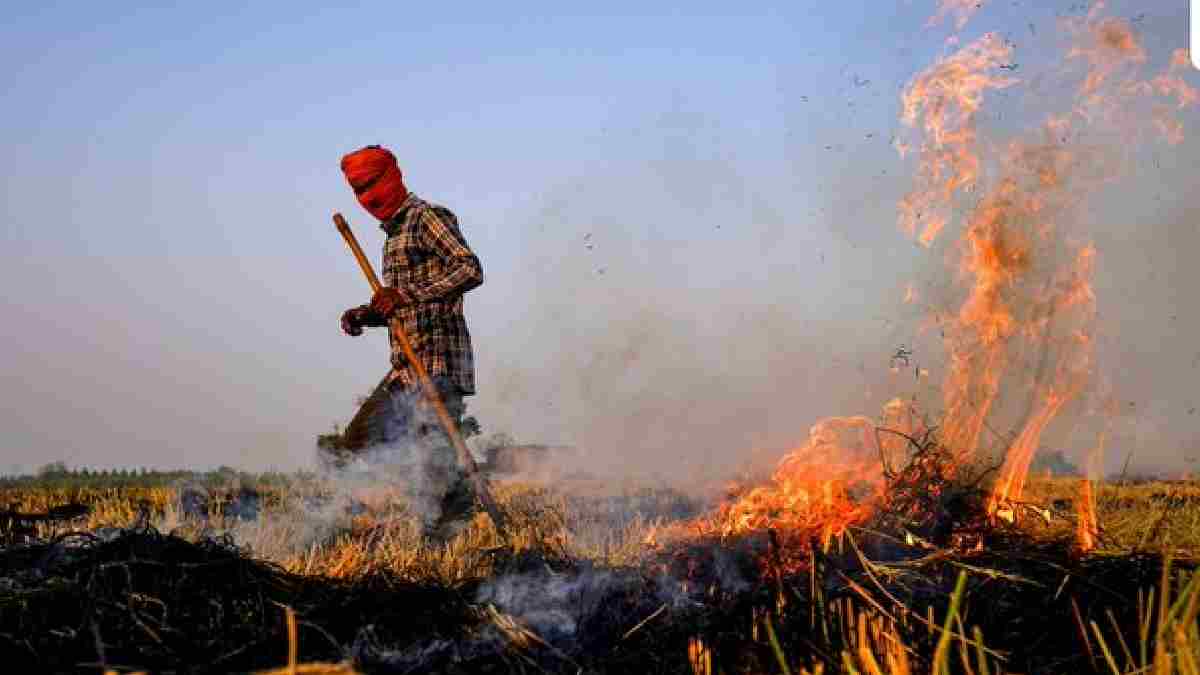
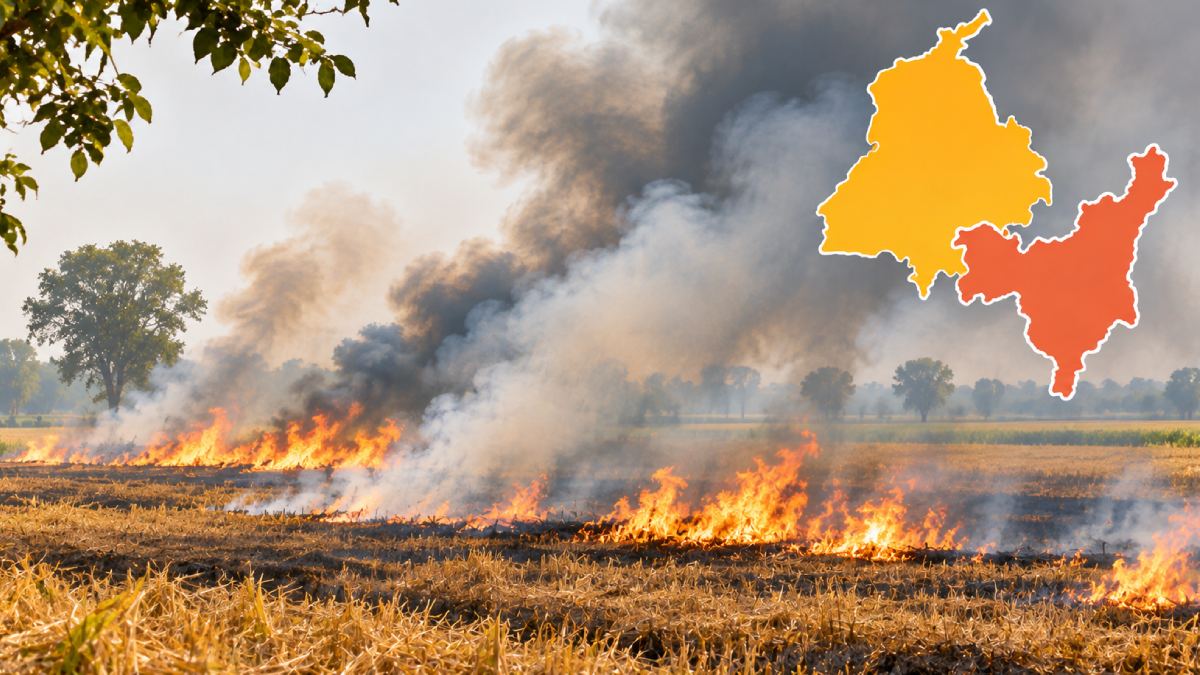
Delhi’s air quality is affected by transport emissions, construction dust, industrial pollution, waste burning, seasonal agricultural fires and firecracker emissions. Weather can also affect how quickly pollutants disperse.
The WHO has been very clear on the need for long term measures to reduce pollution from transport, energy production, industry, waste management and other major sources.
Dr Hadda’s warning is about human health: if severe pollution becomes a seasonal problem then we’re letting it happen. The AIIMS and Apollo doctors also show why air quality should not be treated as an environmental nuisance but as a public health issue.
Delhi is still battling polluted air so people need to be careful, check local AQI levels and go to the doctor if symptoms persist or get severe. But improvement will only come if pollution is reduced at source not just on personal protective measures.


Comments