
Delhi’s air pollution crisis has worsened ahead of Diwali as several parts of the national capital recorded AQI levels above 400 on Tuesday, November 3. A thick layer of toxic haze covered large parts of Delhi-NCR, making visibility poor and fuelling fears over health risks associated with prolonged exposure to polluted air.
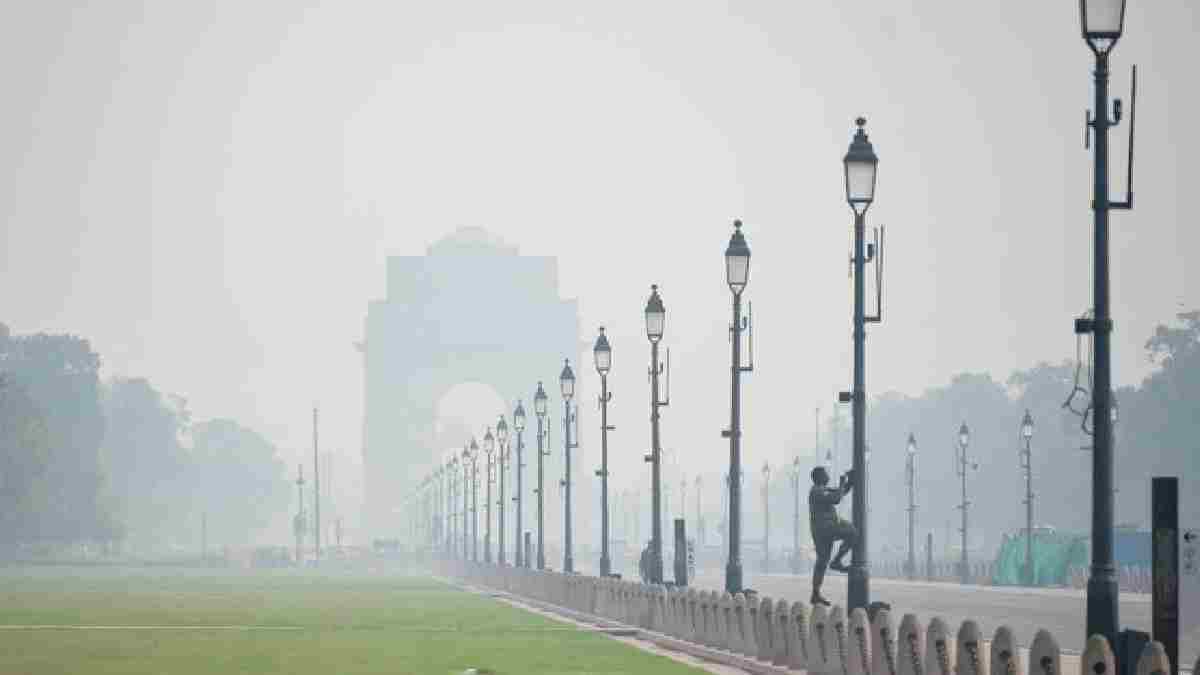
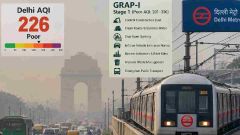
As per CPCB monitoring data, Delhi’s overall AQI was 331 at about 7 am on Tuesday, which is in the very poor category, but in many areas (where monitoring stations recorded readings above 400) it fell into the severe category.
The deteriorating air quality comes less than a week before Diwali (November 8 this year). Festive celebrations, firecracker emissions and unfavourable weather are expected to pile more pollution on top of the already heavy burden. Authorities have stepped up measures to prevent further deterioration.
Several Delhi Areas Record AQI Above 400
The pollution situation is still very bad in parts of north and northwest Delhi. CPCB data released on Tuesday morning said Jahangirpuri recorded an AQI of 449 — one of the most polluted areas in the capital.
Other areas also had severe pollution levels:
- Rohini: AQI 429
- Punjabi Bagh: AQI 424
- Alipur: AQI 413
- Vivek Vihar: AQI 410
- Bawana: AQI 408
- Delhi Technological University: AQI 407
- Narela: AQI 406
Patparganj had an AQI of 379, R K Puram was at 374, ITO registered 373, and Chandni Chowk recorded 352.
The figures show how pollution is not evenly distributed across the national capital: some neighbourhoods are much worse than the city average.
Toxic Haze Spreads Across Delhi-NCR
A thick layer of smog was seen over several parts of Delhi and NCR on Tuesday morning. Visibility reduced, and particulate pollution levels increased, which added to commuters’ and residents’ concerns.
Nearby cities were also seeing deteriorating air quality. Noida AQI was 307, and Manesar AQI was 302. Gurugram AQI was 284, Ghaziabad AQI was 259, and Greater Noida AQI was 213.
Faridabad had a slightly lower AQI of 111, but air quality conditions can vary from monitoring site to monitoring site and throughout the day.
Fine particulate matter (PM2.5) was the dominant pollutant at most of Delhi’s monitoring stations. Fine particles can get deep into the lungs and cause breathing difficulties among other health problems.
GRAP Stage 2 Restrictions Implemented Across NCR
In response to the deteriorating air quality, CAQM activated Stage II of GRAP (Graded Response Action Plan) across Delhi-NCR on Monday Nov 2.
The decision came after Delhi’s AQI jumped sharply on Monday (324 by 4 pm) and went into the ‘very poor’ category.
Under GRAP Stage II, authorities have been asked to step up pollution-control measures across the region (mechanical road sweeping, water sprinkling with dust suppressants regularly and inspections at construction/demolition sites).
Authorities have also been asked to hike parking charges to discourage use of private vehicles. Restrictions on the use of coal and firewood in hotels, restaurants and open eateries will also be enforced.
The CAQM has further asked Delhi and neighbouring state governments to stagger office timings of government and municipal employees so as to reduce traffic congestion and vehicle emissions.
Delhi Metro Adds Extra Services to Reduce Pollution
In an effort to promote public transport, Delhi Metro Rail Corporation (DMRC) said on Tuesday that 20 more train trips would be added in weekdays from Tuesday.
This brings the total number of additional weekday services to 40 across the Delhi Metro network. The move is aimed at encouraging people to use public transport instead of private cars.
Traffic police have also stepped up vehicle checks at Delhi’s borders to enforce pollution control regulations. The objective is to reduce emissions from vehicles (particularly older and more polluting ones).
Stubble Burning and Weather Conditions Add to Pollution
Stubble burning in neighbouring Punjab and Haryana is another issue as Delhi prepares for the festive season.
NASA satellite data picked up 1,561 farm fires in Punjab and Haryana between October 1 and November 2 — 1406 in Punjab and 155 in Haryana. But the actual number could be higher, as the timing of satellite observations can miss fires started later in the day.
North-westerly winds have also been carrying smoke from agricultural areas towards Delhi-NCR. Relatively calm wind conditions and the geography of the northern plains make it difficult for pollutants to disperse.
The weather forecast suggests that Delhi’s air quality may continue to be in the ‘very poor’ category over the next few days and could get worse if unfavourable meteorological conditions persist.
Health Risks Increase as Diwali Approaches
Rising pollution levels have raised concerns about respiratory health (children, senior citizens and people with existing respiratory or cardiovascular disease).
Long-term exposure to severe air pollution causes coughing, breathing problems, throat irritation and other health problems. Doctors generally tell people not to go outside during pollution episodes.
Residents should avoid unnecessary outdoor exercise, close windows when outdoor pollution levels are high and wear properly fitted protective masks when going outside.
As Diwali approaches (November 8), authorities are grappling with pollution from multiple sources — vehicles, construction activities, industrial emissions and firecrackers.
What happens in the next few days will determine whether the weather brings relief or Delhi-NCR experiences another big spike in pollution.





Comments