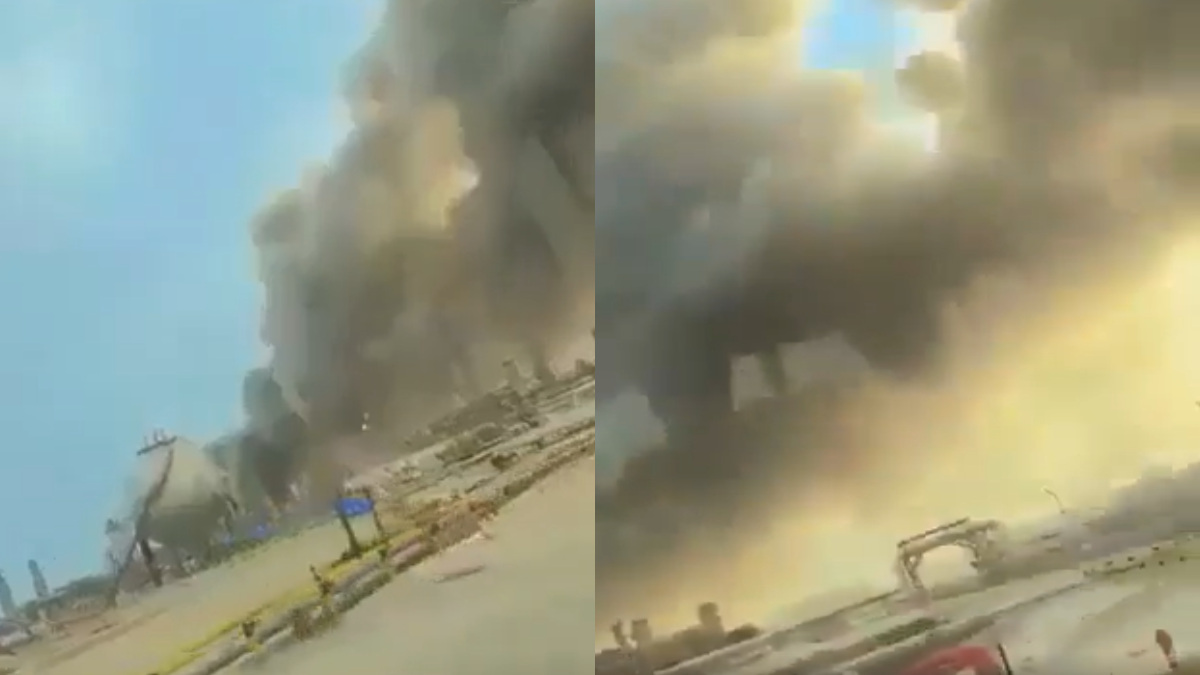
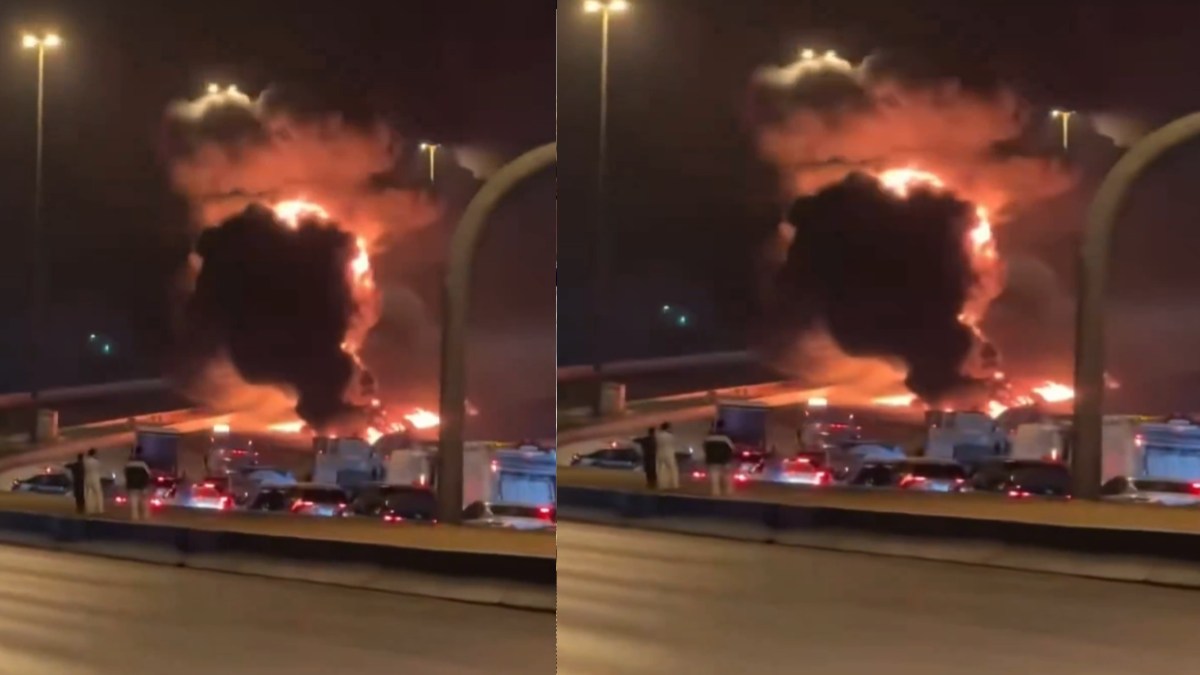
A factory fire in Riyadh in Saudi Arabia killed at least 16 Bangladeshi workers, sending shock waves through migrant communities and drawing condolences from Saudi and Bangladeshi officials. It took place in a sofa manufacturing factory in Riyadh and in the Musa Sanaiya industrial region (one of the city’s major industrial areas).
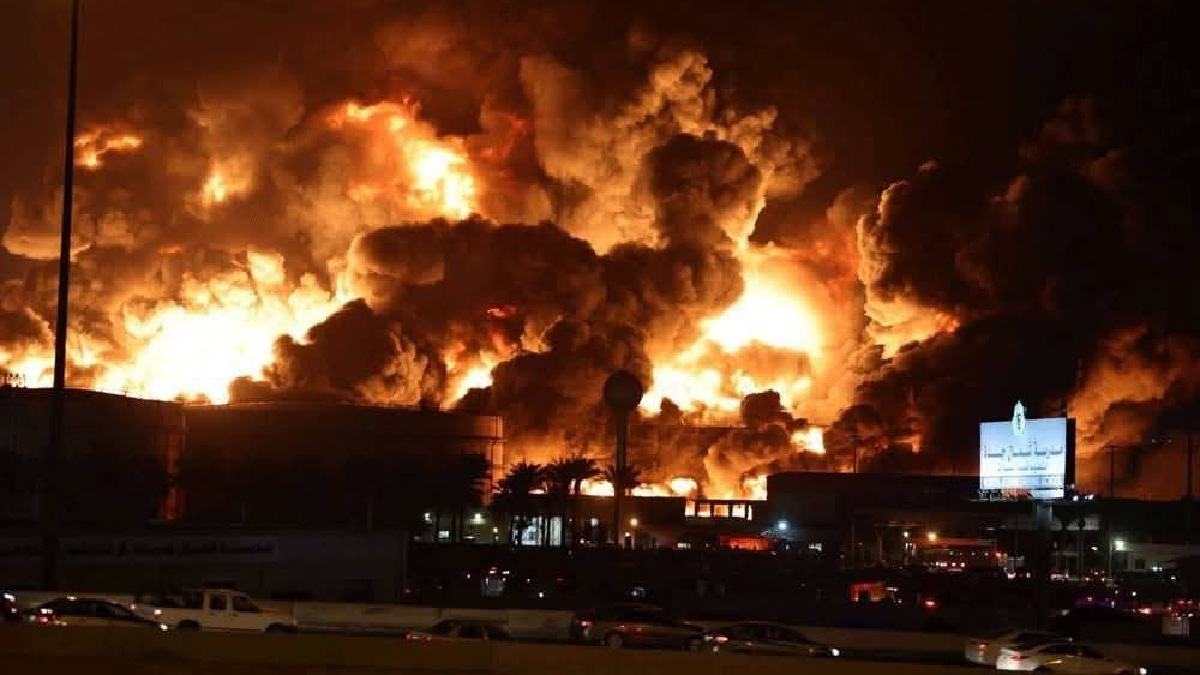
According to Bangladesh’s Ministry of Foreign Affairs, the victims were all Bangladeshi workers at the factory. The ministry expressed grief and expressed sympathy to the families of the victims of the fire. Saudi authorities are in close contact with the government and are monitoring developments related to the investigation and the welfare of affected families, officials said.
The fire erupted inside the factory building and spread quickly, trapping workers before emergency responders could intervene. Though the exact cause of the fire is not yet officially known, local authorities have launched a detailed investigation to determine what triggered the fire, as well as to see whether safety standards were being followed properly.
Emergency services rushed to the scene immediately after receiving reports of the incident. The fire was fought for several hours by firefighters, and rescue workers were searching for survivors and victims from the damaged building. Because of the size of the fire and casualties, the safety standards and emergency preparedness at industrial facilities where many migrant workers work have been questioned.
Saudi Arabia is home to a large population of foreign workers, with hundreds of thousands of Bangladeshis in construction, manufacturing, services, and domestic jobs. These expatriate workers are significant for both the Saudi economy and Bangladesh’s foreign remittance earnings. So migrant workers’ situations get a lot of exposure to both countries’ attention.

After the tragedy, Bangladeshi diplomatic officials in Saudi Arabia will assist in identifying the victims, working with local authorities, and moving the bodies back to Bangladesh. In addition, compensation and other assistance for the families of the deceased workers will be sought by the government.
It is a case that makes migrants’ working conditions more difficult because of the fact that work can be hazardous to the job security and safety of workers employed abroad. Labour rights advocates have long called for better workplace safety measures; regular inspections; and more robust emergency response systems, for example, to prevent workers from their employers from being put at risk from workplace accidents.
Families are waiting for more information on the identities of the victims and the arrangements for taking their loved ones home. Many Bangladeshis are mourning those breadwinners who had left for better economic opportunities overseas.
Industrial accidents are still prevalent in international business and industry in different sectors worldwide. When working in fire-prone areas (located with flammable materials, machines, and large staff), the experts say safety standards, employee training, and evacuation procedures need to be followed in order to prevent these disasters and minimise casualties in an emergency.
As investigations continue, both Saudi and Bangladeshi authorities are expected to work together to determine the circumstances of the fire and provide appropriate support to the affected families. The tragic loss of 16 lives is a reminder of the importance of workplace safety and the need to keep up surveillance of every industrial operation.
For the time being, there is great sympathy from social media and expatriate communities for the tragedy and calls for better protection for migrant workers in the future.