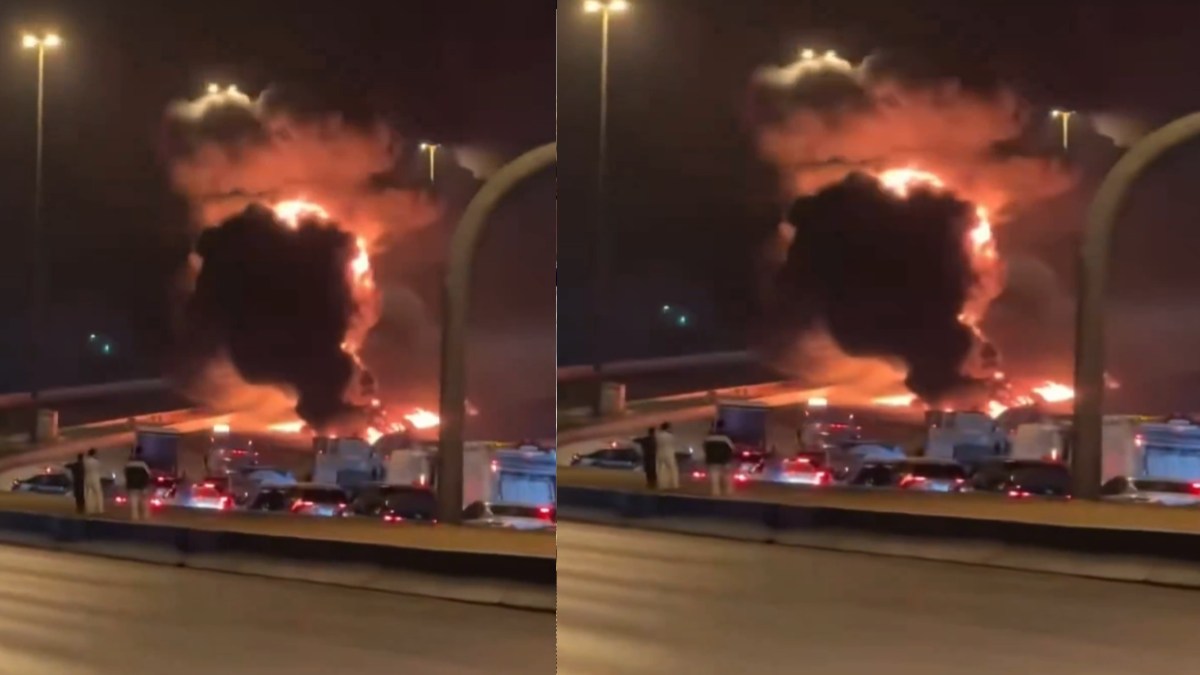
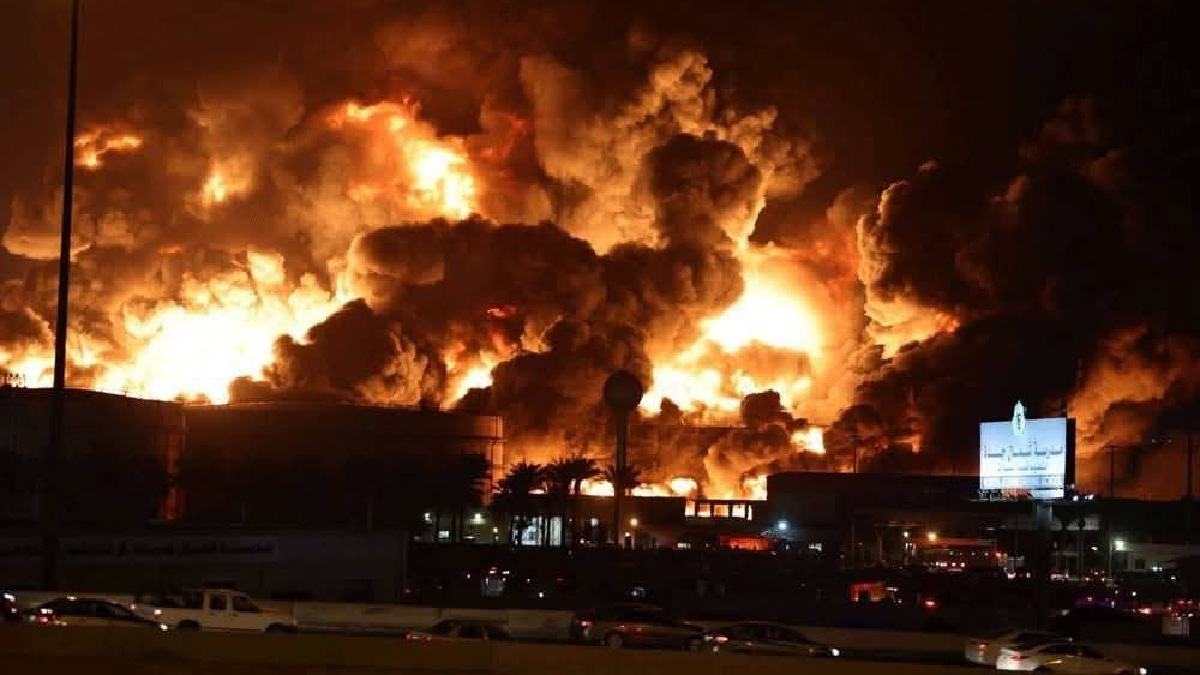
The energy infrastructure of Saudi Aramco in the southern Saudi city of Jizan, according to local media, is now under attack again, the second major strike in just over a month and an indication of the growing instability in the region.
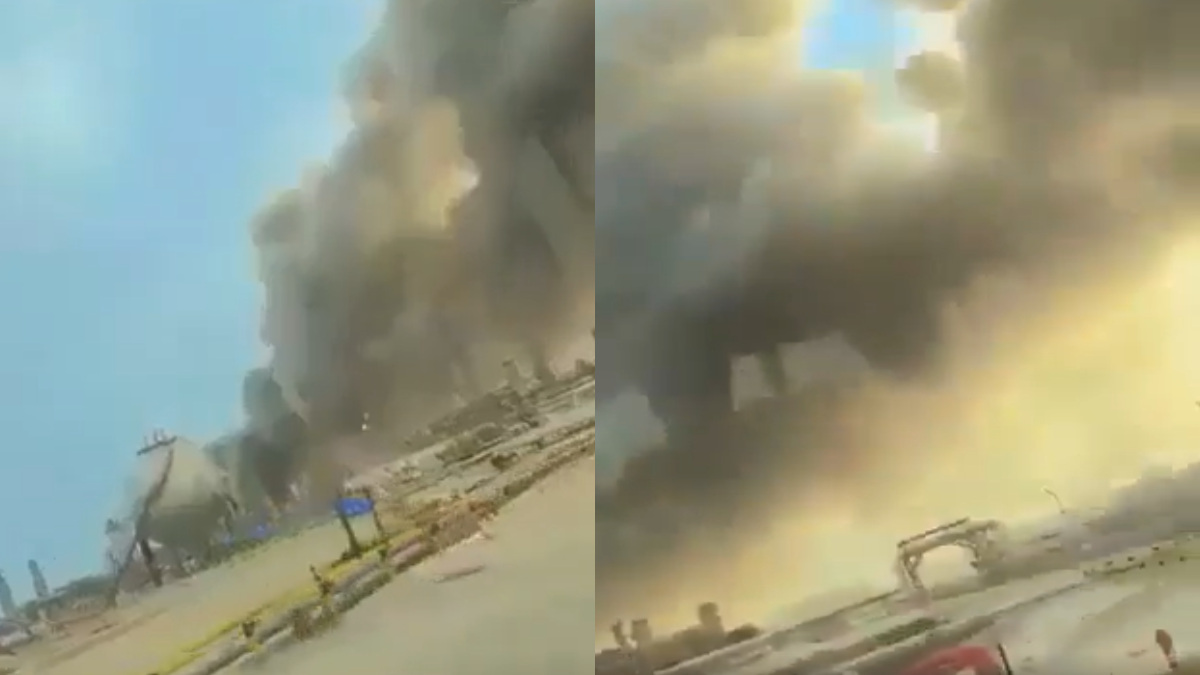
According to sources, Saudi Aramco’s facilities in Jizan were targeted on Monday. Authorities and company officials are investigating the extent of the damage done by the attack. People knowledgeable about the situation said the attack is similar to the previous attack that temporarily disrupted operations at the refinery last month.
The attack comes at a time when the conflict between Saudi-backed forces and Yemen’s Iran-aligned Houthi rebels has deepened. The Houthis have not claimed responsibility for the latest attack, but the group has been targeting Saudi energy infrastructure in the midst of the fighting.
Jizan is one of the most important energy centres in Saudi Arabia. From the Yemeni border, it is home to the biggest refining centre in the kingdom with around 400,000 barrels per day. There are processing plants and other critical energy facilities in the area.
Last year, Saudi Aramco’s Chief Executive Officer Amin Nasser admitted that attacks on its facilities had caused some temporary disruptions to oil production but added the strikes did not have a significant operational or financial impact on the company’s overall performance. We do not know if the strike will have a wider impact on oil production, but it will be significant.
Scenes from Aramco today after it was targeted. It is claimed that the attack was carried out by the Sana’a government, and that this is only the beginning, with something even bigger yet to come.🚀🔥 pic.twitter.com/PqYHnNOHhS
— GMX (@GMX_PRESS) September 7, 2026
The renewed attack comes as oil prices have risen, as investors get worried about supply disruptions in the Middle East. Brent crude oil climbed about 1.2 per cent on Monday to $97.40 a barrel in late morning trading as markets reacted to the developments.
Jizan is now a key trading hub for refined petroleum exports. In the early stages of the recent US-Iran conflict, shipments from the refinery soared as disrupted trade in the Gulf region affected traditional routes of export. But exports were reduced sharply after Houthi attacks resumed. In August, industry data shows that no refined oil products were shipped from Jizan, which indicates the difficulty faced by the facility.
The wider conflict dates back to 2015 when Saudi Arabia led a coalition of Arab nations to fight the Houthis after the rebel group seized Yemen’s capital, Sana’a, and forced out the internationally recognised government. A ceasefire reached in April 2022 greatly reduced violence, but tensions have increased again in recent months.
Since July, the Houthis have intensified their campaign by announcing a blockade targeting Saudi Arabia’s Red Sea ports. They have launched drone and missile attacks on energy facilities and endangered shipping through the Bab el-Mandeb Strait, one of the world’s most important shipping routes. That waterway is crucial to Saudi oil exports and global trade.
Houthi forces were reported to have launched a ground offensive along Yemen’s Red Sea coast. Clashes erupted near Mocha and around Taiz on Saturday, forcing thousands of civilians to flee their homes. Such a war is the strongest that Yemen has seen in several years.
The war is one that analysts say the effects of which would ripple out beyond Yemen and Saudi Arabia. Further attacks on energy infrastructure and threats to shipping lanes will disrupt global oil supply and put more pressure on global markets already grappling with geopolitical uncertainty.
Local governments and energy markets are also on high alert as investigations into the latest attack continue, and the global economy and Middle Eastern security are closely monitoring trends that affect both Middle Eastern security and the global economy of the region and the energy business.