Australia has confirmed the arrival of the deadly H5 bird flu strain for the first time in mainland Australia, ending a century of being the only part of the continent free of the virus. This is going to trigger a heightened biosecurity effort and a concern for the nation’s unique wildlife, poultry industry, and ecosystems.
Two cases of H5 infections were confirmed in migrating birds in Western Australia, and a third case was reported in South Australia, hundreds of kilometres away. The discovery is a key step in Australia’s fight against avian diseases; the H5 strain has killed birds in Europe, Asia, Africa, and America in the past few years. Agriculture Minister Julie Collins said all this was worrying, but the virus had not been necessarily unexpected given how widespread it is.
However, despite the detection, officials said there is no evidence of the virus propagating to poultry farms or Australia’s agricultural production system. Collins also sought to reassure the public of the virus being a low risk of spreading to human health, and the threat to human health is low. But the findings have already led to precautionary actions from the agricultural industry. One of Australia’s largest poultry producers has been putting in place lockdown measures at farms in Western Australia, and neighbouring Papua New Guinea temporarily suspended imports of Australian eggs and chicken products before lifting the restrictions.
Scientists and veterinary practitioners are still trying to understand how the virus has entered Australia and if it has spread to migratory seabirds. The infections are currently restricted to migratory seabirds and have not spread to other native birds, said Chief Veterinary Officer Beth Cookson. The virus could have arrived from birds migrating to Australia from the sub-Antarctic region, she said, a route that is becoming increasingly recognized as a possible route for the disease to enter Australia.
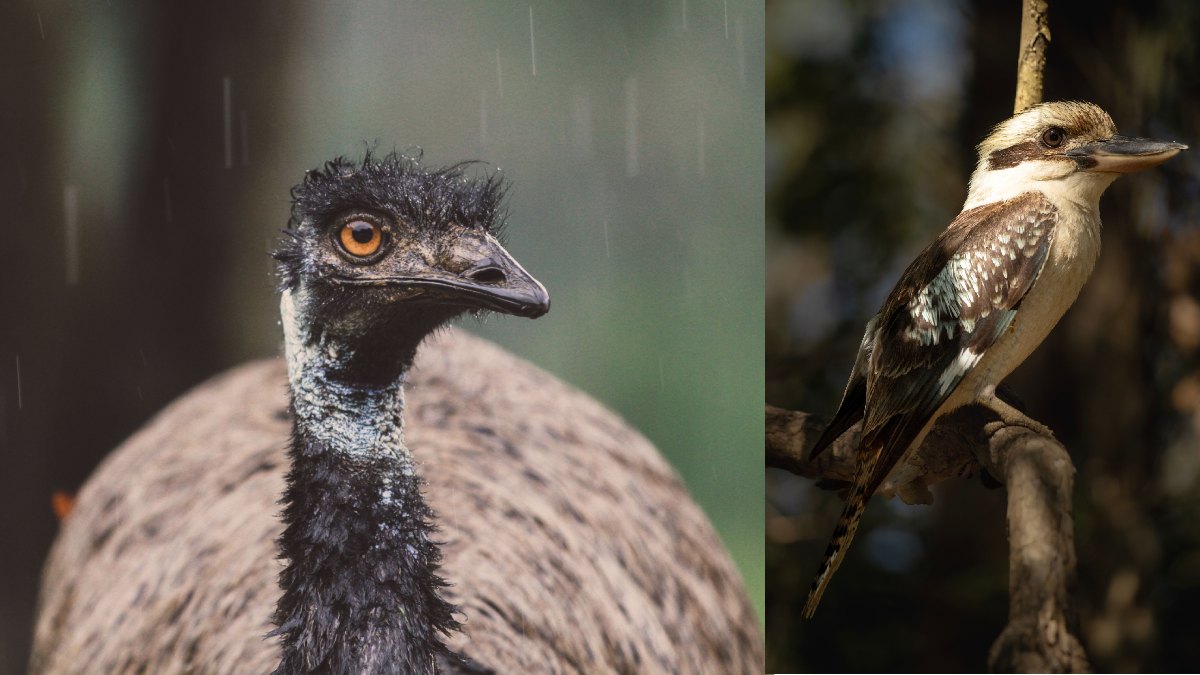
The concern goes beyond agriculture. Australia is home to the world’s most unique wildlife—nearly half of its bird species and more than 80 percent of its mammal species are found nowhere else on Earth. Scientists worry that an uncontrolled outbreak will put more pressure on vulnerable and endangered species already suffering habitat loss and climate change problems. The H5 strain has been found in waterfowl, seabirds, shorebirds, birds of prey, and even mammal species such as seals, cats, goats, pigs, and alpacas around the world.

The new discoveries come in the same week that scientists discovered more than 13,000 elephant seal pups had died in a breeding colony on the remote Heard and McDonald Islands, an Australian external territory in the sub-Antarctic. The epidemic highlighted the virus’s broad spread throughout wildlife and increased fears that it might reach the mainland. Although the current risk is low, the biosecurity agencies in Australia are on high alert to prevent the deadly virus from getting a foothold in the bird and animal populations.