Bangladesh may be considering closer defence cooperation with Saudi Arabia, Pakistan and Turkiye, and that is a development that could have far-reaching implications for the security and diplomatic environment of South Asia. Any decision by Dhaka to join such a framework will be informed by their national interest, security concerns and their broader foreign policy interests.
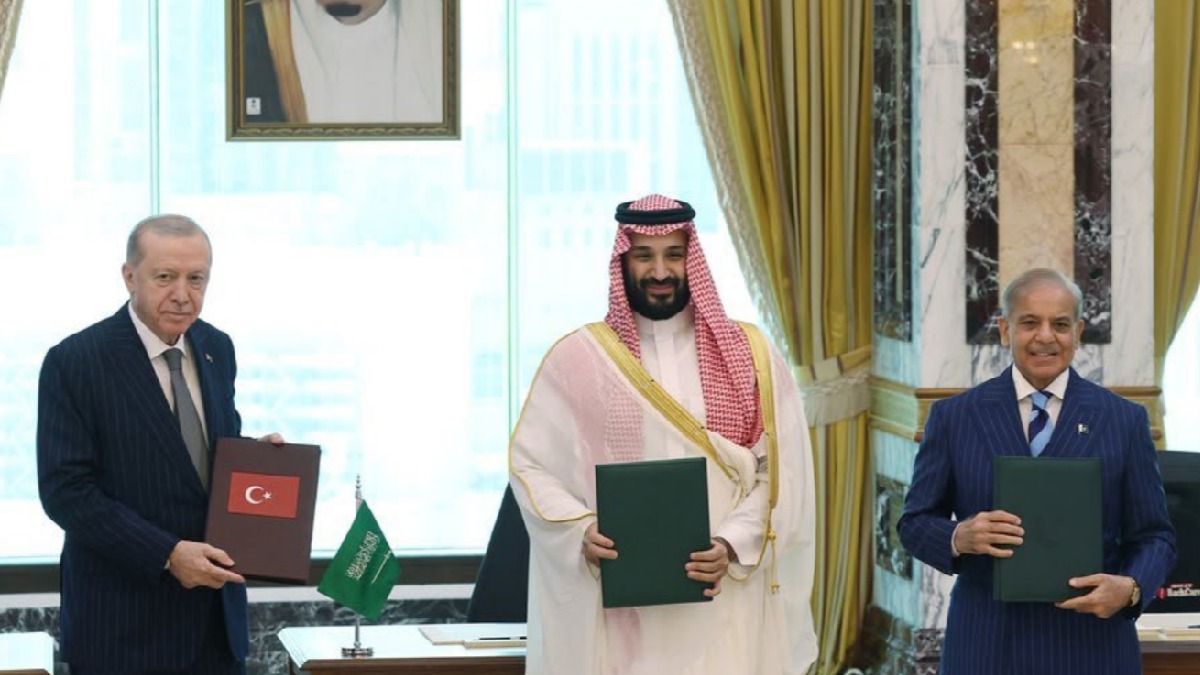
The development could take place at a time when defense partnerships are more and more important in Asia and the Middle East. Military-to-military relationships are growing and defence technology cooperation and new strategic partnerships are being strengthened and developed as a result of the regional security needs.
There are already strong defence and strategic relationships between Saudi Arabia, Pakistan and Turkiye. Saudi Arabia has immense economic and diplomatic influence in the Islamic world, Pakistan has a vast military power and experience and Turkiye has built a growing defence industry and has expanded military cooperation with countries from Africa and Asia to the Middle East as well.
For Bangladesh, having these three countries in the sphere of engagement could be a valuable tool for a better relationship. Defence cooperation might also bring in opportunities for military training, professional exchanges, arms and technology cooperation, technology partnerships and better coordination on counterterrorism and maritime security issues. The size of these advantages will, however, depend on the final structure and responsibilities of any arrangement.
Bangladesh has defence relations with many international partners and has traditionally been more flexible in its foreign policy. The Bay of Bengal strategic position of Bangladesh is a vital site for maritime security and Dhaka has a maritime security concern. A bilateral relationship with countries with advanced defence capabilities would help Bangladesh in the development of its defence forces and defence capacity so as to strengthen Bangladesh’s ability to defend its maritime interests.
Turkiye has already emerged as an increasingly important defence partner for Bangladesh. The two countries are close to bilateral relations in trade, investment, education and defence cooperation. Ankara’s growing defence manufacturing capabilities could make it an attractive partner for Bangladesh as Dhaka pursues to enhance and modernise its military capabilities.
Saudi Arabia also has long-standing ties with Bangladesh. Economic ties, labour mobility and people-to-people ties have been critical aspects of the relationship. Deepening defence cooperation could add another strategic dimension to these relations.
In the last few years Bangladesh-Pakistan relations have also been in the news as the two sides have sought out ways to enhance bilateral collaboration. A potential defence relationship with Pakistan might therefore be part of a broader move to enhance relations and strategic involvement in bilateral relations.
But Bangladesh joining a defence alliance might also be a geopolitical headache. Dhaka has good relations with India and China as well as Western countries and other regional partners. Any move that is seen as a formal alliance with a particular strategic bloc could raise questions about Bangladesh’s strategy of balancing relations with competing powers.
India would be the one watching out for any such development. Bangladesh shares a long border with India and has extensive economic, cultural and security ties with its neighbour. So developments regarding Bangladesh’s defence relationships could have implications for India’s eastern neighbourhood and the rest of the Bay of Bengal security environment.
China would also play a crucial role. Beijing is an important economic and infrastructure partner for Bangladesh and has defence relations with Dhaka. A large expansion of Bangladesh's military cooperation with Saudi Arabia, Pakistan and Turkiye could be seen in the context of strategic competition in the Indo-Pacific.
At the same time, joining or cooperating with a defence group does not necessarily mean that Bangladesh would terminate the existing partnerships. Dhaka could prefer a model which is more about practical cooperation than a military alliance. Such an approach would allow Bangladesh to benefit from defence expertise and technology while also having a greater degree of strategic autonomy.
But the potential move also illustrates how countries are increasingly adopting flexible, multi-partner foreign policies. Rather than relying exclusively on one major power, middle and emerging powers are forging relationships with multiple countries to protect their economic and security interests.
For Bangladesh, the question is whether more cooperation with Saudi Arabia, Pakistan and Turkiye could be beneficial for the country in terms of the strategic benefits of this relationship without weakening its diplomatic freedom for manoeuvre. The country’s focus on national interest suggests that economic, security and foreign policy interests will remain key factors in deciding its final position.
If Bangladesh does become part of a more general Saudi-Pakistan-Turkiye defence framework, the decision could be a watershed moment for South Asian geopolitics. It would further strengthen defence ties between South Asia and the Middle East and create new channels for military and strategic collaboration.
For now, it is just one part of a larger conversation about regional defence cooperation. The final nature of the arrangement, Bangladesh’s participation in the process and the responsibilities involved will decide its significance. Whatever Dhaka decides, however, it will be for national security and strategic flexibility in the context of a more complex foreign world for Dhaka.