Bangladesh is in the midst of one of its most serious public health crises in recent years as a deadly measles outbreak has claimed more than 1,000 children’s lives. There are growing shortages in vaccination coverage and the outbreak of infections and deaths has triggered urgent calls for more vigorous immunisation campaigns and better health care access across the country.
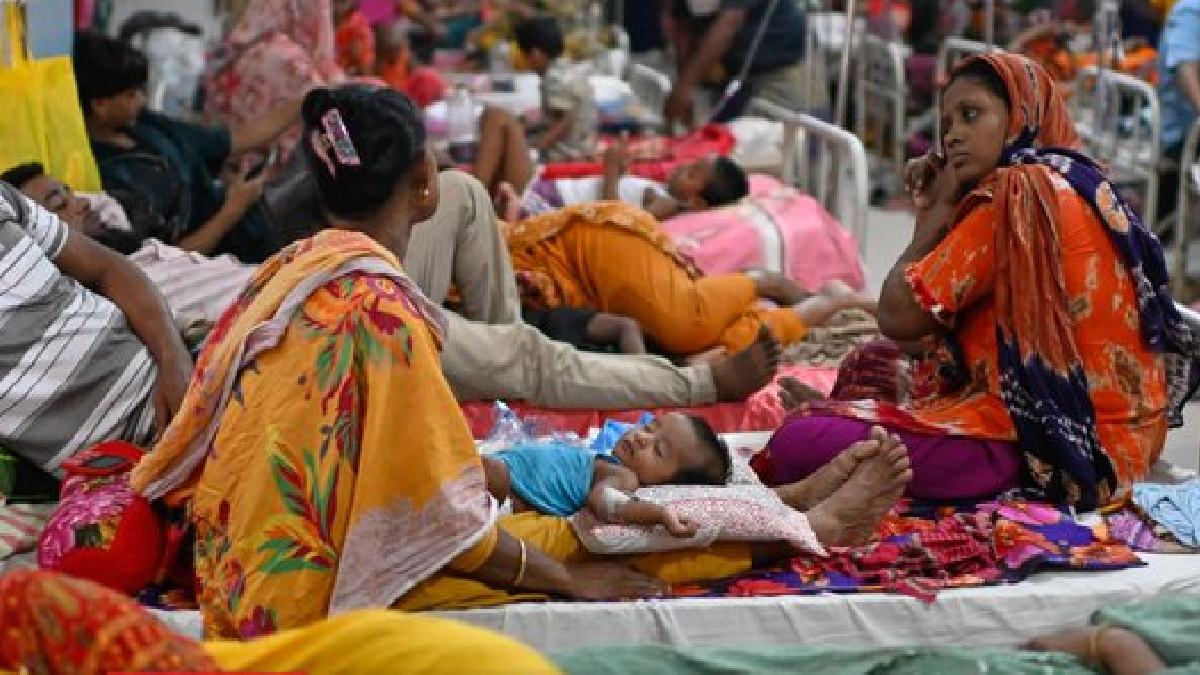
Health officials and international aid organisations worry about the rapid spread of the highly contagious disease, particularly among children who failed or were not properly vaccinated or did not receive immunisation rounds. The outbreak has exposed weaknesses in our system of medicine and risks more preventable diseases if vaccination rates are not fortified.
Measles Remains a Major Threat
Measles is one of the world’s most contagious viral diseases and mostly affects children. The disease spreads due to respiratory droplets from people coughing, sneezing or in close contact with others. Symptoms are associated with high fever, cough, runny nose, red eyes and the characteristic skin rash.
While many patients recover, measles can lead to severe complications such as pneumonia, encephalitis (brain inflammation), malnutrition, blindness and even death, especially among young children and those with weakened immune systems.
Public health experts say measles can be prevented completely by vaccination. However, outbreaks continue where vaccine coverage of vaccines is low, and this is not in line with recommended coverage.
Vaccine Gaps Under Scrutiny
The current outbreak has brought attention to vaccination gaps in several areas of Bangladesh. Health care experts say disruption of routine immunisation programs and access to healthcare in remote communities, misinformation about vaccines and logistical difficulties have led to a decline in vaccination rates in some areas.
Children who did not receive their vaccine doses are particularly vulnerable to infection, officials say. Children’s vaccination coverage is key, and even a slight decrease in coverage leads to the fast spread of measles.
Experts say that high vaccination coverage is essential because measles needs very high community immunity to prevent outbreaks. When enough people are vaccinated, the virus struggles to spread, protecting even those who cannot get vaccines for medical reasons.
Government and Health Agencies respond
As the epidemic continues to escalate, Bangladesh’s health authorities have intensified efforts to fight the outbreak. Emergency vaccination drives have been launched in a number of affected districts in which children who did not receive the recommended doses of the measles vaccine have been targeted for vaccination campaigns in the affected districts, according to the health authorities.
Healthcare workers are doing awareness campaigns to inform parents of the importance of immunisation and ensure that families bring eligible children to get vaccinated. Disease surveillance systems are also being strengthened to prevent further transmission, and new cases are being identified faster when they arise in the country.
International organisations and public health agencies will provide technical assistance, vaccine supplies and logistical support to contain the outbreak and prevent further casualties.
Impact on families and communities
The outbreak has had a devastating impact on families around affected regions. Many communities are mourning the loss of young children, and healthcare facilities are under increasing pressure due to rising patient numbers.
Public health experts say outbreaks of vaccine-preventable diseases can cause a major burden on health systems, especially in developing countries where medical resources may already be stretched.
The tragedy is an example of the critical role vaccines play in protecting children from life-threatening diseases. This is why people say we need to carry on vaccination programs, public awareness campaigns and better healthcare access for the future, because that’s the only thing that is going to prevent another big crisis.
For Bangladesh to combat the outbreak, health authorities are calling on parents to make sure their children are being provided the vaccines recommended to receive all the recommended vaccine doses. The next few weeks will help us to know if emergency measures will be crucial to stopping the spread of the disease and to prevent the disease to slow the disease to prevent young lives from being lost in a long time of death and the loss of others.