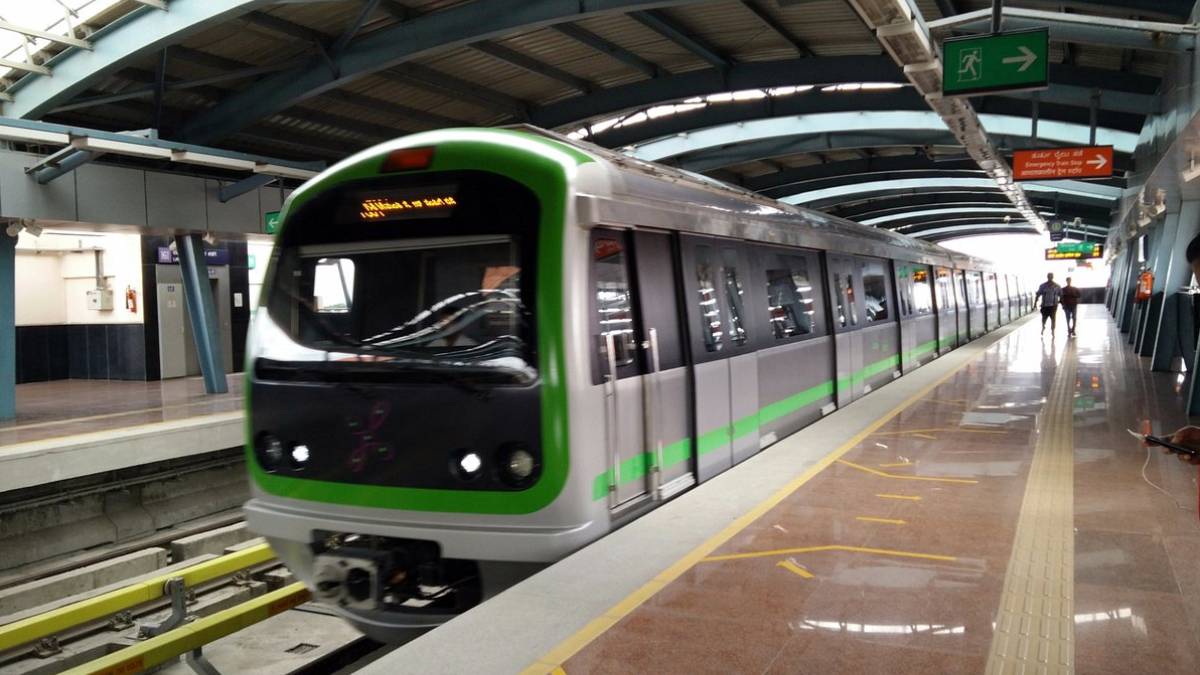
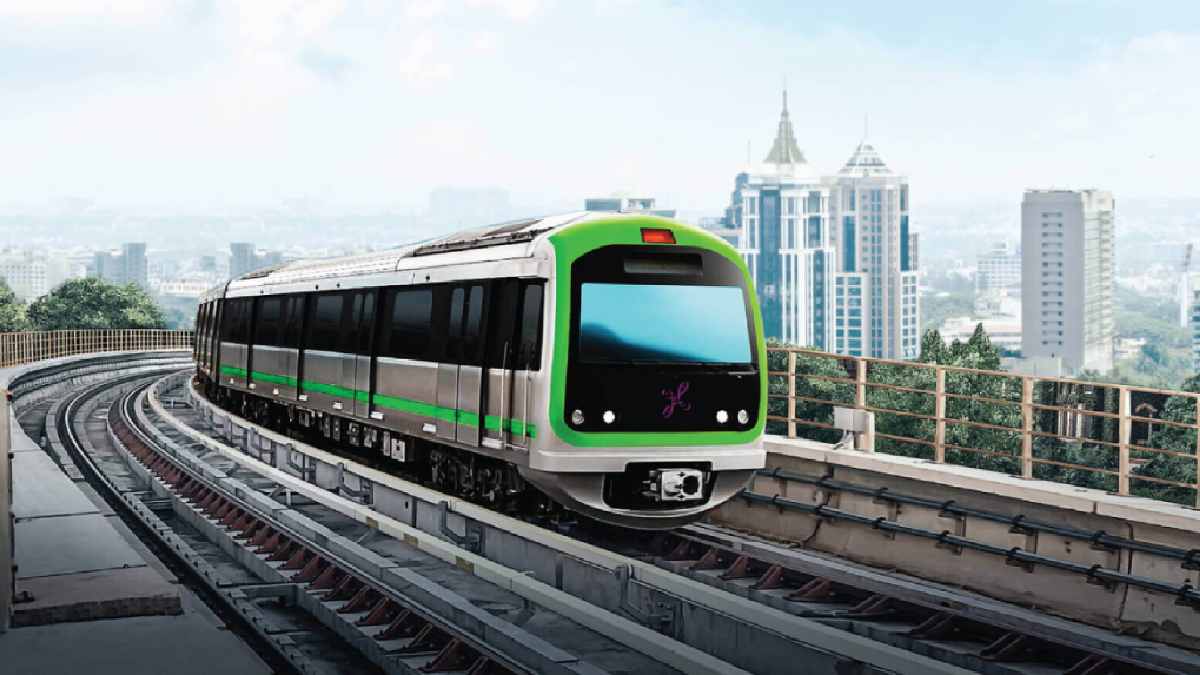
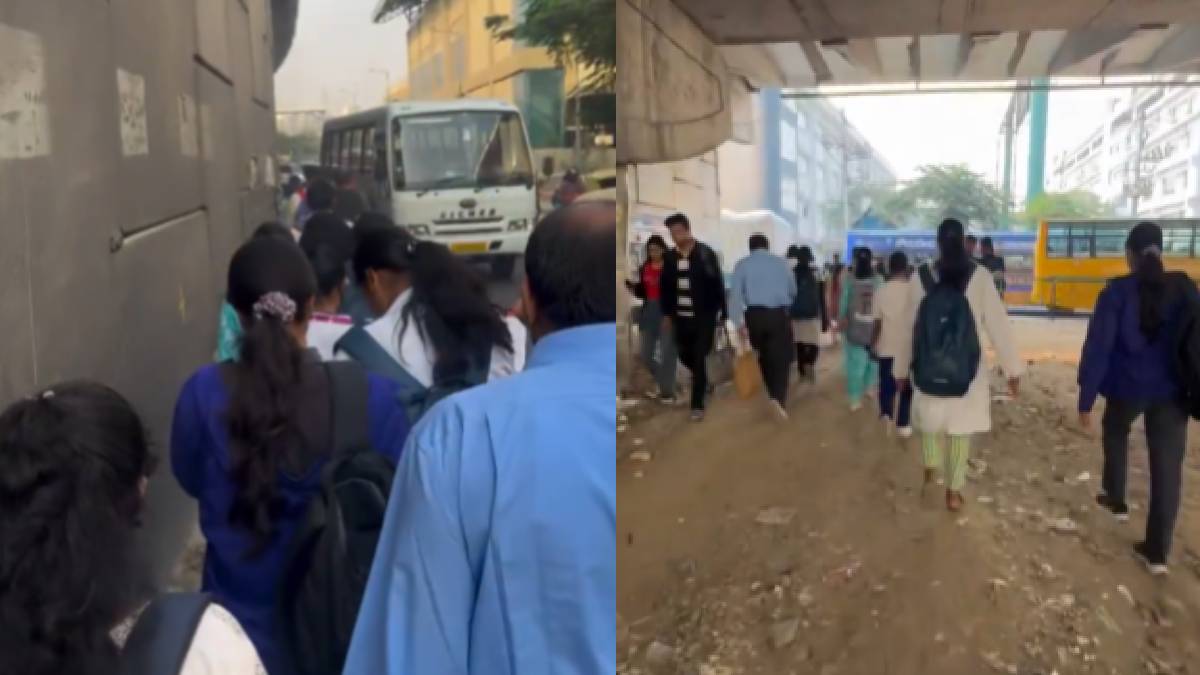
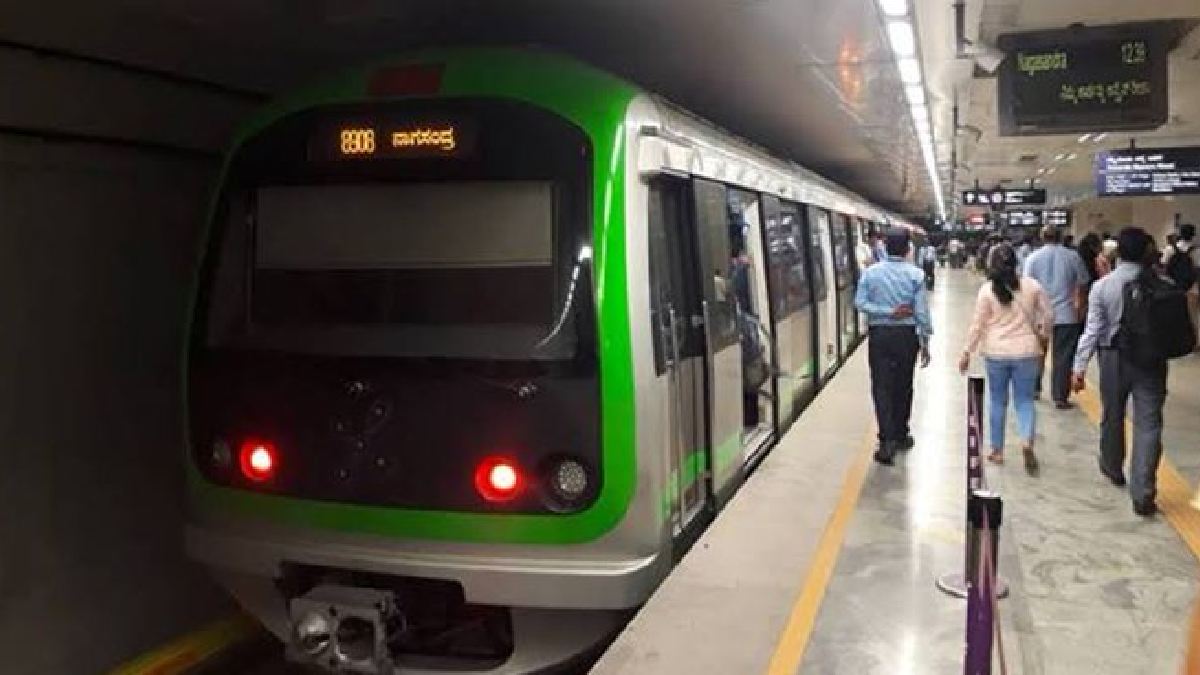
Bengaluru residents are set to get a major boost in public transport connections, with 200 new AC mini buses for Metro feeder services across the city planned for Metro feeder services to be introduced. The program is intended to enhance last-mile connections by connecting residential neighbourhoods directly to Namma Metro stations in the city's nearby Namma Metro stations for a more direct connection.
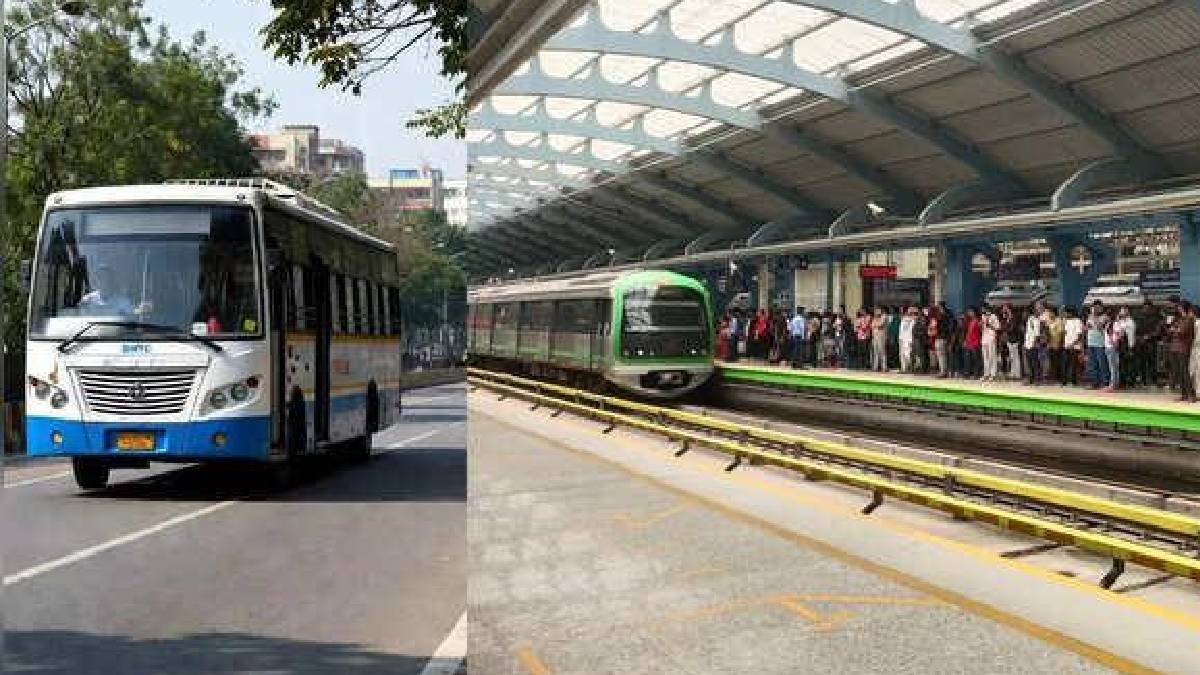
The proposed feeder services are expected to operate within a 5 km radius of Metro stations and will make it possible for commuters to travel from the interior of a residential layout to Metro stations without needing to depend on autos, private vehicles or cabs.
The move could be particularly useful for residents living in areas where Metro stations are relatively close but difficult to access through existing public transport services.
200 AC Mini Buses for Metro Feeder Services
The 200 mini buses will be part of the wider expansion of Bengaluru Metropolitan Transport Corporation (BMTC) fleet. BMTC is expected to receive electric buses in phases under the PM E-DRIVE scheme.
As part of the fleet expansion plans, 200 mini AC buses have been earmarked for Metro feeder operations. Their smaller size is expected to enable them to navigate narrow streets and residential streets in which the conventional city buses may struggle.
The primary goal of all this is to get commuters to know that there is a connection to their neighbourhood in the vicinity of the nearest metro station.
Hence, many Bengaluru residents still face a challenge to reach a metro station even as the metro network in the city gets bigger. A station is a few kilometres away, but if one doesn’t have feeder transport for it, a long journey can be a bit more inconvenient for many.
Last-Mile Connectivity Could Improve
The new feeder bus services are expected to fill this last-mile connectivity gap.
Commuters in several residential areas these days use cars, taxis, two-wheelers or private cars to reach Metro stations. This is expensive to travel for and could discourage people from using public transport for their daily commute.
And the smaller AC buses that come into service could give commuters another affordable and comfortable option.
The services are also expected to benefit people living in the interior parts of large layouts and residential neighbourhoods. Residents might be able to access feeder services closer to their homes rather than travelling down a main road to catch a bigger bus.
Improved feeder connectivity may also encourage more Bengaluru residents to combine bus and Metro services for their daily journeys.
BMTC fleet to get more electric buses
BMTC is also looking to expand its electric bus fleet. In total, around 4,500 electric buses are planned to be added to BMTC in phases under the PM E-DRIVE programme.
The switch towards electric buses will be supportive to Bengaluru in promoting cleaner public transportation and also to expand the city's bus fleet.
The introduction of smaller electric AC buses for feeder services would be a good combination of comfort, access and low-emission public transport.
Mini buses are also better suited to roads in densely populated neighbourhoods, where larger buses may not be able to operate efficiently.
New features planned for BMTC Mobile App 2.0.
BMTC is also working on improving its digital services through BMTC Mobile App 2.0, along with the physical expansion of its bus network.
One of the proposed features is to make BMTC bus information available to cab platforms such as Ola and Uber users. Passengers could see BMTC buses that can take them to their destination after they complete a cab ride or get down at a particular location.
It’s such integration that commuters might be able to identify public transport options for the next step of their journey.
The real-time or route-related bus data on digital platforms could also make passengers consider BMTC instead of booking another private cab for shorter distances.
Bengaluru Commuters Could Benefit
The combination of Metro expansion, feeder buses and better digital information could strengthen Bengaluru's integrated public transport system.
For Metro users, the main benefit may be easier access to stations from residential areas. For BMTC, feeder services could increase ridership and increase the effectiveness of the wider public transport network.
The 200 AC minibuses are thus going to play a key role in overcoming Bengaluru’s last-mile connectivity problems. If they are used properly, the services could make Metro travel more convenient for the people living beyond walking distance from stations.
Bengaluru traffic congestion and increasing travel demand may help to improve the coordination of buses and Metro services so that more commuters take public transportation rather than just driving.
The feeder network and future digital features could thus be a key step in making public transportation in Bengaluru convenient, connected and commuter-friendly.