Deep divided rain and strong winds caused widespread flooding in Dubai, pushing parts of the desert city to a standstill and raising existential concerns about where the city could be during disasters.
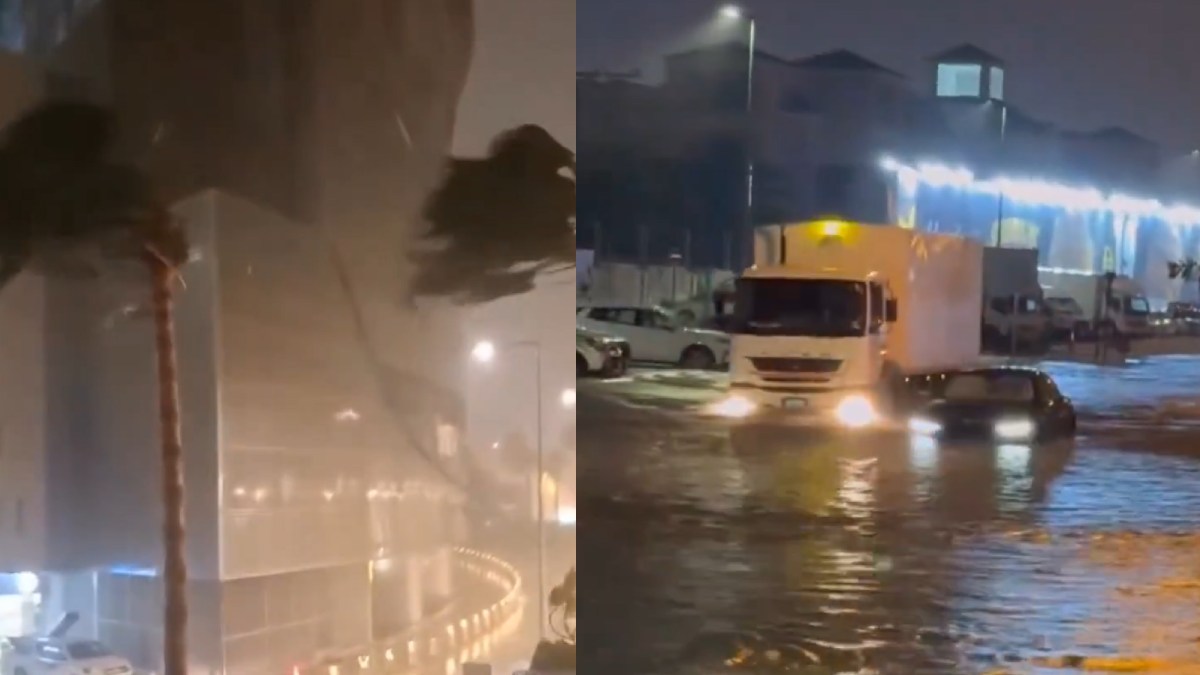
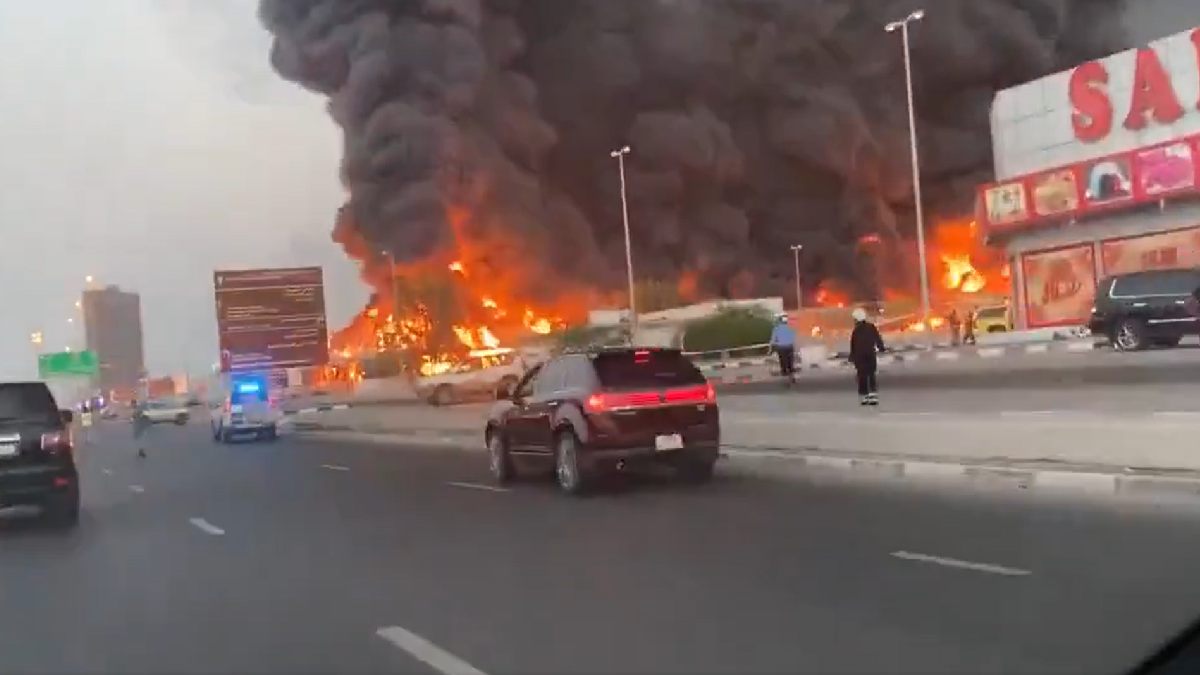
Internet video images shown on social media show roads were inundated, cars stranded and water getting within them and in residential and commercial areas. The sudden downpour and strong winds and thunderstorms had destroyed the city’s current infrastructure, which doesn’t usually cope well with that kind of rain.
With its vast arid climate, Dubai gets very little rain every year. As a result, drainage systems, a common feature in the more wet of cities that can produce rainfall, are restricted. This has meant that in exceptional and rare rainy storms, there is water which collects on roads and the low-lying low incomes region of Dubai.
Online, an alternative is on the rise and is already well known in many countries: some say that they feel Dubai’s futuristic skyline isn’t equipped to handle a chaotic weather pattern– so would no storm shelter.
That said, these extreme weather events are rare in many parts of the world, and so infrastructure has long prioritized heat, sandstorms, and water scarcity. Climate variability, on the other hand, is now forcing city-based development so a lot more like Dubai to consider urban planning and resilience in the future.
Emergency teams help police control traffic, water pumping out and life goes like normal. Flights and life in many places have been affected due to the sudden weather disruption.
The incident is a wake-up call, not just for Dubai but also among many rapidly growing cities in desert areas of the world. Climate patterns might change so much that it could require such poorer areas when there is rain to invest in stronger drainage systems and disaster response efforts or equipment all over the world.
Though the flooding images from a desert city were stunning it demonstrates an important reality— no city is immune to extreme weather, and preparedness is important.