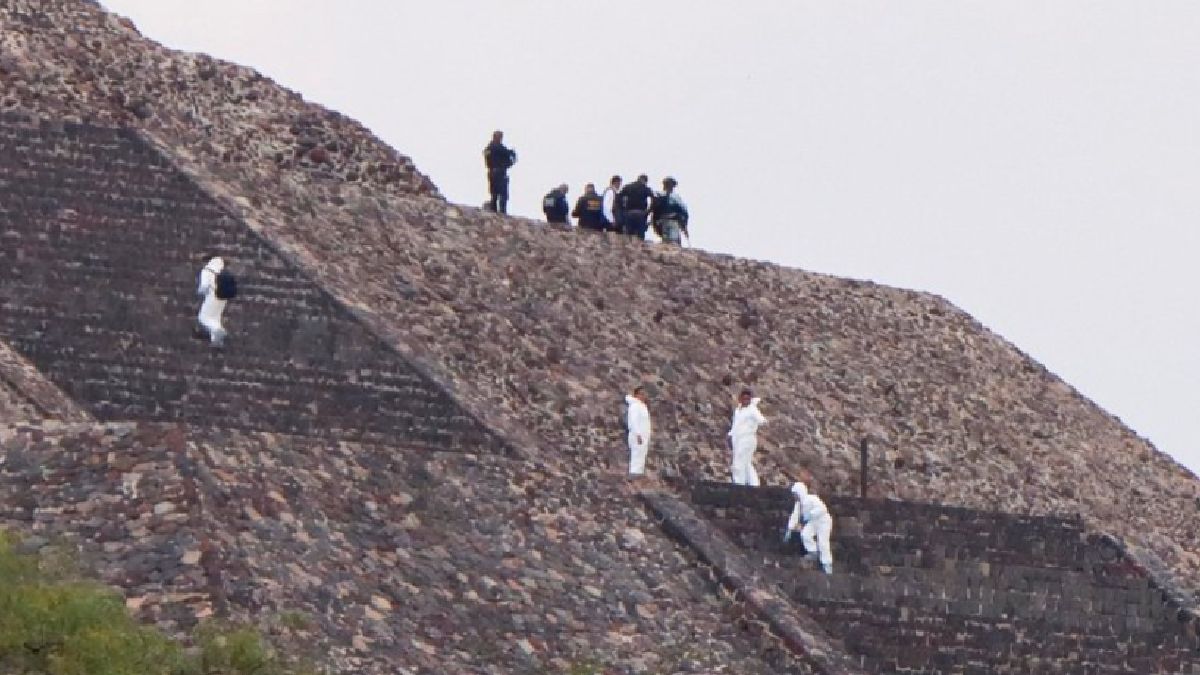
In an alarming shift for North American security, Nemesio Oseguera Cervantes, the elusive leader of the Jalisco New Generation Cartel (CJNG) called “El Mencho,” was killed in a high-stakes military operation on Sunday, February 22, 2026. The 59-year-old kingpin, who had eluded capture for more than a decade, died from injuries sustained during a fierce gunbattle with Mexican Special Forces in the town of Tapalpa, Jalisco.
And although the boots on the ground were Mexican, the fingerprints of the Trump administration are everywhere a sure sign in the current U.S. president’s belligerent anti-cartel campaign. Trump Administration’s Strategic Involvement. El Mencho was also not eliminated by Mexico in a vacuum.
White House Press Secretary Karoline Leavitt said the operation stemmed from “critical intelligence support” offered by the United States. In the wake of President Trump’s 2025 Executive Order that classified the CJNG as a Foreign Terrorist Organization, a new high-ranking task force, the Joint Interagency Task Force-Counter Cartel, was established to take apart the group’s leadership. This task force was said to have fashioned the “target package” that enabled Mexican forces to locate El Mencho in his rural stronghold.
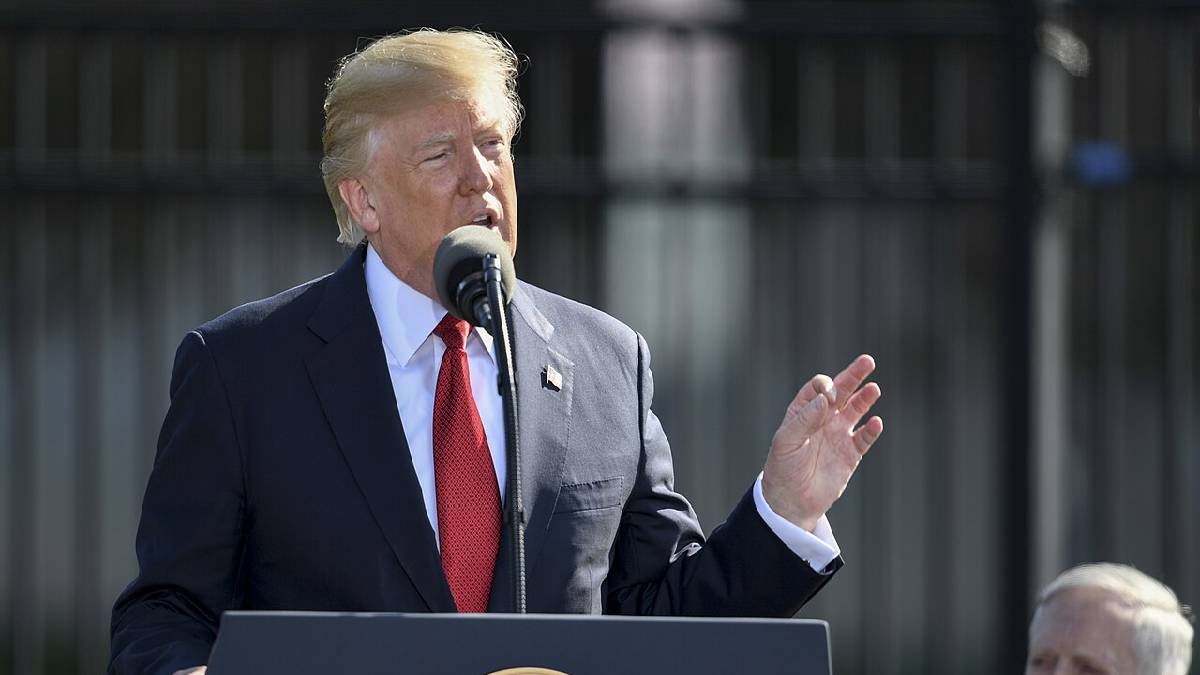
President Trump, as ever, conceded the success in a cryptic post on Truth Social, declaring, "We’re winning too much, it’s just not fair!" The administration’s involvement marks a break with previous years’ “hugs not bullets” rhetoric, and marks a move instead toward a high-pressure collaborative model where U.S. intelligence directly fuels Mexican military kinetic action.
Who Was El Mencho and the Rising of the CJNG?
In order to comprehend the meaning of his death, we need to comprehend the man who constructed an “empire of fentanyl.” Born into poverty in Michoacán, El Mencho was a former police officer who entered the criminal underworld after being deported from the U.S. back in the 1990s.
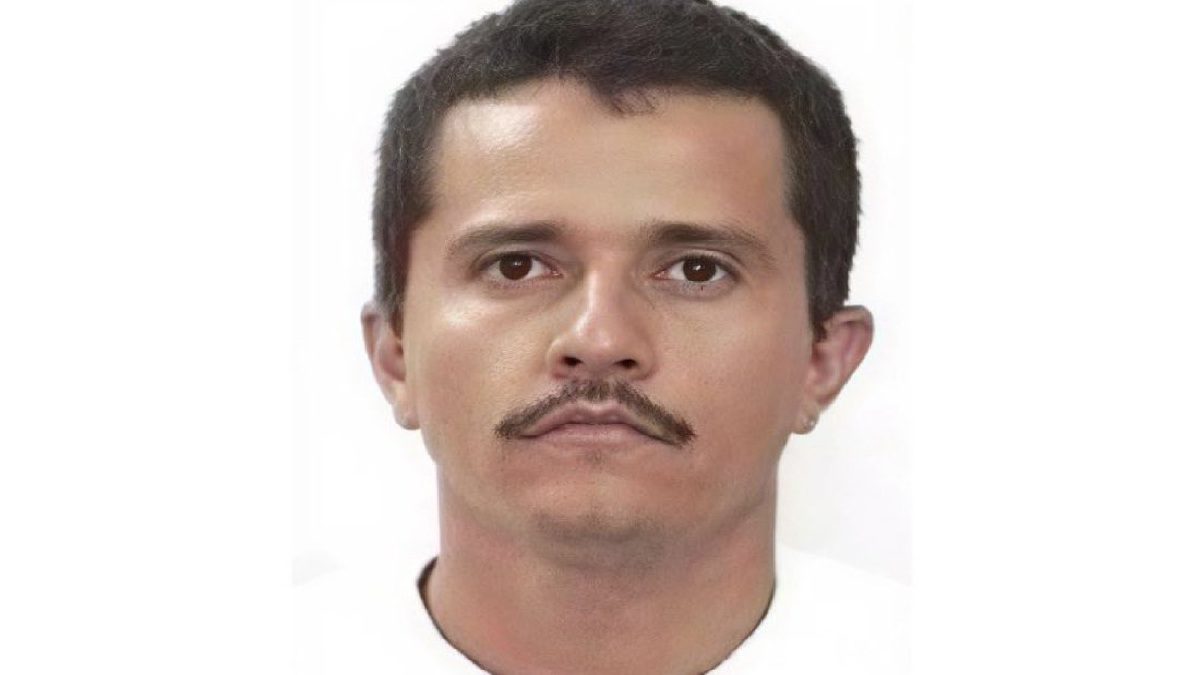
He also co-founded the CJNG around 2011 at an earlier time, disjoining the Milenio Cartel. Under his leadership, the CJNG grew into the most technologically sophisticated and paramilitary-oriented criminal syndicate in Mexico. Unlike traditional cartels, El Mencho’s association operated as a shadow army, firing rocket-propelled grenades (RPGs) to shoot down military helicopters, including special “SWAT” teams to conduct city warfare.
At the time of his killing, the DEA estimated that the CJNG had been responsible for trafficking at least a third of all drugs that entered the United States, including fentanyl, a synthetic drug that killed thousands.
The Result: A Nation on the Boil
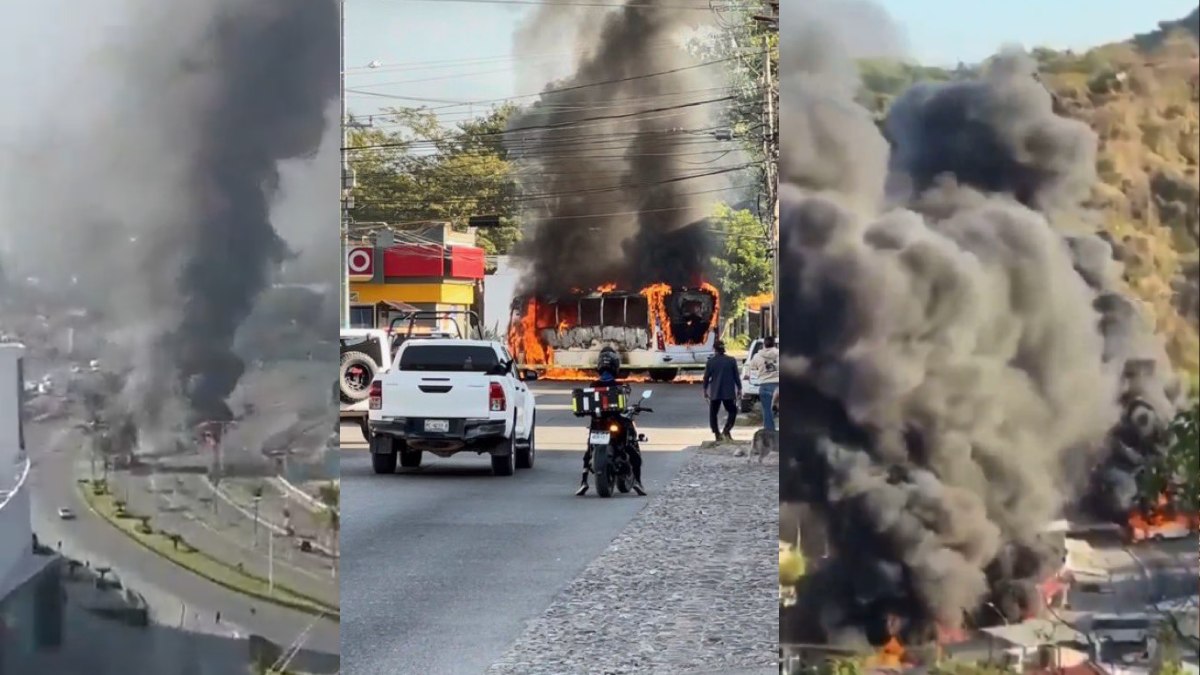
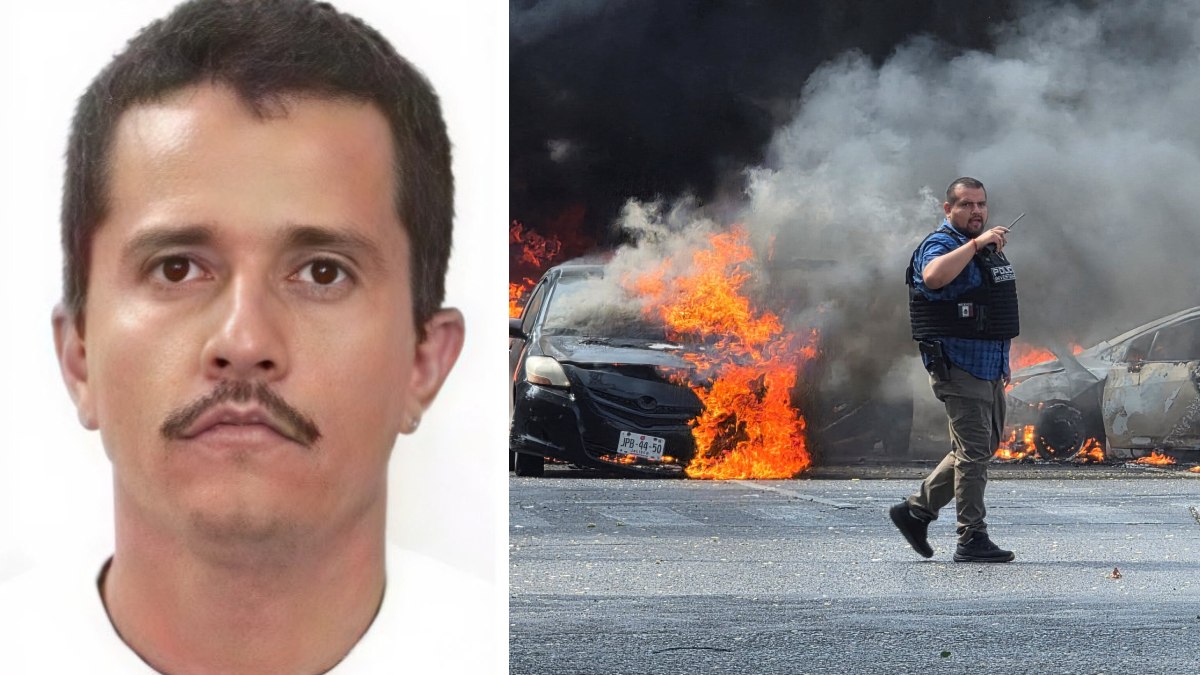
CJNG’s “decapitation” has triggered immediate havoc across Mexico. Retaliatory “narcoblockades” began in a dozen states, with cartel henchmen torching buses, supermarkets and gas stations, aiming to paralyze the country.
“Code Red” in Jalisco remains, and the Indian, U.S. and Canadian embassies have released urgent “shelter-in-place” orders for their citizens. The death of El Mencho is a grand triumph for the Trump administration’s security agenda, but the chasm left behind constitutes a new threat.
To the security analysts, a bloody internal power struggle among El Mencho’s lieutenants is almost certain, possibly inflaming the chaos of the months just before the 2026 World Cup, to which Mexico is set to co-host. The so-called "Lord of the Roosters," for now, is gone, and his time of unassailable rule comes to a bloody close.