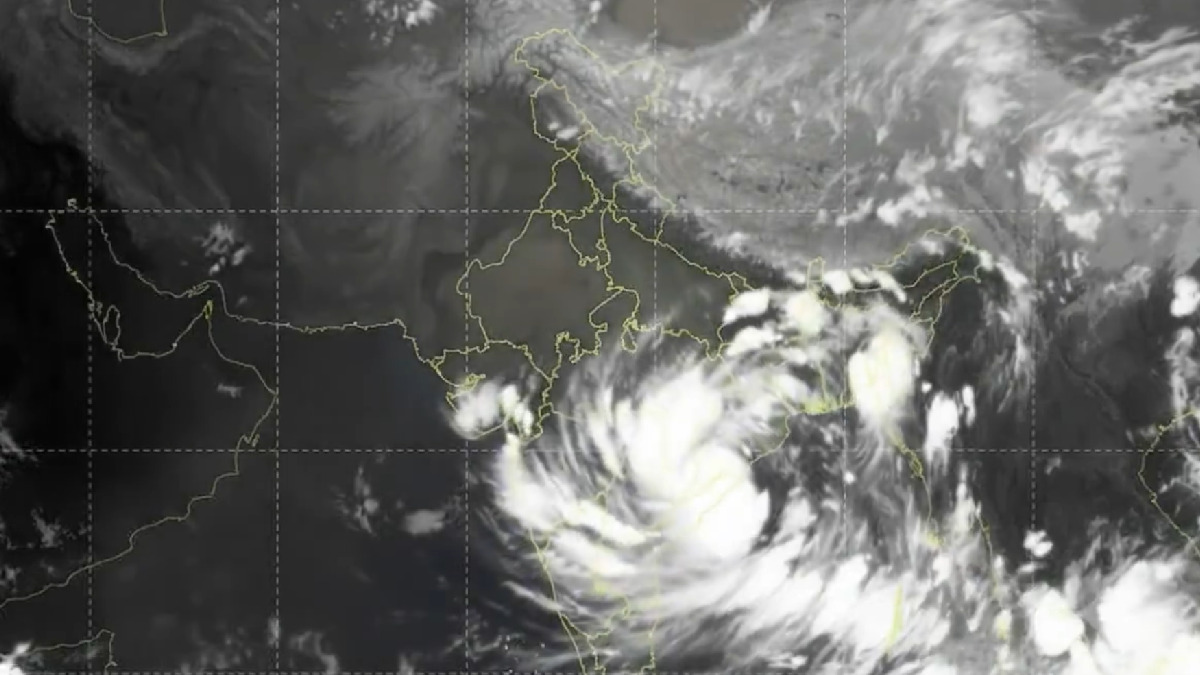
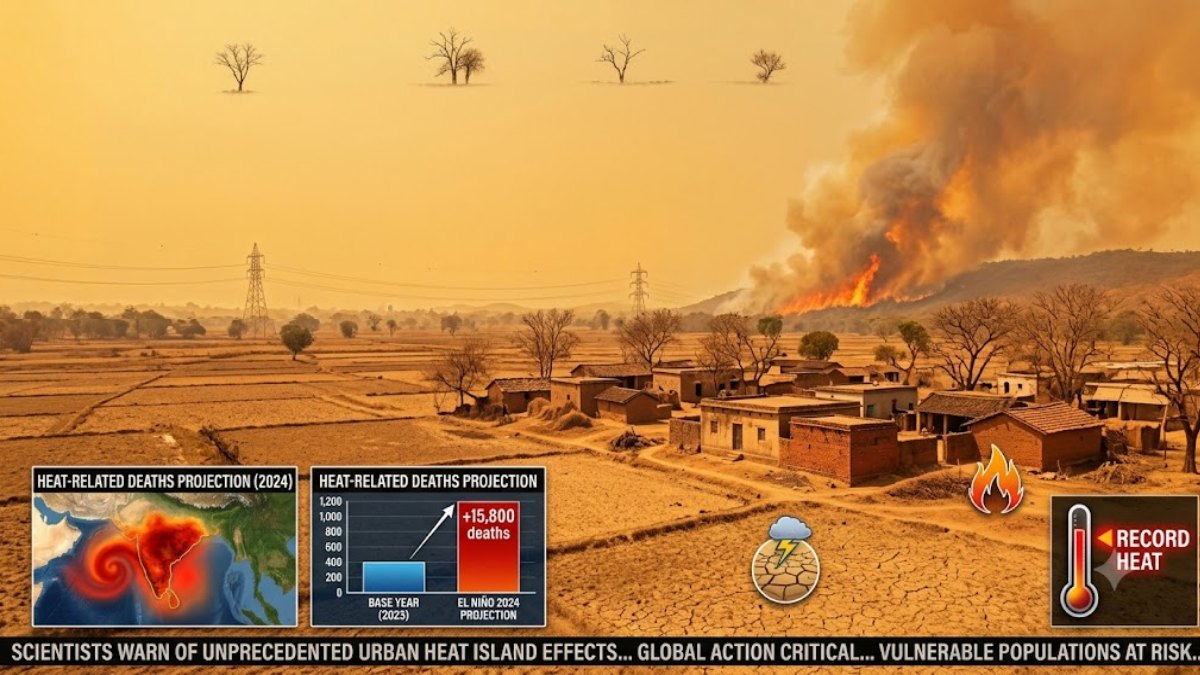
Climate scientists around the world are closely monitoring an extraordinary El Niño event that is rapidly strengthening in the Pacific Ocean and could become the most powerful in at least 1,000 years. Researchers and weather agencies warn that the phenomenon may trigger severe weather disruptions, agricultural losses, food insecurity, and economic challenges across multiple continents.
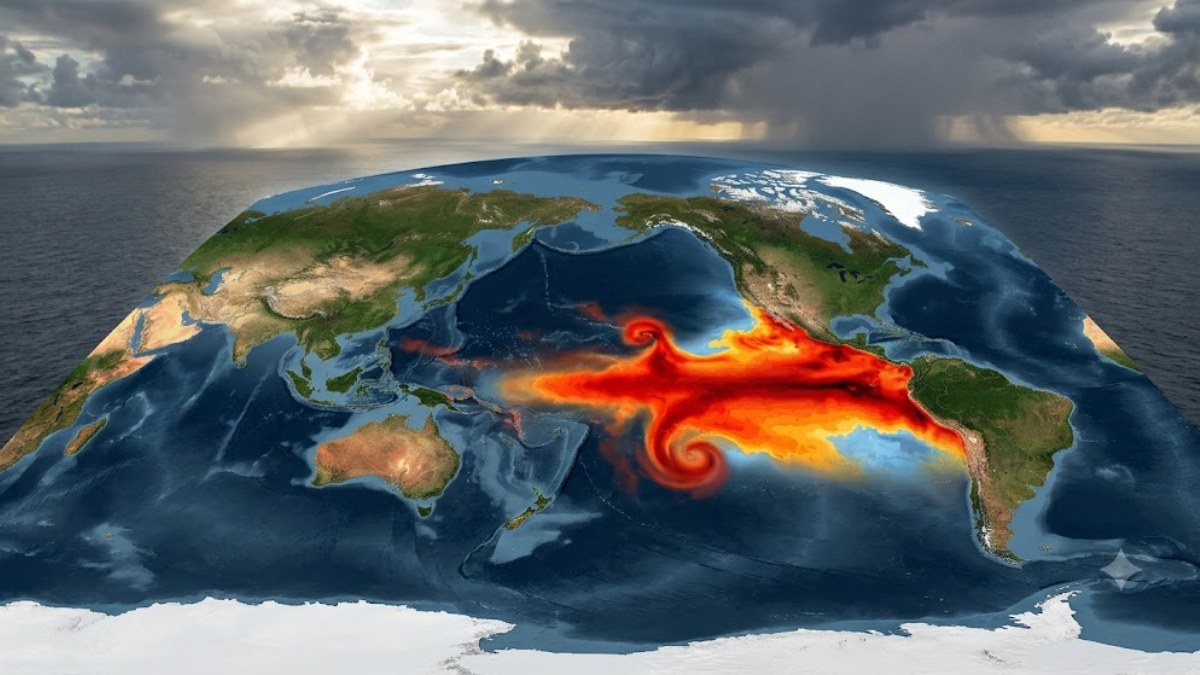
El Niño is a naturally occurring climate pattern characterised by unusually warm sea-surface temperatures in the central and eastern Pacific Ocean. The phenomenon influences weather patterns worldwide, often bringing droughts to some regions while causing excessive rainfall and flooding in others. Scientists say the 2026 event has already surpassed several key benchmarks months before its expected peak later this year.
Recent observations show sea-surface temperatures in parts of the tropical Pacific have climbed above levels seen during the record-breaking 2015-16 El Niño. Some climate models suggest the event could strengthen further through November and December, potentially becoming the most intense El Niño since modern observations began.
A major study based on coral records from the Galápagos Islands found that El Niño events over the last four decades have been significantly stronger than those experienced during the previous millennium. Researchers reconstructed ocean temperatures dating back to around the year 1000 and concluded that recent El Niño activity stands apart from natural variability seen before the industrial era. The findings add to growing evidence that human-induced climate change may be amplifying the intensity of El Niño events.
Scientists believe the combination of El Niño and long-term global warming could create a particularly dangerous situation. Rising global temperatures have already increased the amount of heat stored in the atmosphere and oceans. When a powerful El Niño develops on top of that warming trend, it can significantly increase the likelihood of heatwaves, droughts, floods, wildfires, and severe storms.

Several regions are already experiencing impacts linked to the developing climate event. Southeast Asia faces heightened risks of drought and reduced agricultural output, while parts of Central America are dealing with concerns over food security and rising costs of essential commodities. Reduced rainfall in some areas and excessive precipitation in others are expected to affect millions of people worldwide.
Experts warn that major agricultural producers could see lower crop yields, potentially affecting global supplies of rice, palm oil, and other staple commodities. Disruptions to fisheries, water resources, and transportation networks are also possible. Some economic analyses estimate that the broader financial impact of this El Niño could run into trillions of dollars over the coming years if extreme weather events intensify.
The World Meteorological Organisation and national weather agencies continue to monitor developments closely. Forecast models indicate a high probability that El Niño conditions will remain strong through late 2026 and into early 2027, influencing weather patterns across the globe.
While scientists emphasise that individual weather events cannot be attributed solely to El Niño, they agree that the current event is exceptional. As it continues to strengthen, governments, farmers, businesses, and disaster-management agencies are being urged to prepare for potentially significant climate-related impacts in the months ahead.