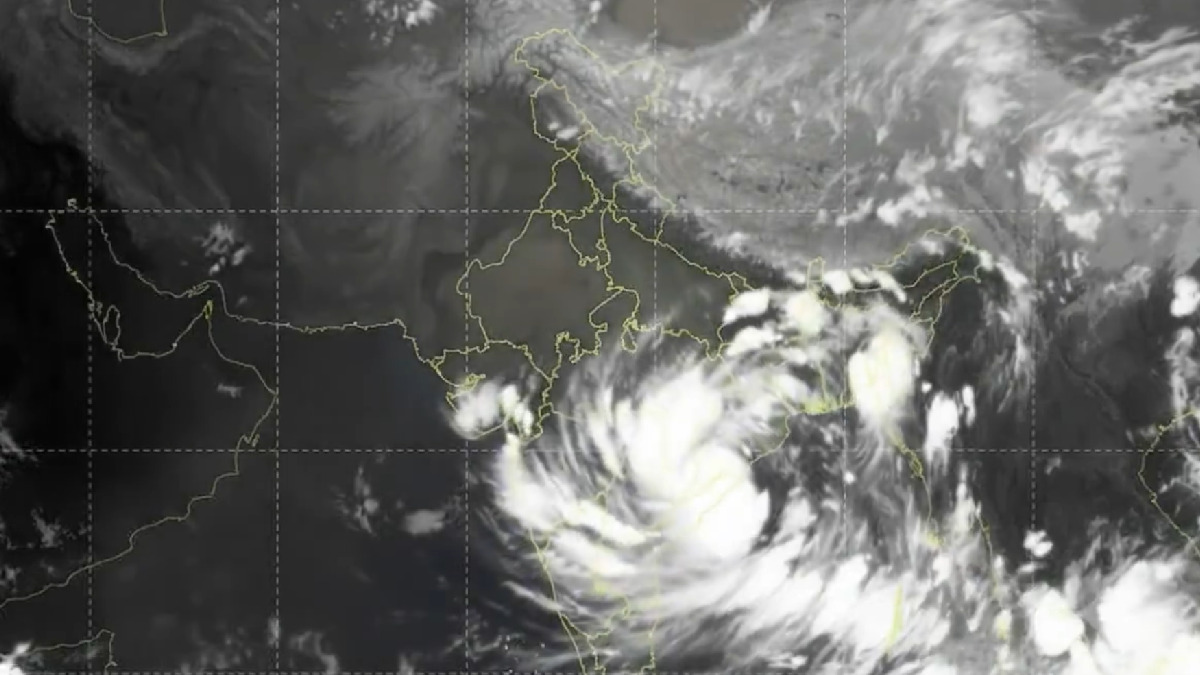
India could see an additional 15,800 heat-related deaths between September 2026 and February 2027 as an unusually strong El Niño event pushes temperatures higher across much of the world, according to a new report by the Climate Impact Lab at the University of Chicago. The estimate places India among the countries most likely to suffer a significant heat-related mortality burden for the six months in question.
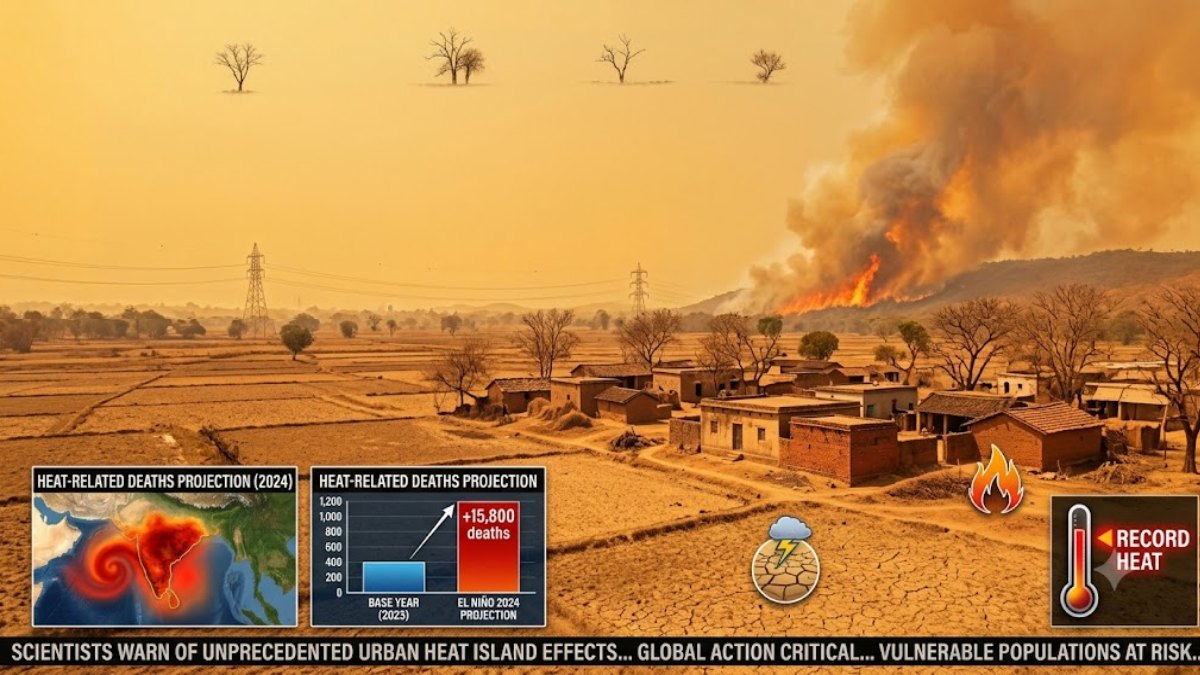
The figure is a projection of excess deaths, not a count of deaths that have already happened. Researchers compare the expected number of heat-related deaths to what would normally occur in an average year through historical temperature and mortality relationships. India is expected to rank fourth among the countries with the highest number of additional heat-related deaths during the forecast period, according to the report.
Almost 7,400 Deaths Projected Between December and February
The most worrying thing is that the heat effect on India could be particularly acute during the usually cooler months. Between December 2026 and February 2027, the report estimates 7,400 additional heat-related deaths (over half of India’s projected excess mortality in six months) as a result. And the risk will only increase after February when India enters its hotter summer months, the researchers say.
The unusual winter heat risk is particularly significant for southern India. Northern India usually has relatively cool winters in that region, and heat does not lead to many deaths in that period. Southern India, however, is generally warmer in winter, and more warming may lead to more deaths from heat-related causes.
What Is Driving The Heat Risk?
El Niño is a natural climate pattern associated with unusually warm sea-surface temperatures in the central and eastern tropical Pacific Ocean. It can influence atmospheric circulation, rainfall and temperatures well outside the Pacific region.
We have referred to the current event as a "Super El Niño" in the report, but it is not an official category of the World Meteorological Organisation. WMO typically classifies El Niño events as weak, moderate, strong or very strong. The current event is expected to become stronger and reach its peak around November and December.
The Climate Impact Lab estimates that global land temperatures could remain around 1.2°C above normal for the next few years, and 44% more extremely hot days than would be expected. Scientists say the combination of El Niño and an already warming climate could amplify heat exposure in vulnerable populations.
More Than 450,000 Heat-Related Deaths Worldwide
There is potential for impact beyond India. The Climate Impact Lab forecasts that there will be 451,000 additional heat-related deaths worldwide in the current El Niño season (September 2026 -- February 2027), and 239,000 during the current period. The report suggests that countries in the Global South will bear the bulk of the burden.
The Sahel region is expected to see around 66,800 additional deaths, including 31,400 in Nigeria, 17,500 in Sudan, 10,000 in Niger and 8,000 in Chad. Indonesia may see 19,300 more deaths, and the Philippines, Vietnam, Thailand and Cambodia combined will account for 19,400. Brazil is expected to have another 13,300 heat-related deaths.
Experts Call for Early Action
They say forecasts also provide governments with a chance to take preventive measures before the most dangerous period arrives. Early heat-warning systems, cooling centres, hydration facilities, protection for outdoor workers and more capacity in healthcare facilities are suggestions for the future.
The results of this report, for India, highlight the importance of preparing for not just summer heatwaves, but also for unusually warm conditions when communities don’t have the same experience of severe heat. If the unusually warm conditions persist, India’s heat-related mortality will also rise and continue to rise into the summer of 2027.
So the report is a warning about the potential health consequences of the changing climate pattern. While the 15,800 figure is an estimate based on models and not a fact, researchers say it can help governments identify vulnerable regions and improve preparations before extreme temperatures result in the loss of life.