Freshwater is now one of the West’s biggest environmental and economic challenges, with rivers in Europe’s heartlands shrinking to historic lows and reservoirs in the American West struggling under prolonged drought.
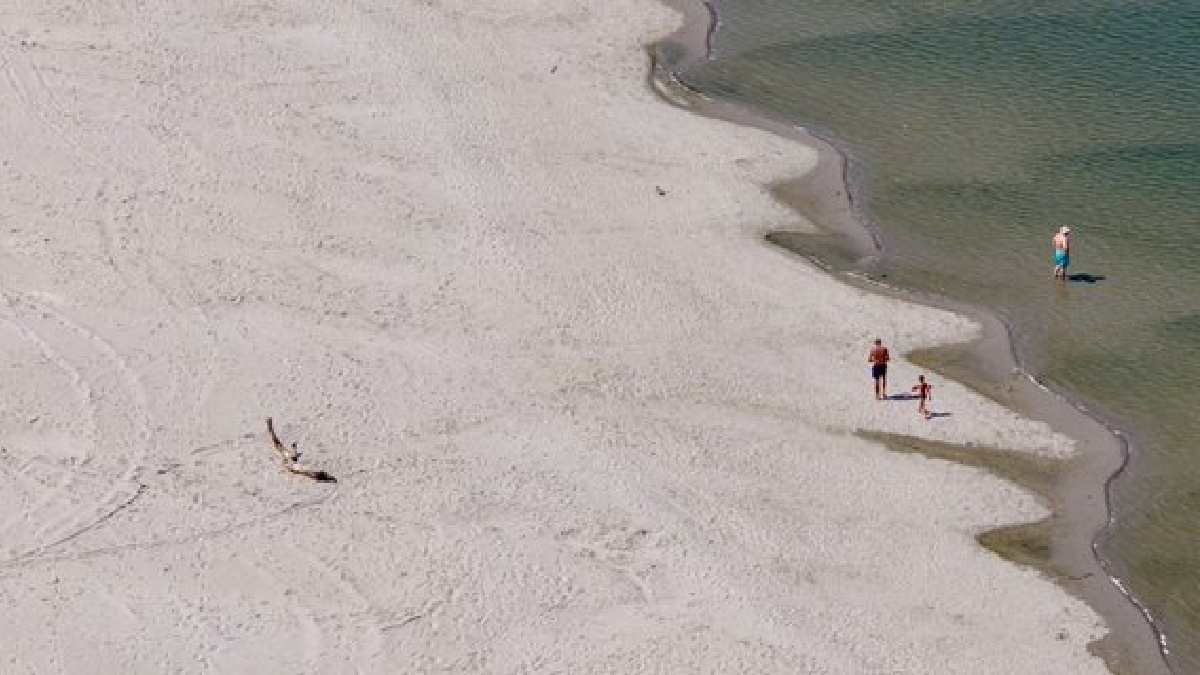
The warning signs have become more and more difficult to ignore in Europe. The Danube and Rhine, two of the continent’s most important rivers, have particularly low water levels this summer.
In both central and western Europe, the Joint Research Centre of the European Commission has estimated that drought is worsening in central and western Europe, where river flows are below normal, soil moisture is low and heat is increasing water stress.
The consequences are far beyond the environment. Lower river levels are hitting shipping, agriculture and electricity generation.
Hungary and Romania have struggled to operate nuclear power plants that depend on the Danube for cooling water and reduced river flows have also had an impact on hydropower production and commercial transport.
Agriculture is another major casualty. Farmers in many European countries are describing damaged crops as rain is less frequent and irrigation supplies are harder and harder to come by.
Water scarcity is already affecting much of Europe and its population, and climate change is expected to cause longer and more severe droughts in the future.
But across the Atlantic, the American West is also dealing with a similar problem. The Colorado River, a vital water source for seven U.S. states and Mexico, is under severe strain from years of drought.
The U.S. Bureau of Reclamation said in April that Colorado River system storage amounts to about 36% of capacity and snowpack is very poor.
The crisis will affect communities, farms, ecosystems and energy supply in the region. The Colorado River system is losing water content and the flow of the reservoir is dropping. Federal officials have already started to act to protect critical reservoirs as hydrological conditions deteriorate.
What makes the situation so worrying is that freshwater shortages aren’t just a problem of dry regions.
Europe has witnessed that even areas once considered water-rich are now experiencing serious shortages due to extreme heat, low rainfall, depleted groundwater and high demand.
Climate change is driving these pressures up, but water scarcity is also linked with consumption, agriculture, infrastructure and long-term water management.
The European Environment Agency also states that freshwater resources are under pressure due to pollution, overuse and climate change.
The message is growing louder: water security is no longer a distant environmental concern.
For governments, businesses and communities in Europe and the American West, freshwater supplies are a top economic, agricultural and public-policy priority.