A centuries old Indian spiritual tradition is coming to London’s most famous landmark. A Ganga Aarti ceremony will take place on the banks of the River Thames in the heart of the British capital in the coming week.
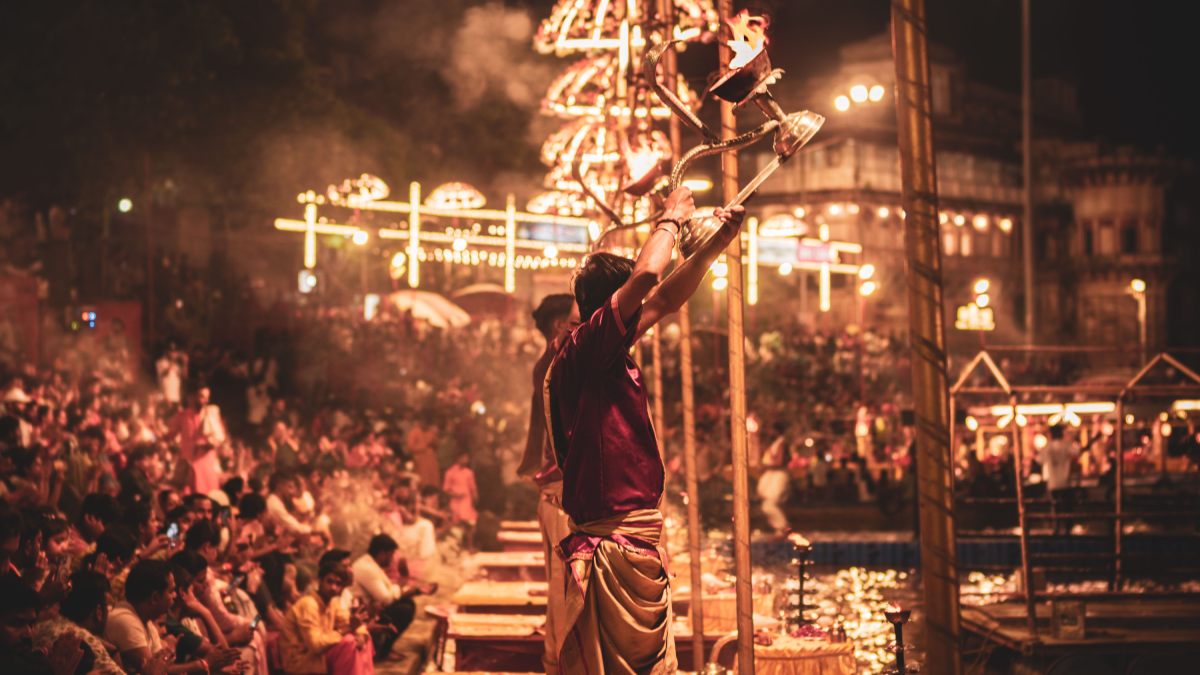
Now the ceremony will be a cultural moment in itself and the traditional ceremony will take place beside the Thames. Ganga Aarti is always held over the Ganga River in India, where devotees pray with lamps, flowers and other ritual items.
The ceremony represents gratitude and respect towards the river. It is also very spiritual and culturally significant to millions of people.
The ceremony is held beside the Thames which gives the tradition a new setting and keeps its core meaning alive. And for members of the Indian community in the UK, it can also provide a chance to connect to their cultural and spiritual roots.
The Thames has a long and important place in British history. It flows through London and has played a major role in the city's development. Bringing an Indian tradition to its banks creates an unusual meeting point between two cultures and their histories.
Ganga Aarti Comes to the Thames
Ganga Aarti is known for the evening ceremonies along the Ganga. Priests pray while lamps are held in a coordinated manner. The followers gather around the river and take part in the ceremony.
Prayers, bells and devotional music are the sound of the ritual. The ceremony is more than a religious performance. It is also symbolic of the cultural link that communities have had with the Ganga for generations.
The Thames ceremony will bring that tradition to a different part of the world.
Those in London and other parts of the UK find such events very special for Indian families. People in countries other than India still celebrate festivals, uphold traditional customs and pass on traditions to the next generation. Such a public event like this can allow the wider community to also experience an Indian tradition.
And Indian culture has traveled far beyond the country's borders.
Indian communities across the world organise cultural and religious events regularly. These gatherings help people maintain a connection with their heritage while living in a different country. The Ganga Aarti on the Thames will be another memorable event to add to that growing cultural exchange.
A surprising historical difference also lies in the Thames. Britain ruled India in the colonial era and relations between India and Britain were complicated and painful. And today the two countries have very good ties in areas like business, education, culture and the Indian diaspora.
An Indian spiritual tradition being celebrated beside one of Britain’s most recognisable rivers is a good example of how nations’ relationships can change in the long run.
And so it is more than just a ceremony in a new place. Cultural exchange and Indian traditions are also being seen globally as a part of it.
For those who have never visited Ganga Aarti in India, the London event could give the tourists a glimpse of the tradition without travelling thousands of miles.
All these ceremonies along the Ganga could bring back memories of India’s riverfront cities and the spiritual atmosphere around the ritual.
A Cultural Bridge Between India and Britain
The ceremony also shows cultural traditions can adapt to new surroundings while keeping their original identity.
The Thames is very different from the Ganga. The two rivers have different histories, landscapes and cultural meanings. But the act of gathering beside a river for a spiritual ceremony can create a connection between communities.
Rivers are the backbone of many Indians’ lives, and are very much part of our culture and daily life. The Ganga is important for spiritual reasons but rivers in India have been for centuries supporting peoples, agriculture, travel and settlement.
The Ganga Aarti tradition is one of that deep affiliation with nature and water.
Taking the ceremony to London could also help to promote discussions around the importance of protecting rivers. Pollution and environmental damage can be found in rivers, too, and pollution in all rivers in the world, so we need to do it in their own right: rivers like the Ganga and the Thames.
The cultural event in the same city as the Thames might thus offer a way to celebrate tradition but to remind people of the need to care for the water bodies.
The event will be attended by Indian diaspora people as well as those interested in Indian culture. London’s multicultural makeup is so good for this kind of cultural exchange.
Indian food, music, dance, festivals and religious traditions have already become familiar parts of London’s diverse cultural landscape.
The Ganga Aarti adds another dimension to that relationship.
Such events, for the younger members of the Indian community, also help them to understand traditions that they know mainly through family stories or visits to India. Experiencing the ceremony in person can make those traditions feel more connected to their own lives.
The event also reflects the growing global interest in Indian heritage. Indian traditions are celebrated in many parts of the world, often bringing together Indian communities and people from other backgrounds. The Thames Ganga Aarti could be another example of that cultural exchange.
The exact location may be thousands of kilometres away from the Ganga, yet the ceremony can still have the same themes of prayer, gratitude, community and respect for nature.
From the banks of the Ganga to the banks of the Thames, an Indian tradition is going over borders but still retains its cultural identity.
The ceremony offers a powerful image of how traditions can move with people and still find a place in new communities. And it is a reminder that culture doesn’t stay with geography. You can take your traditions with you, and that can be then incorporated in the broader culture of where you live.
The Ganga Aarti on the Thames is therefore likely to be more than an unusual event. It will mesh history, spirituality and cultural exchanges in one of London’s most familiar places.
There might even be a chance for everyone in the audience to experience an Indian tradition in a completely new setting alongside the cultural links that connect India and Britain today.