A 19-member team of DNA and forensic experts from India has begun a daunting mission in Nepal to help authorities identify hundreds of victims of devastating flash floods. They are collecting, preserving and analysing biological samples from the deceased and their relatives and will help families find the remains of their loved ones.
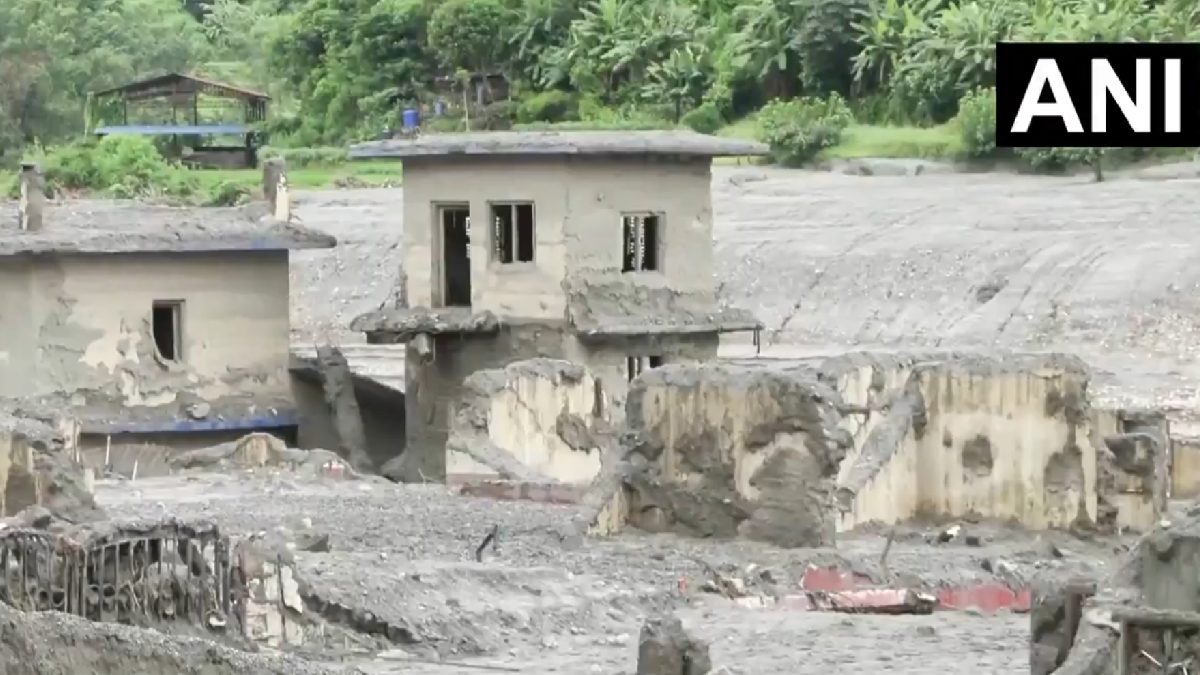
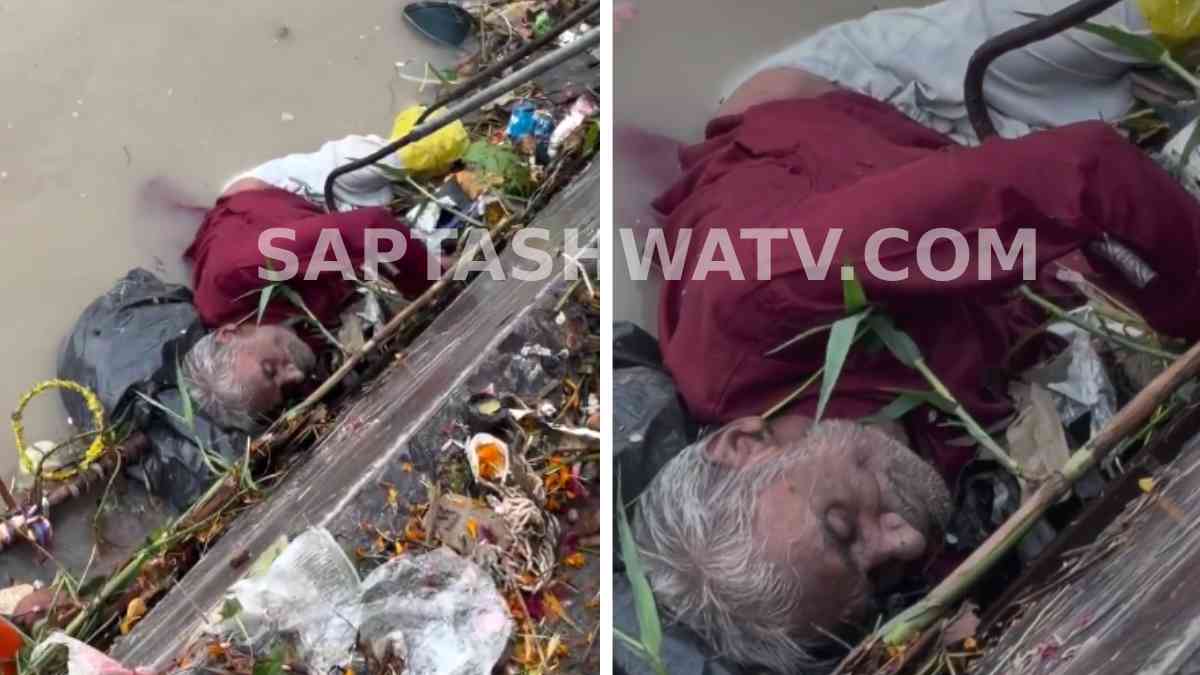
The Indian delegation has been sent as part of a disaster victim identification (DVI) program. The task is particularly challenging as many of the bodies recovered after the disaster are severely mutilated, making visual identification impossible in some cases.
The team is divided into six groups and comprises 10 experts from the National Forensic Sciences University (NFSU) in Gandhinagar and nine experts from the Central Forensic Sciences Laboratory (CFSL) in Delhi. The mission is led by Bhargav Patel, head of the Centre of Excellence in DNA Forensics at NFSU.
Working with Nepal Police’s Central Forensic Science Laboratory in Kathmandu and the Forensics Department of Tribhuvan University Teaching Hospital, the Indian experts began collecting biological samples from victims’ bodies and from people searching for missing family members.
The DVI process involves a number of closely coordinated steps. Experts document bodies and body parts, assign identification numbers and collect biological samples for scientific analysis. The samples are then compared with DNA or other records of relatives and the deceased is then identified.
According to NFSU officials, the primary objective of the mission is to help Nepalese officials in finding the victims and to ensure that families get the remains of their loved ones. Accurate identification is also essential for keeping official records and getting families closure after a major disaster.
The mission carries an extra emotional and professional significance for the Indian forensic experts. The team deployed to Nepal had previously worked on the identification of victims of the Air India Flight 171 crash near Ahmedabad airport last year.
That earlier experience also involved similar challenges; the identification of victims with advanced forensic tools. Now the experts are using their experience in another large-scale disaster, where traditional methods of identification may not be sufficient.
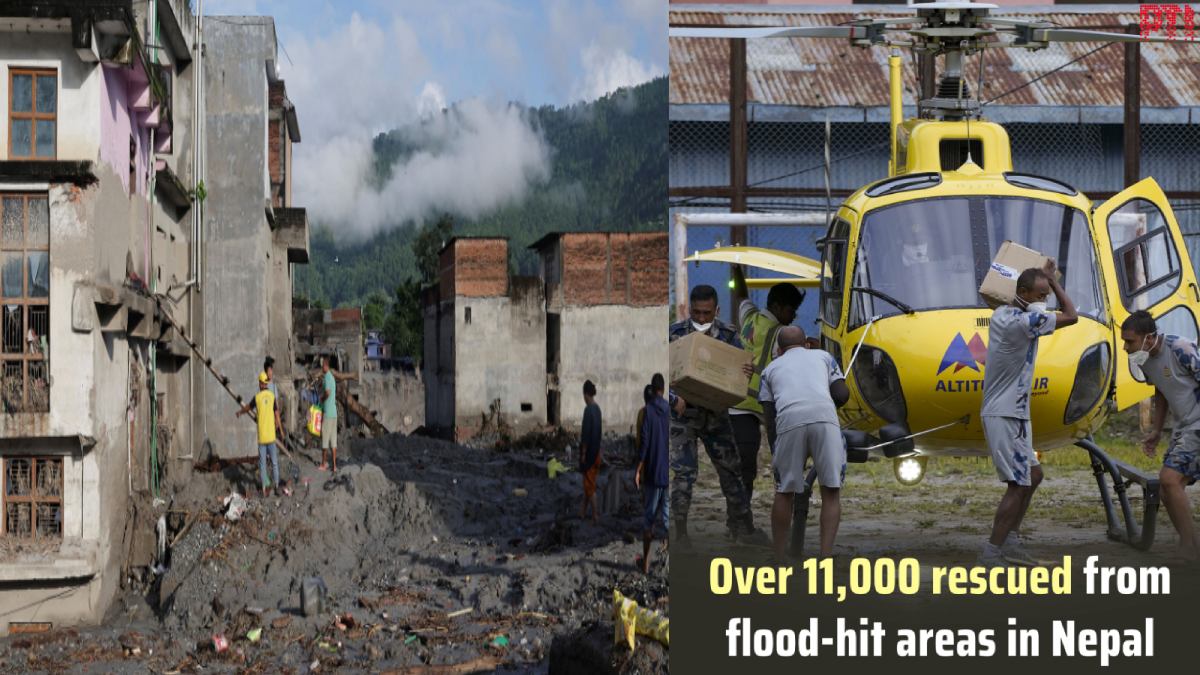
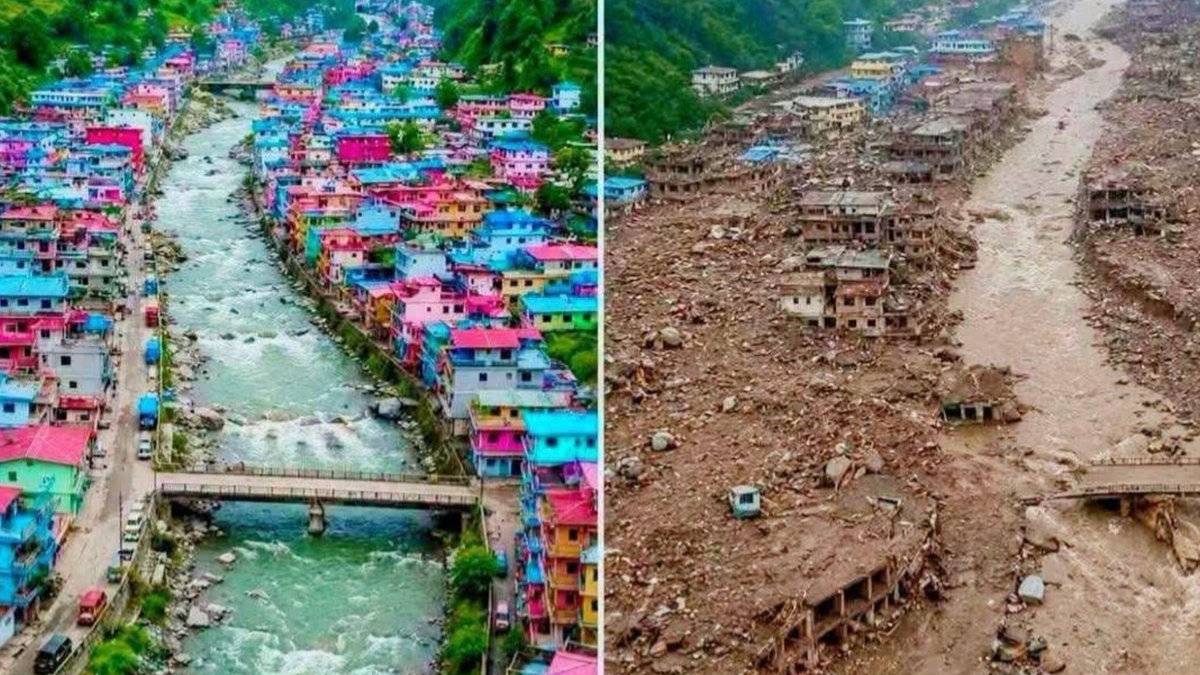
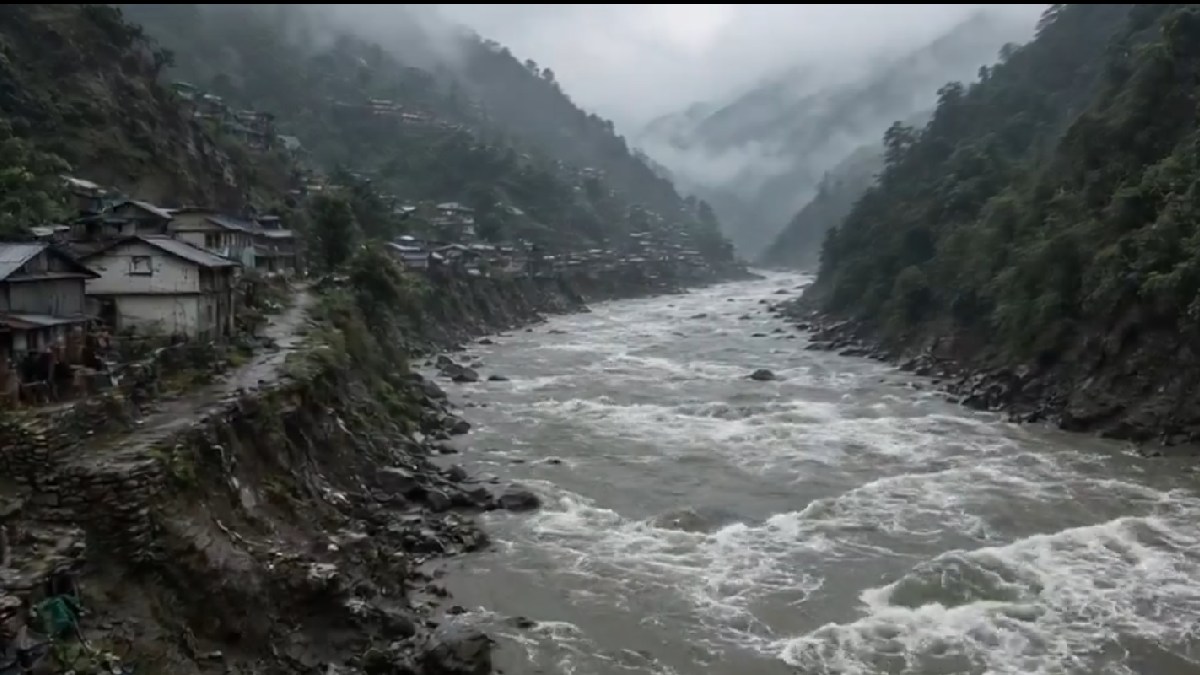
According to Nepal Police officials, more than 600 bodies remained unidentified following the flash flood tragedy on August 26. DNA samples have already been taken from teeth, thigh bones and other parts of bodies. Fingerprints and other forensic evidence are also being examined.
Nepalese authorities are reported to be using the Combined DNA Index System (CODIS) as a part of the identification process. The system is used to manage and compare DNA profiles, which allows investigators to match biological evidence with the reference samples.
Police and health authorities in Nepal have already created a large database of DNA evidence collected from victims. The Indian team's expertise will help enhance the scientific effort and also make the identification process faster.
The disaster has also posed an international coordination challenge, as victims are believed to be from different parts of the world. Nepal’s Home Ministry is in coordination with embassies to seek help in obtaining medical records and biological information from the relatives of missing persons.
Officials have asked embassies to help families provide relevant medical records and DNA-related information, particularly when relatives are unable to immediately travel to Nepal. Some family members may provide blood samples through hospitals in their home countries and the relevant information can be shared with Nepalese authorities through diplomatic channels.
Then these records can be compared with the DNA evidence and biological samples collected from the victims. International cooperation is expected to play a crucial role in identifying foreign nationals affected by the disaster.
The work of the Indian forensic team shows the importance of scientific methods in the aftermath of large-scale disasters. DNA analysis, fingerprint examination, medical records and other forensic methods can provide answers when conventional identification methods are no longer possible.
For 19 experts, the mission is not just a technical one. Their work could help hundreds of grieving families to know what their loved ones are and allow authorities to return identified remains for final rites.
As the identification process continues, the Indian and Nepalese forensic teams will face a painstaking process that could take quite some time. But by combining the best available DNA technology with forensic databases and international cooperation, authorities are expected to find the victims and provide families the dignity and closure they want.