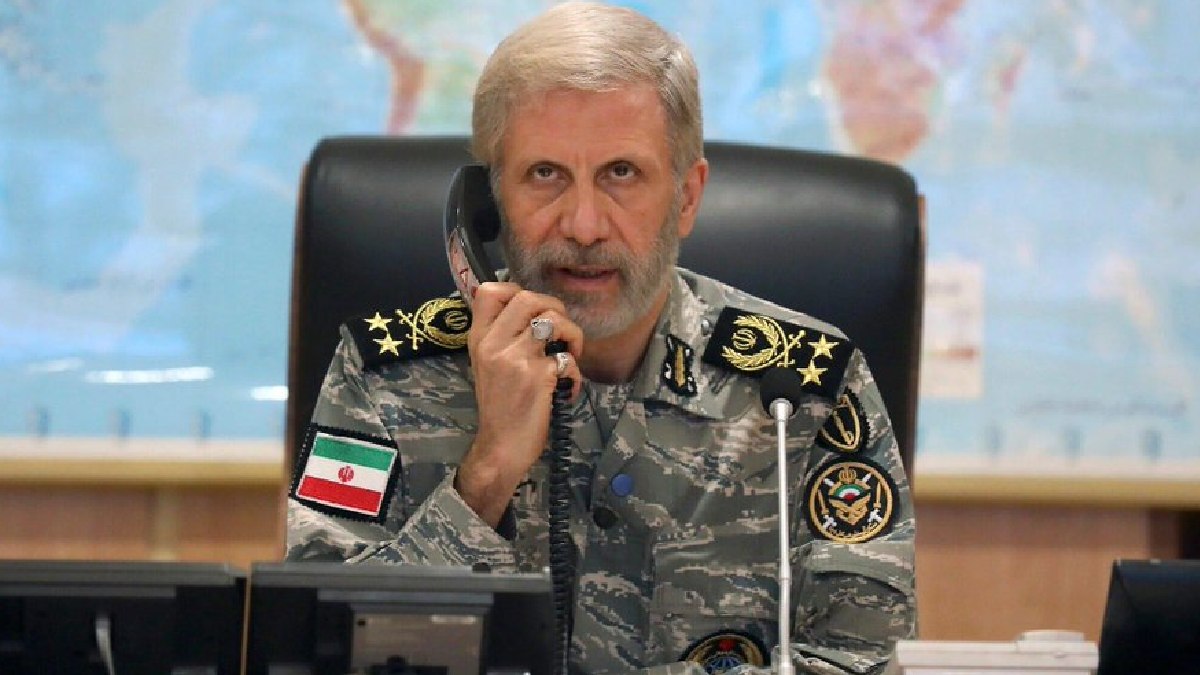
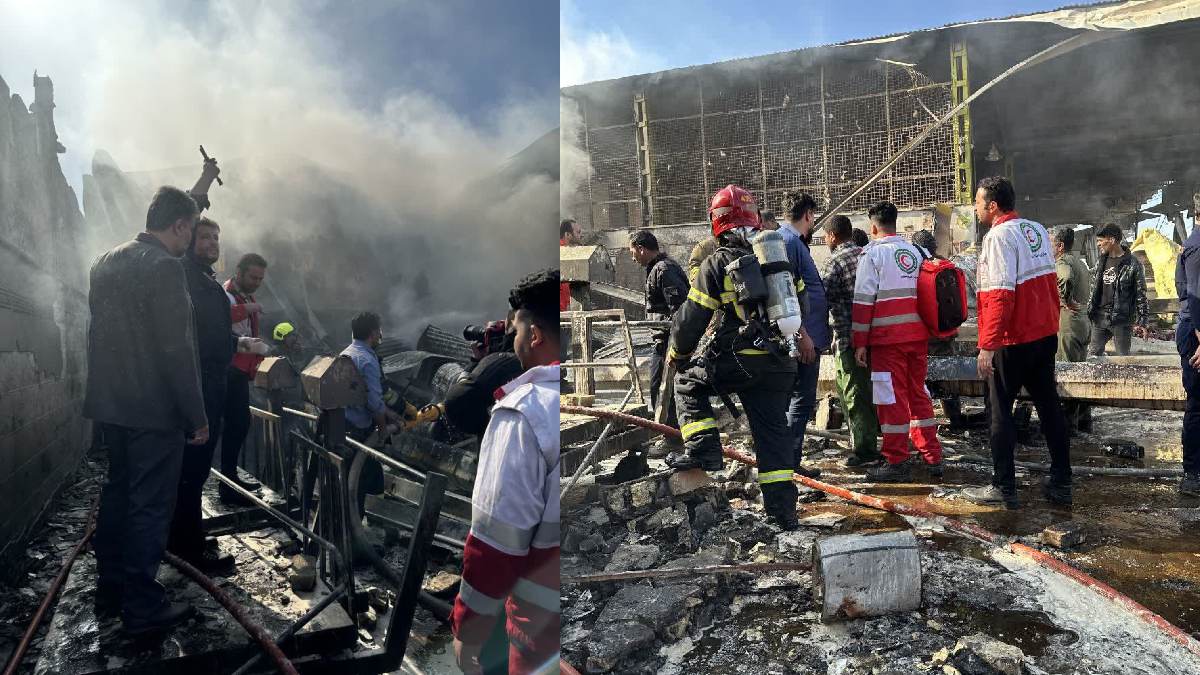
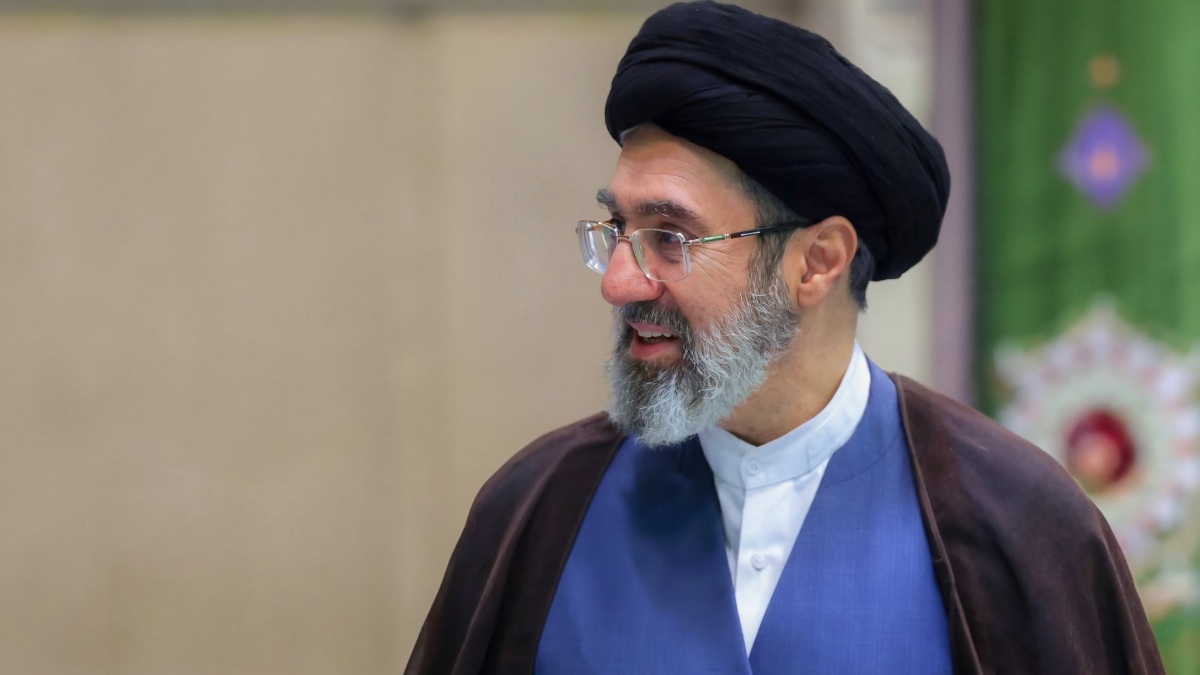
In a high risk escalation of the Middle East, the Republic of Azerbaijan has accused Iran of conducting a direct drone strike on its territory. During the midday on Thursday, two unmanned aerial vehicles (UAVs) are said to have been launched from the Iranian side of the border into the Nakhchivan Autonomous Republic, an Azerbaijani exclave, causing civilian casualties and extensive infrastructure destruction.
The Attack on Nakhchivan
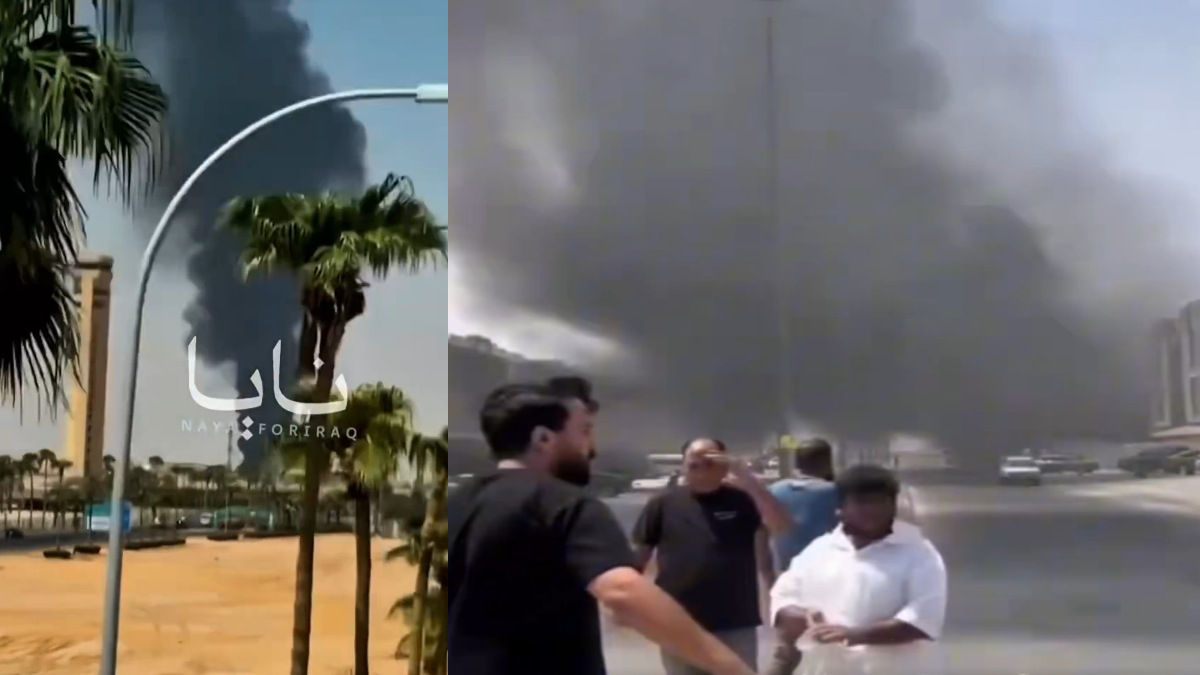
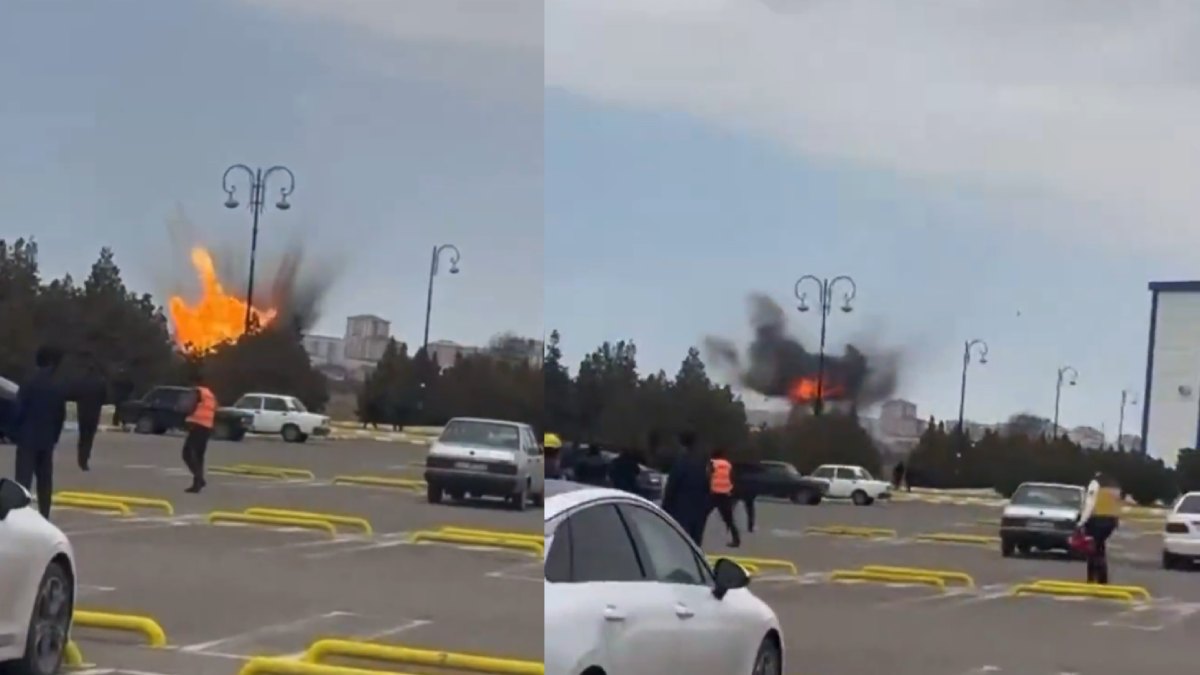
And according to the Azerbaijani Ministry of Foreign Affairs, the strike was divided between two civilian targets. One drone struck the terminal building of Nakhchivan International Airport 10 kilometers from the Iranian border. Video footage shared online showed thick plumes of black smoke billowing from the airfield as emergency services rushed to the scene.
The second drone is believed to have fallen near a school building in the village of Shekarabad. Local health officials said at least two civilians were injured in the attacks. The conditions are still fine, but the incident has sent shockwaves through the region, where Azerbaijan has been able, before, to stay out of the story when the US-Israel-Iran war flared.
Baku's "Strong Protest"
Baku's response was swift and harsh. Azerbaijan’s Foreign Ministry issued the statement condemning the strikes as a “reprehensible act” and contrary to international law. “This attack on the territory of Azerbaijan contradicts the norms and principles of international law and serves to increase tension in the region.
We demand that the Islamic Republic of Iran clarify the issue as soon as possible,” the statement said. Mojtaba Demirchilou, the Iranian Ambassador to Azerbaijan, was summoned to the Ministry of Foreign Affairs following the incident. Azerbaijani officials sent a formal note of protest that warned that the country “reserves the right to take appropriate retaliatory measures” to safeguard its sovereignty and citizens.

Strategic Background and Regional Concerns
The attack in Nakhchivan is particularly contentious because of the exclave’s geographical specificity. Situated on the border of Iran, Turkey and Armenia, Nakhchivan serves as a strategic outpost for Azerbaijan. Turkey, a critical NATO member and Azerbaijan’s strongest ally, has previously warned that any security threat to the territorial sovereignty of Azerbaijani territory would be met with a forceful reaction. But military analysts are still arguing over whether the strike meant a provocation by Azerbaijan or an "off-course" error.
- Targeting Errors: Similar to the NATO intercepting over Hatay, Turkey earlier this week, Iranian missiles and drones have been repeatedly reported to be veering off course toward Israeli or U.S. assets.
- Geopolitical Message: Some observers believe the strike should be seen as a warning to Baku about its longstanding defense cooperation with Israel which increased during the war.
A Widening Front
The attack in Nakhchivan is the first time the South Caucasus has felt the physical blow of the six-day-long war. As the fighting between Iran and the United States and Israel intensifies, the chance of a "multi-front" war involving even non-combatant neighbors such as Azerbaijan and Turkey is at an all-time high. As of Thursday afternoon, the Iranian government has issued no official statement on the Nakhchivan strikes, although state media consistently report on “strikes against revolutionary enemies” in northern border regions.