Tensions in the Middle East have escalated sharply after Iran claimed it shot down an “enemy” F-15 fighter jet near the strategically vital Hormuz Island. The incident, reported by Iranian air defence authorities, comes against the backdrop of rising hostilities following a stern warning from former US President Donald Trump.
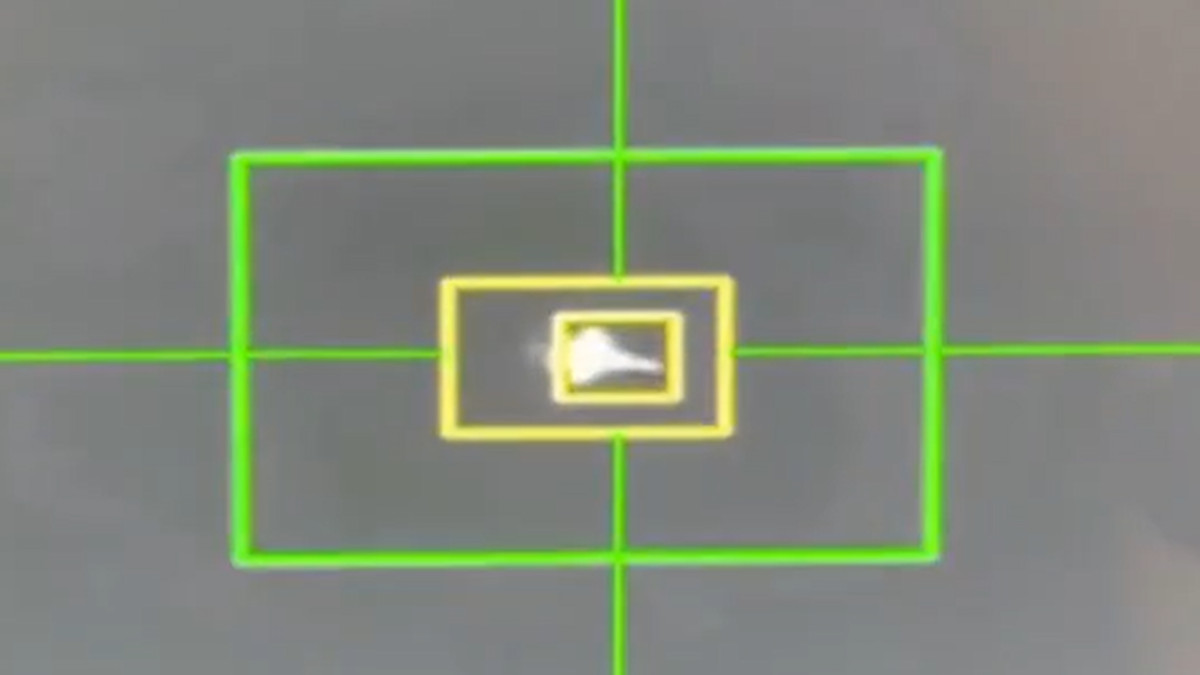
According to Iranian state media, the fighter jet was intercepted after allegedly entering Iranian airspace. Officials stated that the aircraft was successfully targeted by air defence systems, though they did not confirm whether it was completely destroyed or forced to retreat. The identity of the aircraft’s operator has also not been officially disclosed, although F-15 jets are widely used by the United States and its allies.
The development comes just hours after Trump issued a strong ultimatum to Iran, warning of severe military consequences if Tehran failed to reopen the Strait of Hormuz one of the world’s most critical oil transit routes. He reportedly threatened to “obliterate” Iranian power infrastructure within 48 hours if demands were not met.
#BREAKING
— Tehran Times (@TehranTimes79) March 22, 2026
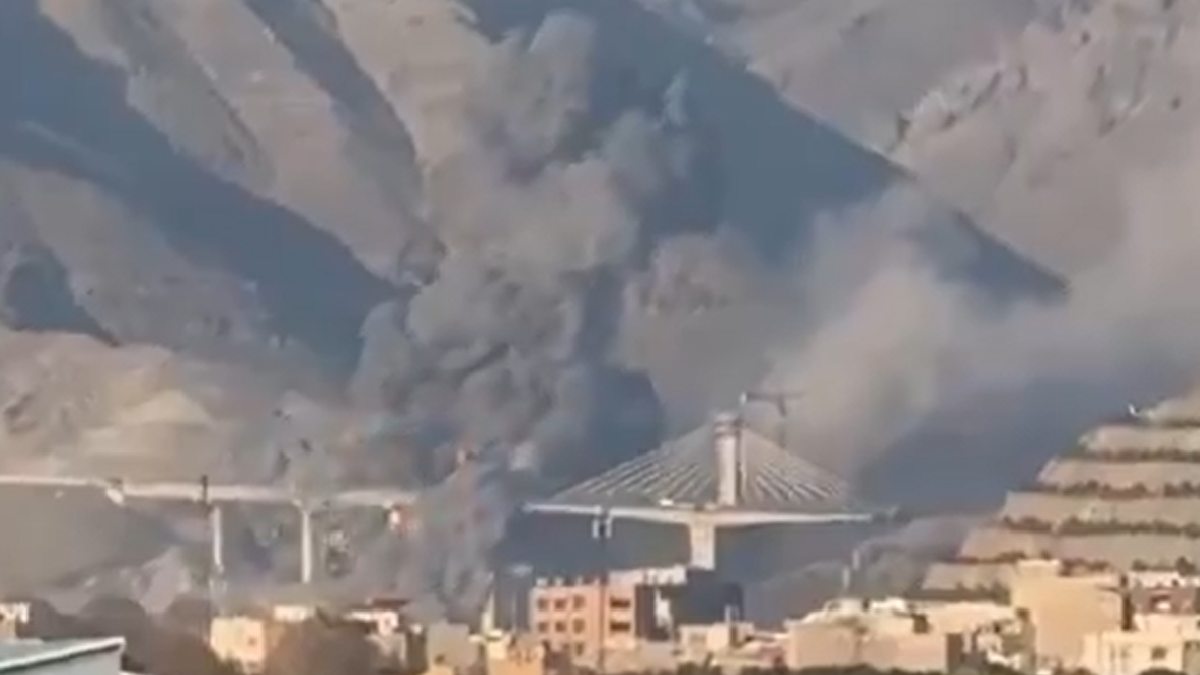
An enemy's F-15 fighter jet was shot down by Iranian air defense systems near Hormuz Island after being intercepted over the country’s southern coast. pic.twitter.com/jmrFuUQKbd
In response, Iranian authorities have doubled down on their stance, warning that any attack on their territory would trigger retaliation across the region. The country has even threatened to completely shut down the Strait of Hormuz, a move that could disrupt nearly 20% of global oil shipments and send shockwaves through international markets.
Military analysts caution that claims surrounding the downing of the F-15 remain unverified, and independent confirmation is yet to emerge. Past incidents in the ongoing conflict have seen conflicting narratives from both sides, raising questions over accuracy and propaganda.
The situation underscores the fragile security environment in the Gulf region, where even a single military incident can rapidly escalate into a broader conflict. With both sides issuing aggressive warnings and military activity intensifying, global leaders are closely monitoring developments, fearing a wider regional war.