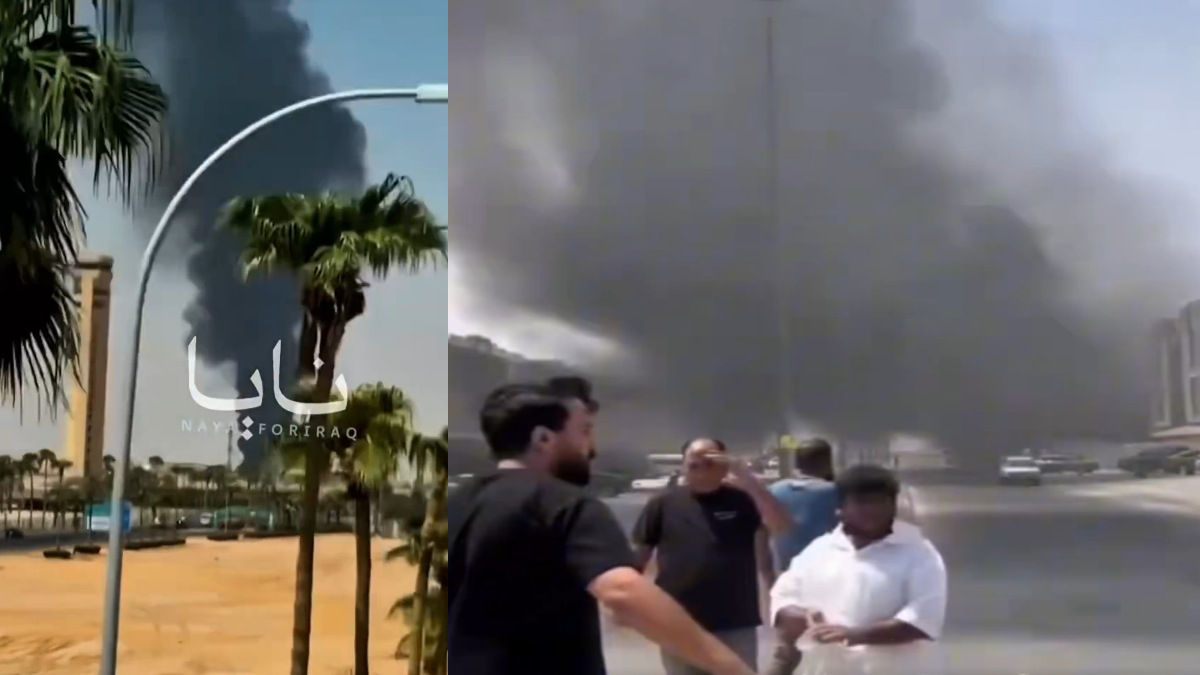
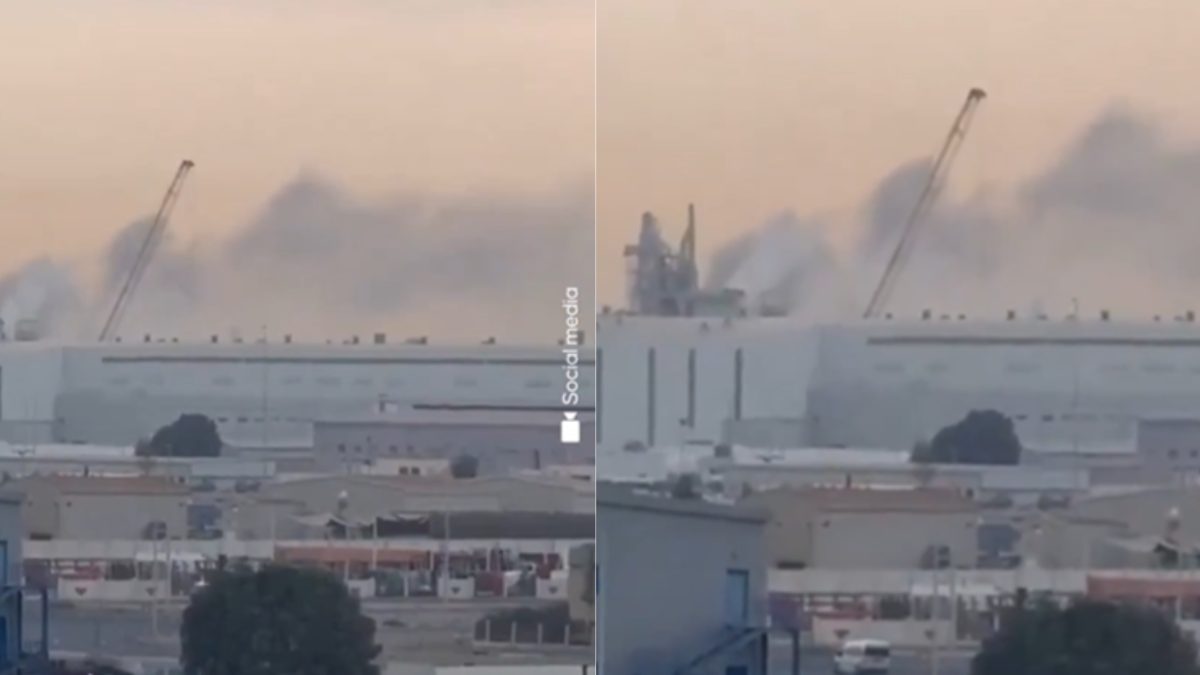
In a decision that has sent tremors across international energy markets and reconfigured the maritime frontiers of the current 2026 conflict, the Iranian government has formally ordered a “selective blockade” of the Strait of Hormuz. More directly, Tehran announced that only vessels from China and Russia will be allowed in the world’s most vital energy chokepoint.
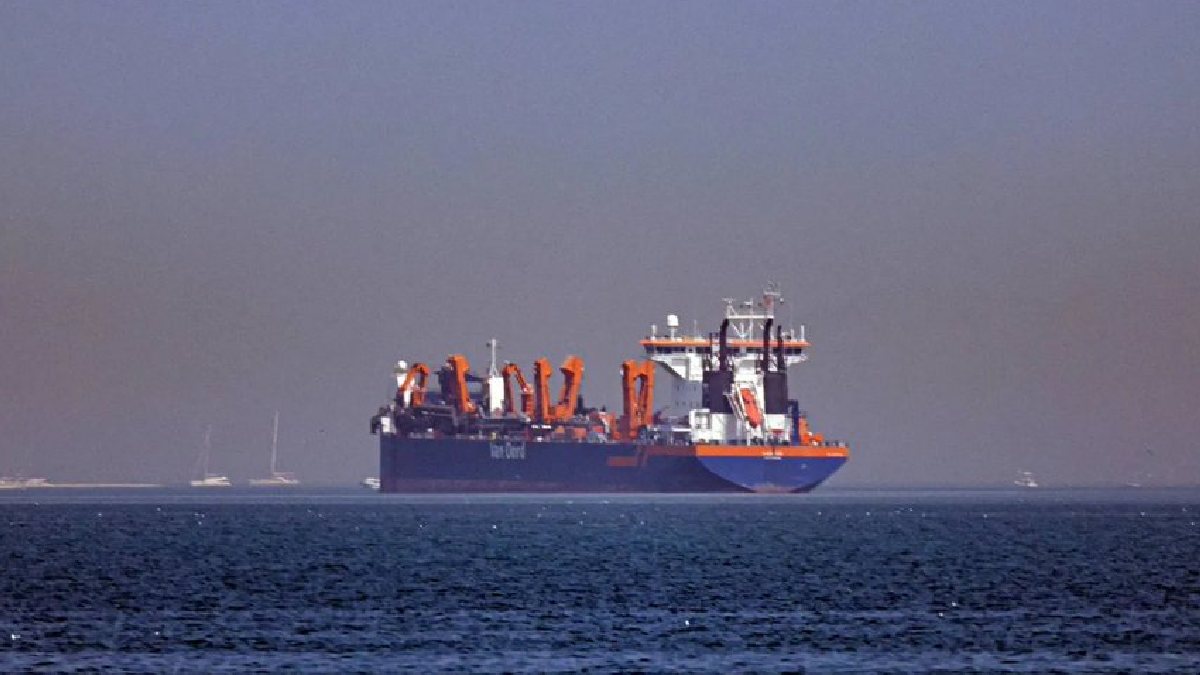
The announcement, broadcast to state media on today, had been cast as a “strategic gesture of gratitude” to Beijing and Moscow for their ongoing diplomatic and economic support after the U.S.-Israeli strikes on Iran earlier this week.
A "Selective" Chokepoint
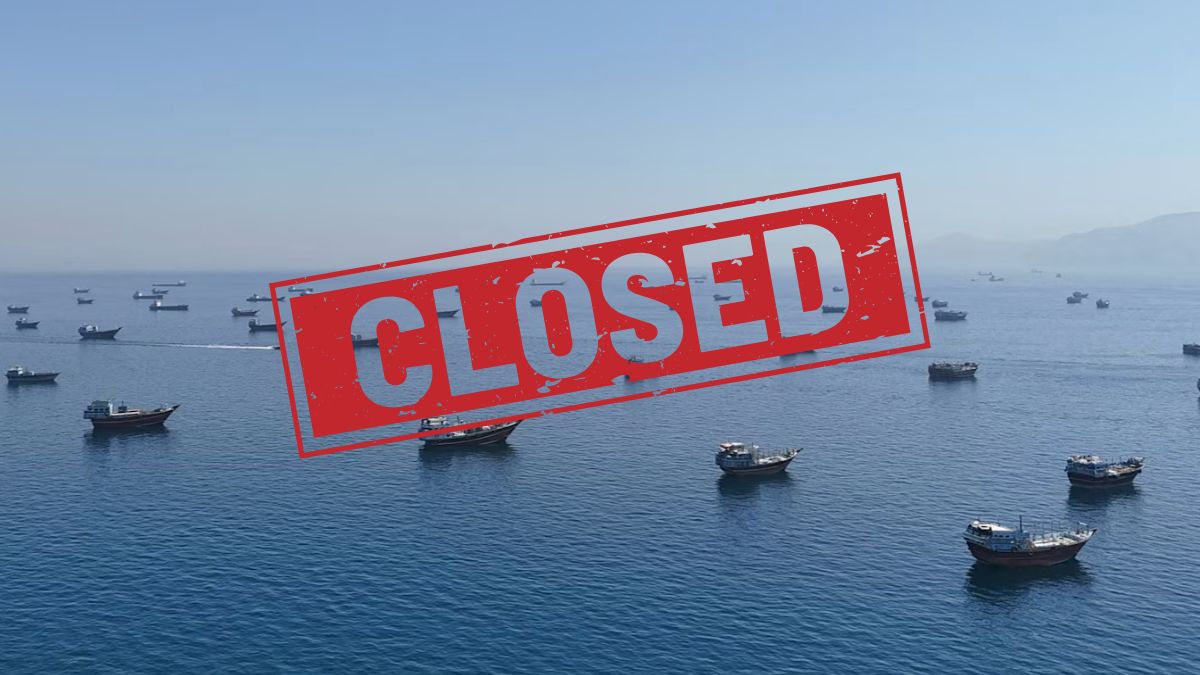
The Strait of Hormuz, which accounts for about 20 percent of global daily oil usage worldwide, has since March 1 been effectively closed to the global fleet. But the new directive from the Islamic Revolutionary Guard Corps (IRGC) makes plain that the ban is now no longer an absolute ban. Only Chinese and Russian owned vessels (including oil tankers, LNG carriers and cargo ships) are permitted to secure safe passage.
- The “Zero Tolerance” Warning: The IRGC Navy issued an ultimatum that any “unauthorized” vessel wishing to cross will be “directly targeted and neutralized” by Iranian coastal batteries, drones or naval units.
- Exclusion in the International Context: Ships from all other nations, including neutral parties, European nations, and regional neighbors, are not allowed to enter the waterway.
Gratitude Amidst Chaos
Tehran’s decision to back China reflects Beijing’s stance against Western-led sanctions and its repeated public pleas for “restraint” from Israel and the United States. Analysts say that by allowing China to keep pushing on with energy imports, Iran is trying to protect its most vital economic lifeline, while using the strait as a weapon against the rest of the world.
“China’s firm position in international forums has conferred this exclusive privilege on it,” said an Iranian official. “The foes of the Islamic Republic may choke by their own aggression, but our friends will be untrammeled.”
Global Markets in Freefall
The selective blockade is causing an unprecedented crisis in the global logistics and energy fields. China may receive a temporary respite, while the rest of the world is preparing for a devastating shock to the supply chain.
- Shipping Reroutes: The world’s leading carriers, including Maersk and Hapag-Lloyd, already suspended all transits, with more than 170 ships “trapped” inside the Gulf and unable to leave.
- Insurance Withdrawal: Maritime insurers have canceled the regional “Protection and Indemnity” cover on March 5 - hence, unauthorized transit is now more expensive than ever.
- Oil Price Surge: Brent futures are up over $120 a barrel and traders are beginning to appreciate the reality that 80 percent of the standard Hormuz traffic has been officially blocked.
The U.S. Response
The U.S. Fifth Fleet stationed in Bahrain has reportedly switched to "high alert," according to reports. Although President Trump has suggested that America's Navy is ready to escort tankers if necessary, the introduction of "protected" Chinese ships brings an intricate and complex tactical nightmare.
Any interaction with Iranian forces close to Chinese ships risks drawing Beijing directly into the military theater. As war approaches its fifth day, the “Red Gold” of the Middle East is not simply a commodity but a geopolitical filter, separating Iran’s allies and adversaries at the mouth of the Persian Gulf.