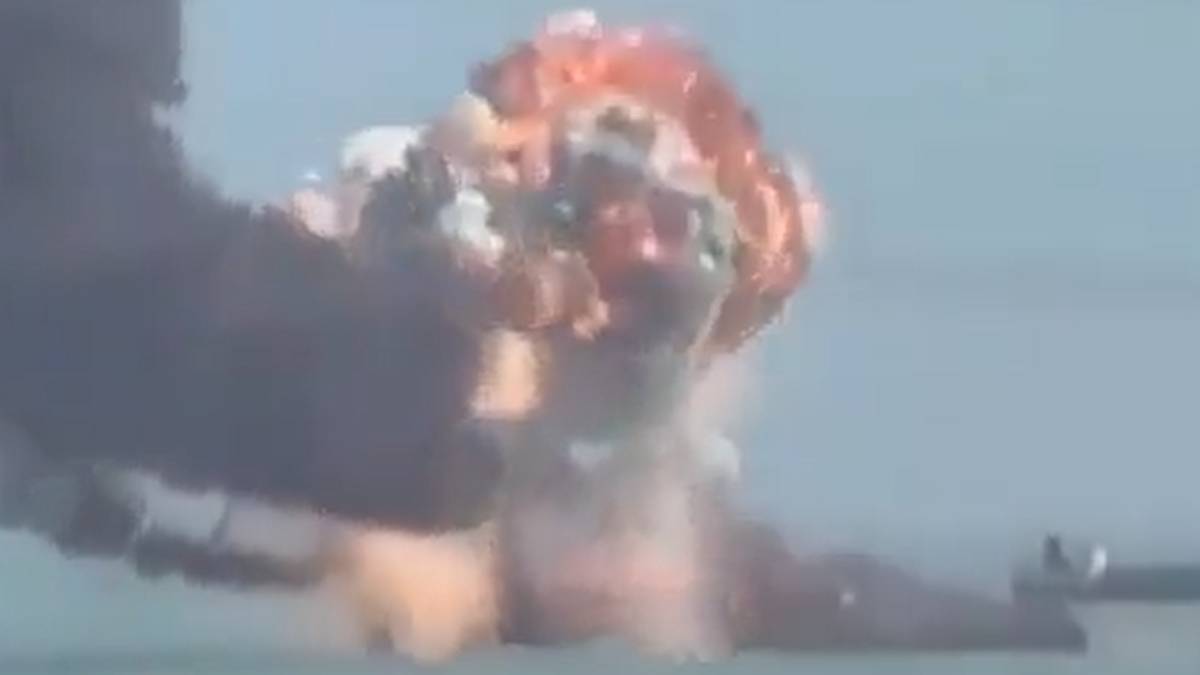
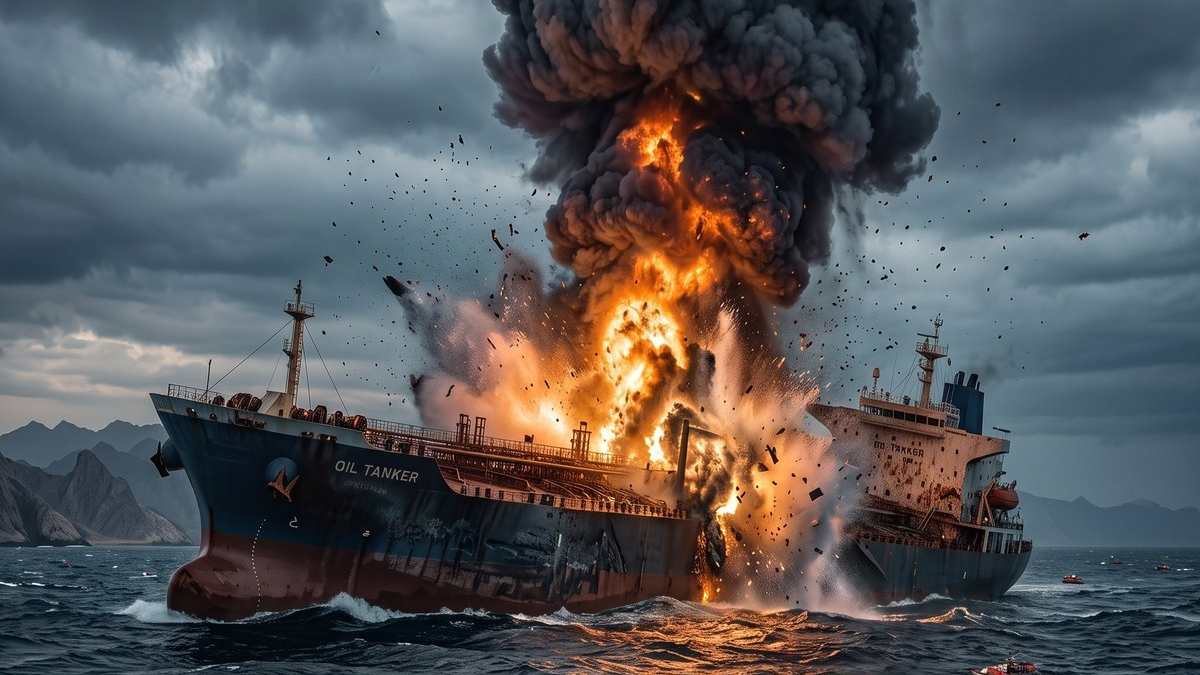
Iran claims to have closed the strategically vital Strait of Hormuz, a move which has again raised global political and security concerns about one of the most important maritime trade routes.
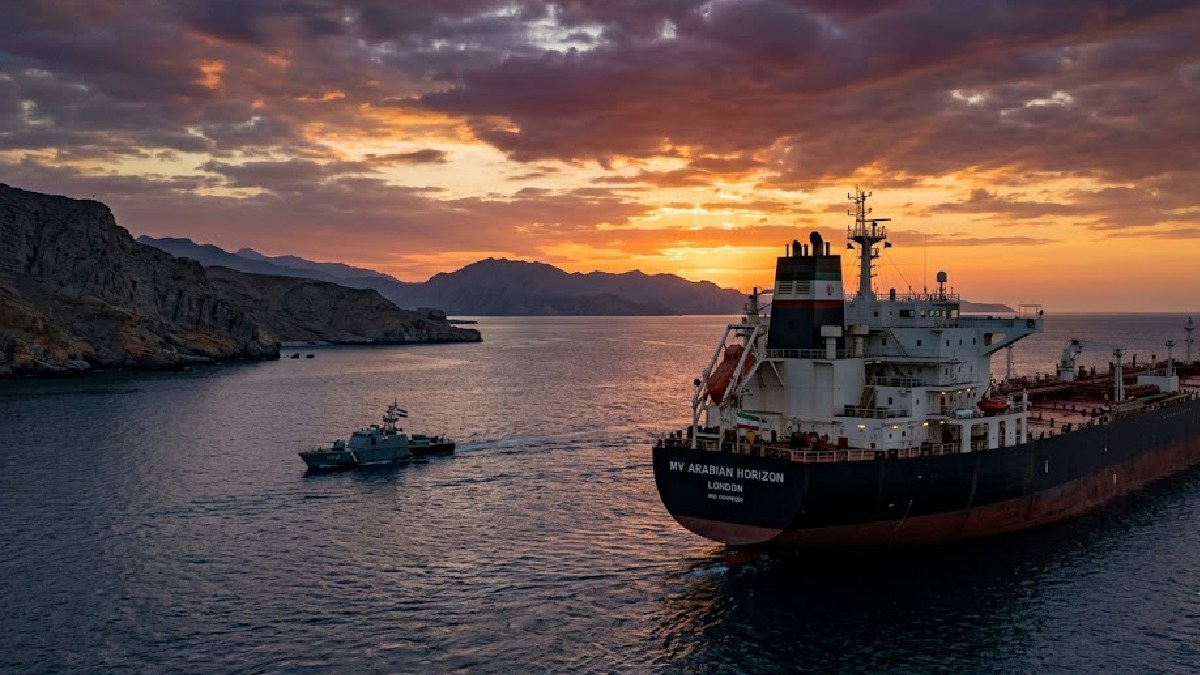
The tankers were detected by Iranian authorities, the officials said, during routine maritime operations. The officials have made no immediate announcement about the ships’ identities, locations, or the reason behind the stoppage. No independent confirmation from international maritime agencies or governments of the ships involved has been given as well.
The Strait of Hormuz is one of the world’s most vital waterways for energy supply. The narrow passage connecting Iran and Oman forms the Persian Gulf to the Gulf of Oman and the Arabian Sea.
Nearly one-fifth of the world’s crude oil and a major share of liquefied natural gas (LNG) exports pass through the Strait of Hormuz every day, making it essential to global energy security.
A disruption to shipping in the Strait of Hormuz regularly sends shock waves through oil markets in the world's oil stock market. Investors pay close attention to developments in the region because a short-term interruption in shipping in the Strait of Hormuz can cause oil prices to rise, shipping insurance costs to increase, and supply chain stability to be impacted.
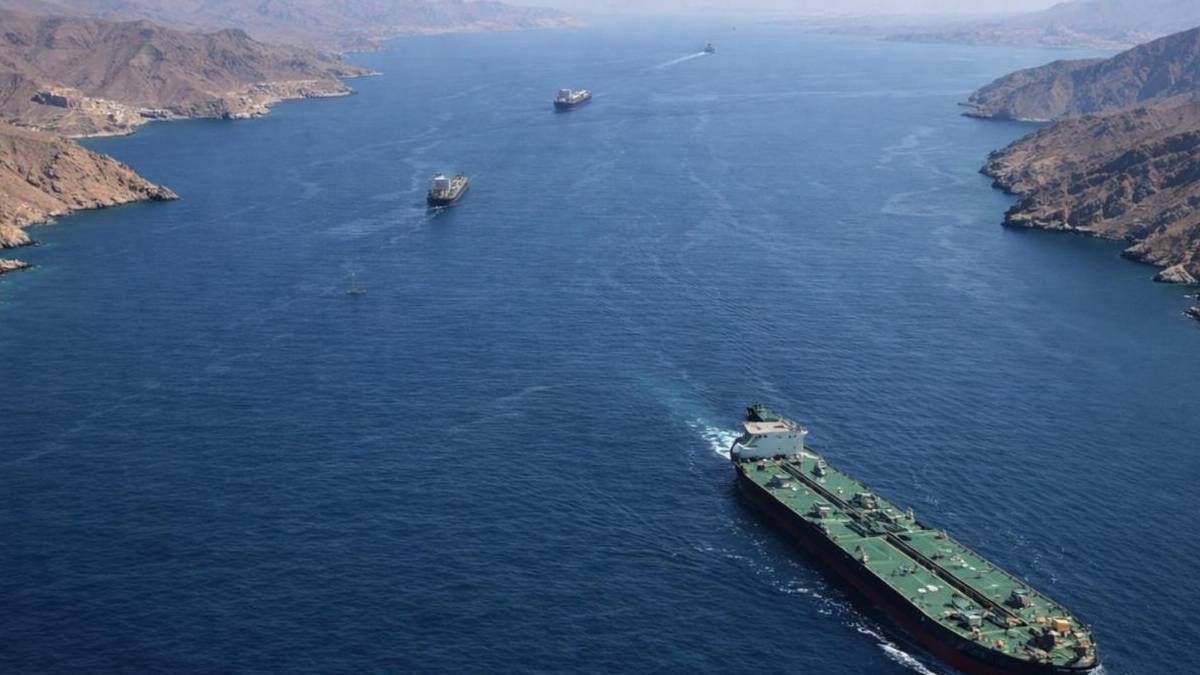
Iran has repeatedly claimed its responsibility for monitoring maritime activities in waters near its coastline. In the past, Tehran has detained or examined commercial vessels it says violate maritime regulations or pose security concerns. But the incidents have been criticized by Western governments and shipping organizations who say freedom of navigation is an international right.
Commercial shipping companies in the Gulf region will be closely monitoring the situation at the moment and will be looking forward to sending more ships through the Strait. Maritime security agencies frequently advise commercial ships to be on guard during times of high regional tension and to liaise with naval officials.
Energy analysts say this is not a good sign but that global oil markets generally wait for independent verification before acting.
If the stoppage is short term and commercial traffic resumes without any further disruption, the impact on oil supplies could be limited. But if the same problems occur in the region again and again, they may cause greater market volatility and impact future shipping decisions.
Several countries, including the US and European allies, continue naval operations in and around the Gulf to protect international shipping lanes. Stability of regional development is the top priority for governments that depend heavily on uninterrupted oil imports from the Middle East.
As more information comes out, international observers will watch closely to see if the stoppage is a single instance of a maritime inspection or a sign of a broader escalation in regional tensions.
The Strait of Hormuz is one of the world’s most strategic waterways, and any changes to it could affect trade, energy prices, and international relations.