In Tehran, a disturbing picture of economic hardship is striking. In a hospital in the Vanak area, people have written phone numbers on walls offering to sell one of their kidneys in exchange for money.
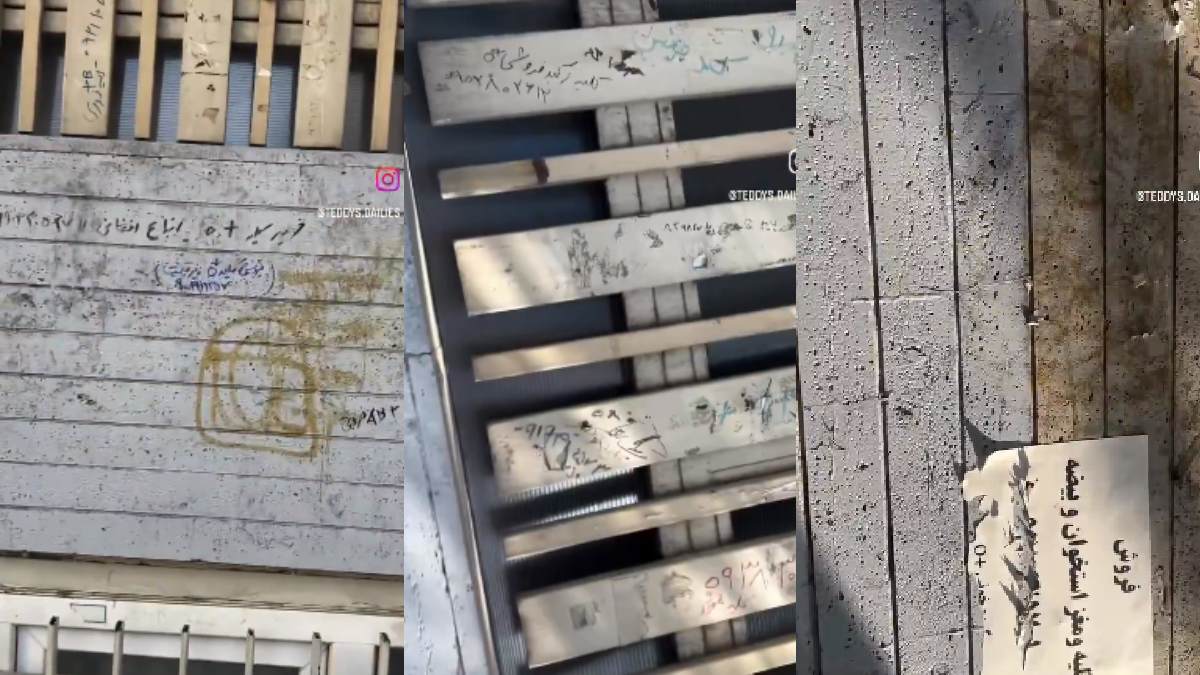
The sight has caused alarm among Iranians about their financial circumstances. If income is not enough to pay debts, medical bills, household expenses or other urgent financial needs, selling a kidney is now a feasible option for many.
A kidney is not something that can be replaced. Removing one is a serious medical procedure that can carry long-term health risks.
The fact that financially vulnerable people might go for such drastic measures indicates the desperate way in which economic pressure can lead to desperation.
Iran's economy has been hit by years of inflation, currency depreciation, sanctions and rising living costs. It’s meant that purchasing power for many families is diminished and the economic situation is worse for people who are already struggling to pay off their bills.
The kidney-selling business is not entirely new in Iran. The country has a regulated system in which kidney donors are entitled to receive financial compensation, and the system is certainly not entirely underground organ-trafficking markets it does not exist even in the middle of the underground.
🇮🇷 A hospital in Vanak, Tehran, displays phone numbers all over the walls from Iranians offering kidneys for sale.
— Mario Nawfal (@MarioNawfal) August 31, 2026
This is what the Islamic Republic has brought upon its civilians, apparently...
Selling organs just to survive is usually a sign of a prosperous economy, right?…
But the system has also been criticized as financial hardship has often led people to make decisions they’d never consider otherwise.
The messages on hospital walls are a stark reminder of that debate. Behind every phone number is a person who is trying to solve an immediate financial problem by making a decision that could change their health for the rest of their life.
And for patients waiting for kidney transplants, Iran’s compensated donation system can provide an important source of organs.
For critics, the increasing visibility of people seeking buyers raises a difficult question: can poverty ever lead a person to sell part of their own body.
The images from Tehran have become much more than just an image of organ donation. They have become a symbol of the financial struggles of some parts of Iranian society.
When people start looking at an organ as a way to raise emergency cash, it reflects a problem that goes far beyond the hospital walls. It raises difficult questions about wages, inflation, social support and what economic choices ordinary citizens have.
For the people leaving their phone numbers, however, the issue is much more immediate. So it is about making money when other options appear to be running out.