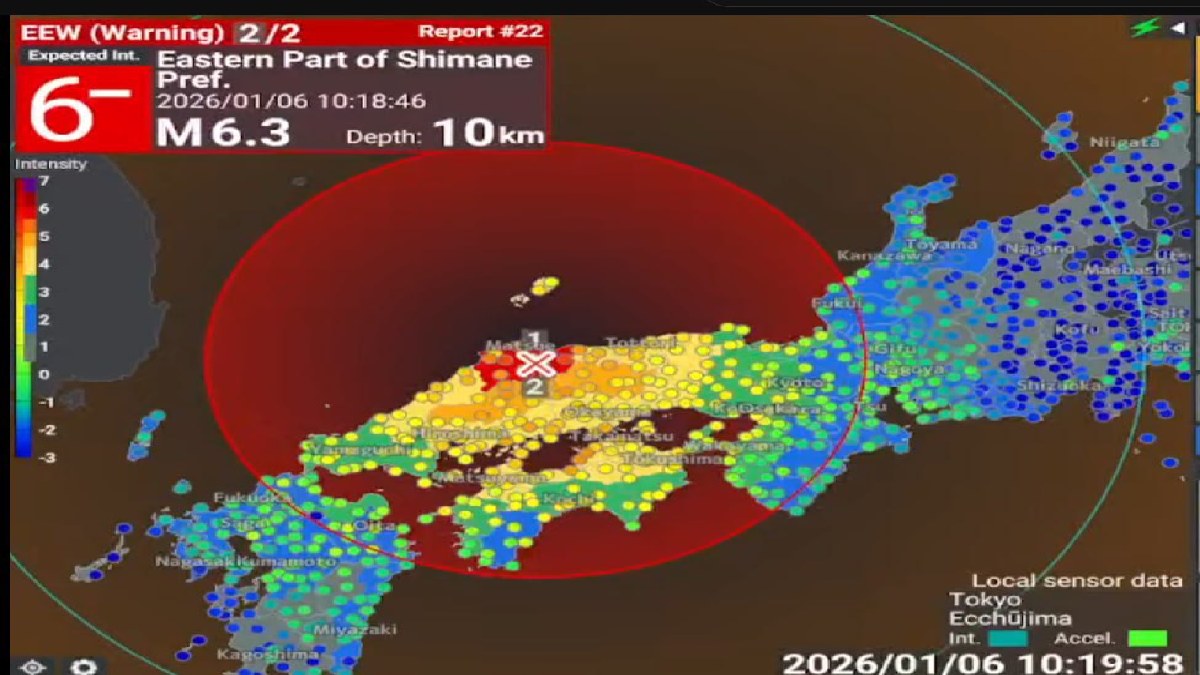
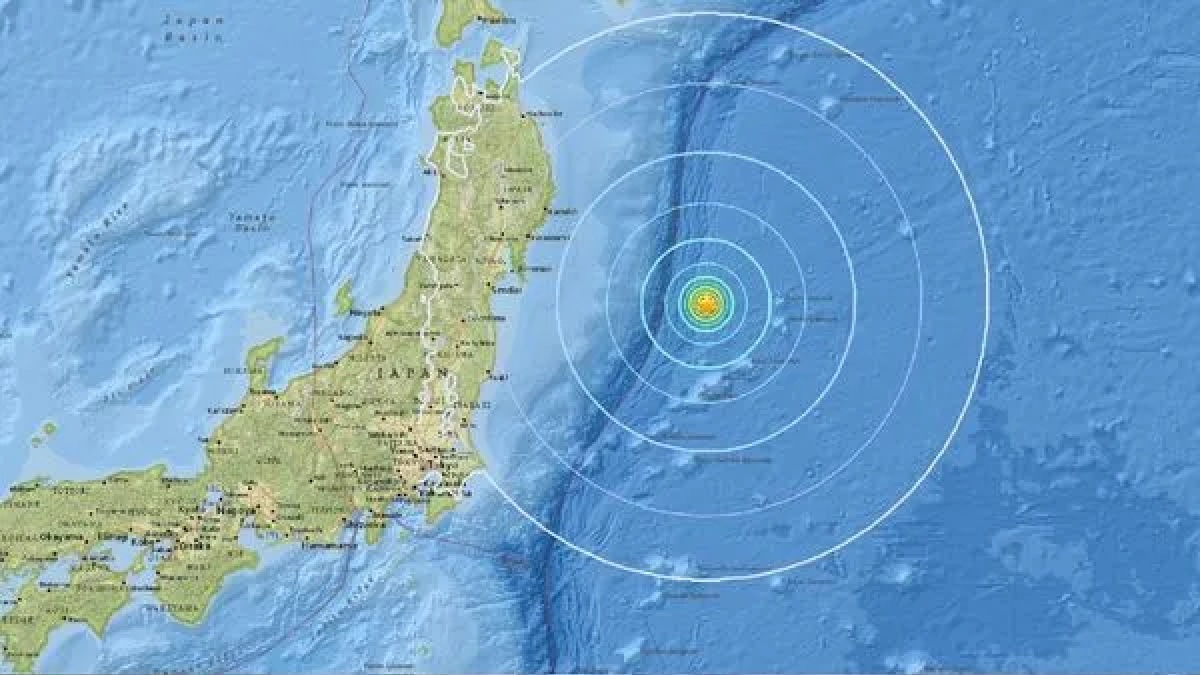
In southern Japan, a powerful 7.1-magnitude earthquake struck, triggering tsunami alerts across the southern region of Japan and emergency response programs were initiated across coastal areas in the affected coastal areas. The strong tremor struck in southern Japan, and officials were concerned about tsunami waves reaching vulnerable shorelines as the big earthquake caused residents and emergency agencies rushed to assess the situation and monitor the tsunami waves to reach vulnerable shorelines.
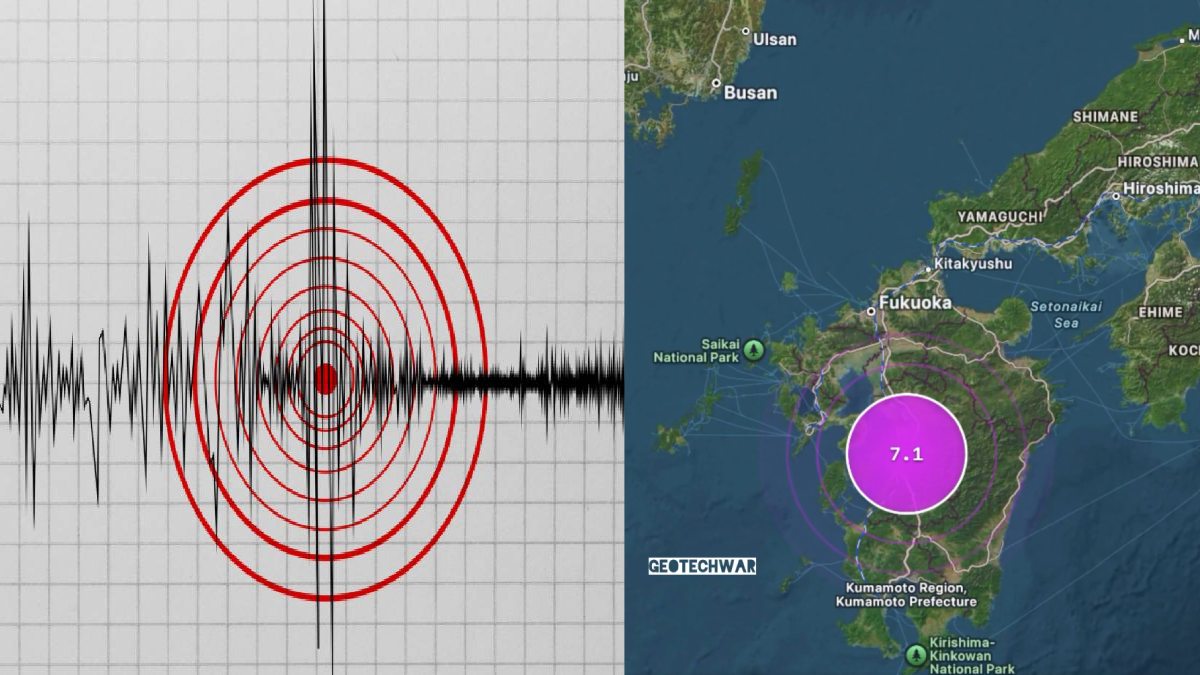
According to preliminary seismic reports, the earthquake happened offshore near southern Japan, a region of high seismic activity due to its position at the Pacific Ring of Fire. The earthquake was of sufficient magnitude to raise fears of a tsunami and to alert the coastal residents and evacuate them as soon as possible.
Japan’s Meteorological Agency and disaster management bodies quickly activated emergency protocols. Coastal communities were told to move to higher ground while officials monitored sea-level changes and tsunami wave activity. Emergency broadcasts were carried out on television, radio, mobile alerts, and public warning systems to give residents early knowledge of the potential threat.
The earthquake caused strong shaking in several cities and towns across southern Japan. Residents reported buildings shaking violently, furniture shaking, and power cuts in some places. Some transportation services, including high-speed rail systems and local trains, were temporarily suspended in some areas for infrastructure checks.
Japan is one of the most earthquake-prone countries in the world because it is situated at the junction of many tectonic plates. There are thousands of earthquakes in Japan every year, but most are too small to cause great damage. But large earthquakes such as the 7.1-magnitude earthquake could cause tsunamis, landslides, structural damage, and aftershocks.
Experts say earthquakes of this magnitude often produce a series of aftershocks that can last for days or even weeks after the main earthquake. So authorities have advised the public to stay alert and to be prepared for the likelihood of more seismic activity. Emergency management teams have been called out to inspect buildings, bridges, roads, ports, and utility infrastructure to determine whether there is damage and to ensure public safety.
The tsunami warning has become one of the most closely watched aspects of the disaster response. While not all offshore earthquakes generate a destructive tsunami, the government is generally taking a precautionary approach because delayed warnings can be dangerous. Coastal residents are advised that tsunami waves can come in multiple surges over several hours and that the first wave is not always the largest.
Japan’s comprehensive disaster preparedness system is among the most advanced in the world. After the 2011 earthquake and tsunami, early warning systems, evacuation plans, emergency communication networks, and public education campaigns were implemented for the nation. These have greatly improved its ability to respond quickly to major earthquakes.
Emergency shelters were put on standby in several coastal areas as local governments worked with national agencies to coordinate with the emergency services. Schools, hospitals, and public facilities prepared for any earthquake or tsunami event as well.
The event has also attracted international attention, with neighbouring countries and global monitoring agencies closely following developments. Scientists are analysing seismic data and exploring the nature of the earthquake and whether it could be related to more widespread tectonic movements in the region.
As damage assessments continue and coastal conditions are monitored, residents are advised to rely on official information and avoid unnecessary travel to the affected areas. The next 24 hours will determine the full impact of the earthquake and if the tsunami threat is still real.
The 7.1-magnitude earthquake serves as another reminder for Japan of the constant exposure to seismic hazards and the necessity of preparedness to reduce the impact of natural disasters. Emergency teams are working to ensure public safety, but people in southern Japan will be on guard as the situation develops.