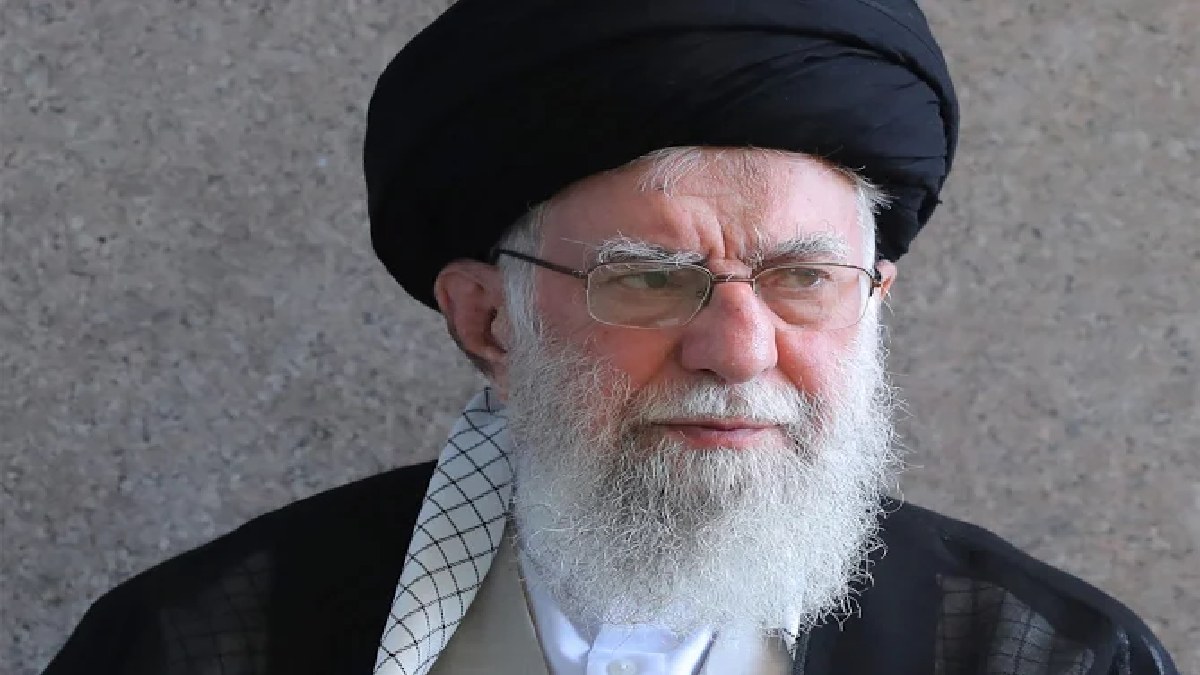
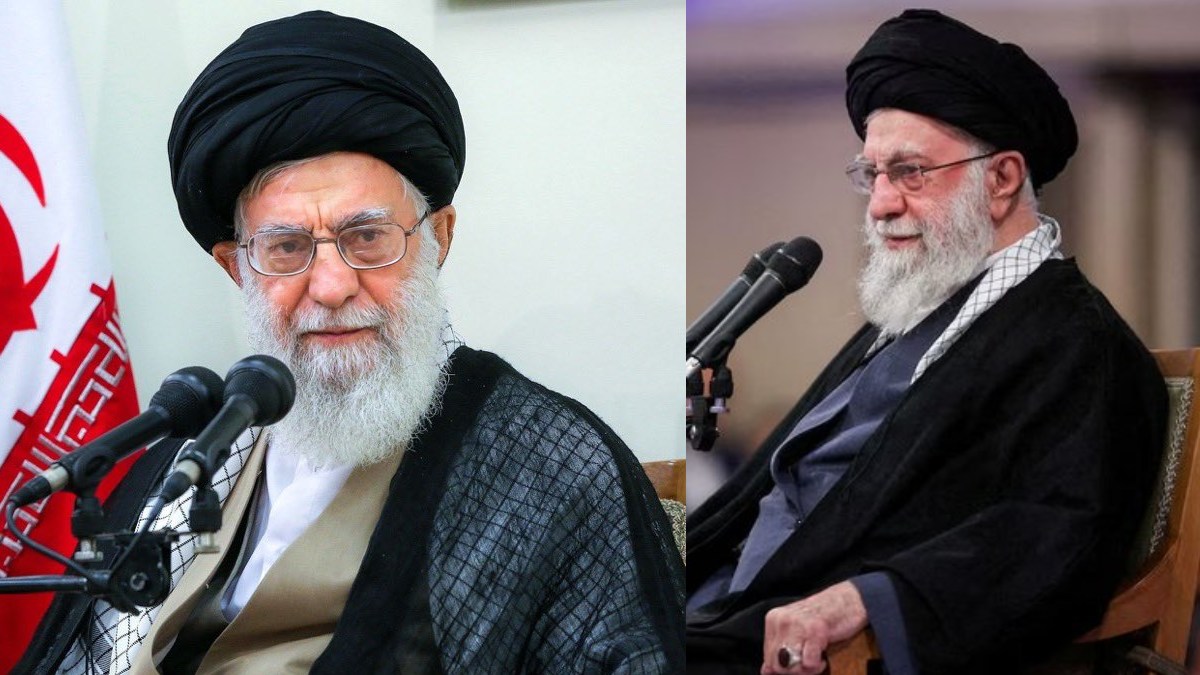
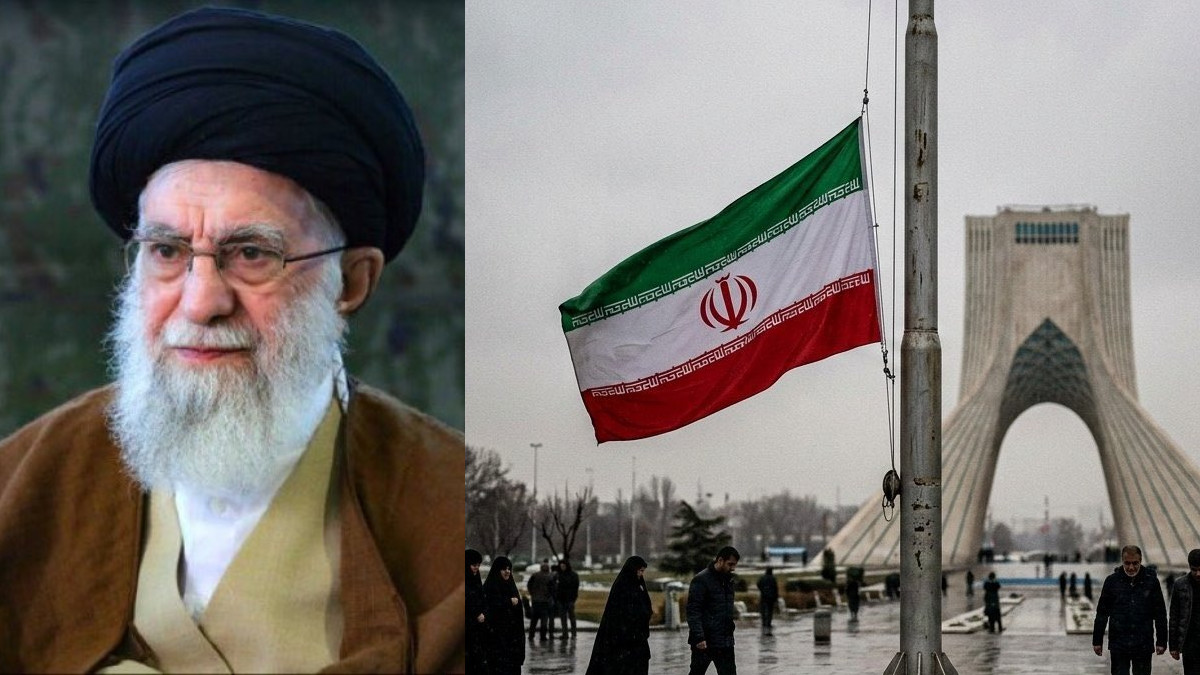
The Middle East is on a knife-edge after a joint US-Israeli “decapitation strike” that killed Ayatollah Ali Khamenei. But the Supreme Leader’s digital footprint continues to broadcast messages of defiance. The latest post, which mentions “Khorramshahr moments,” has sent out a clear signal to both domestic supporters and global adversaries: Iran is gearing itself up for a long, contested and transformative struggle.
The Historical Weight of Khorramshahr
To comprehend the post, one turns to May 1982. Khorramshahr was an Iranian port city captured by Iraq at the beginning of the Iran-Iraq War. It was held for 575 days under occupation before a major, unexpected Iranian counter-offensive freed the city. According to Iranian political rhetoric, then, ‘Khorramshahr moment’ means:
- A Turning Point: Moving from a period of loss and tragedy to a period of victory.
- Defying the Odds: Finding a military breakthrough while the world assumes the regime will collapse.
- Asymmetric Triumph: Applying ideological zeal and unconventional measures to defeat a technically superior foe.
Strategic Implications in 2026
Analysts argue that with this particular memory, the interim Iranian leadership and the IRGC, in particular is announcing to its base that although the “head” of the state has been lost, its “body” is primed for a counter-strike. Since the assassination, Iran has started raining an enormous barrage of ballistic missiles, such as the Fattah-2 hypersonic series, targeting assets in the Gulf and Israel. The “Khorramshahr” reference indicates that these are not merely retaliatory strikes, but the start of an “existential struggle” intended to provoke a total withdrawal of Western troops from the region.
The “Zulfiqar” Symbolism
These posts collectively frame Khamenei’s death not as an end but as a “martyrdom” intended to catalyze a “final struggle for liberation,” a storyline that’s now driving big protests in places like Kashmir and Lebanon.