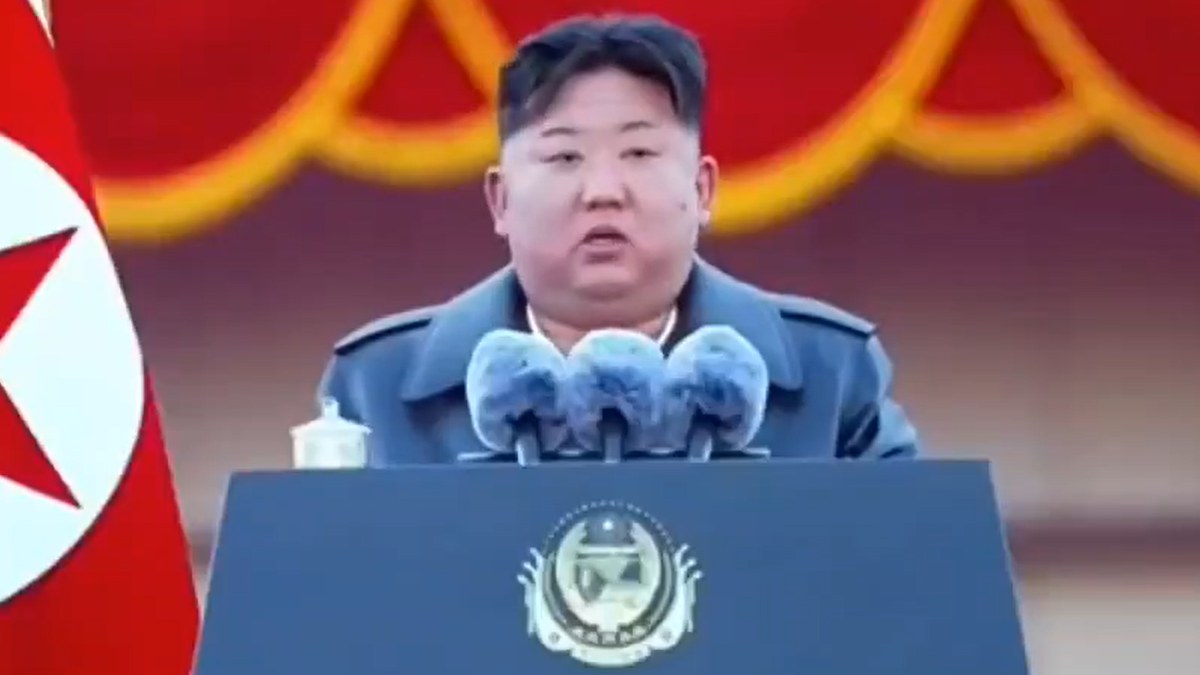
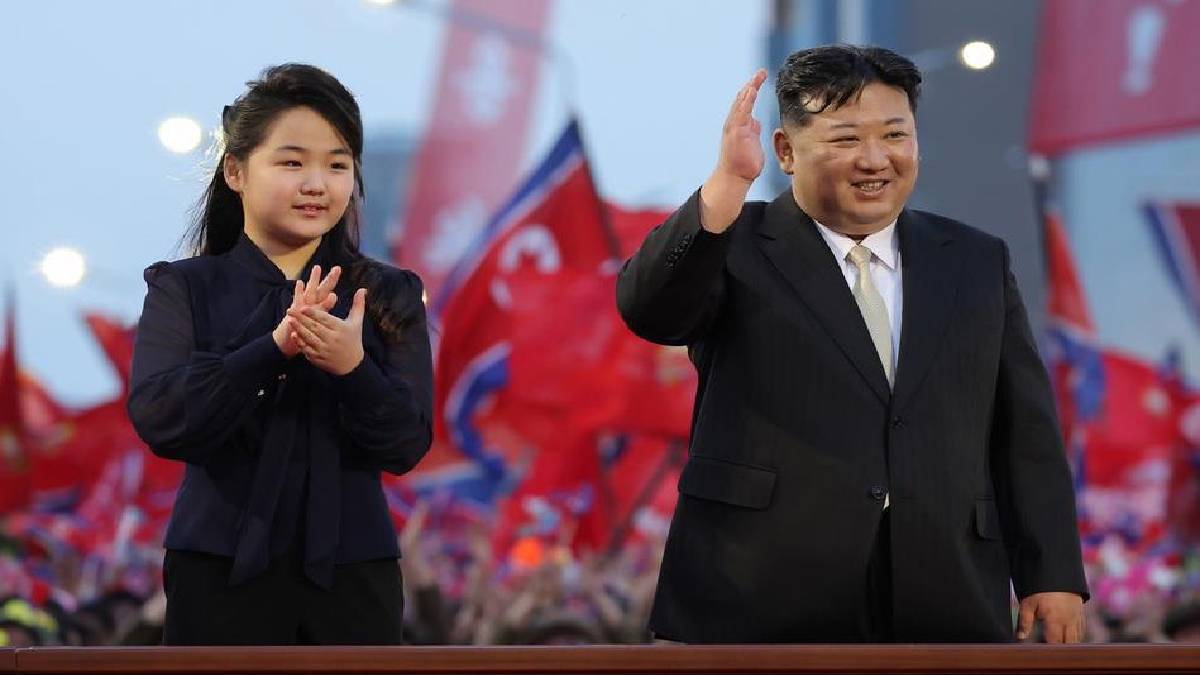
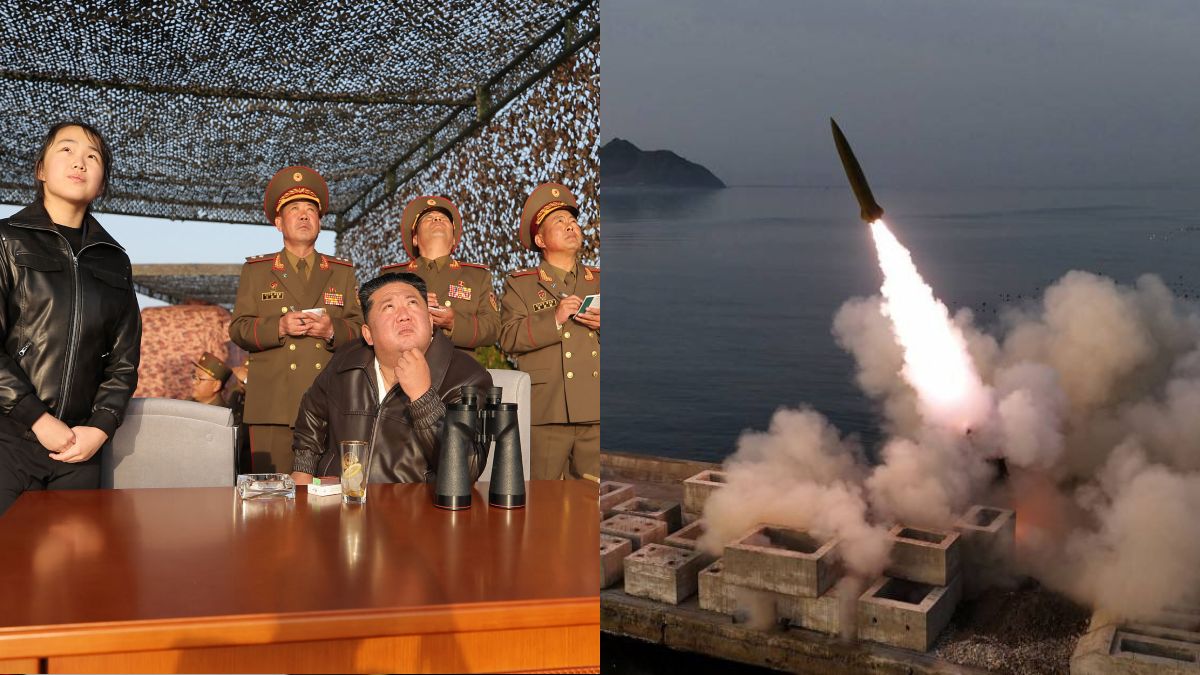
North Korean leader Kim Jong Un has reaffirmed his strong support for Russian President Vladimir Putin in his birthday letter to the world, declaring Moscow’s war effort a “sacred war of justice.” The letter, published by North Korean state media on Wednesday, October 7, comes as Moscow and Pyongyang are deepening their political, military and strategic partnership.
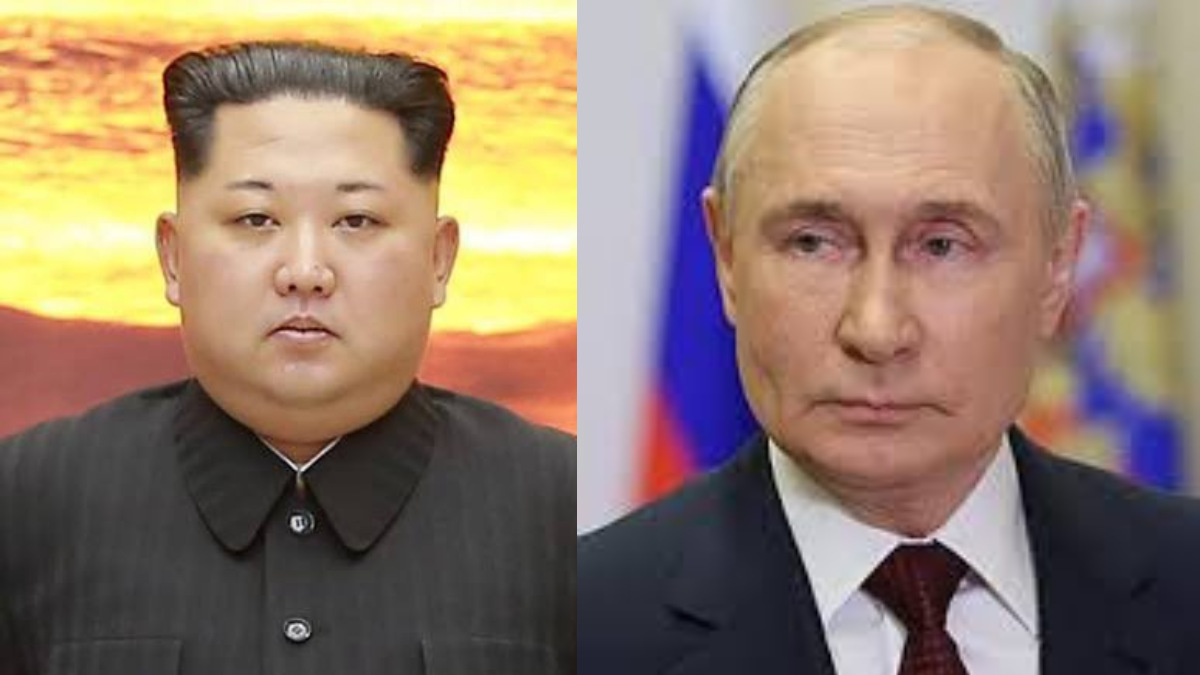
Kim’s letter was sent on Putin’s 74th birthday, and he described the close friendship between the two countries. According to the Korean Central News Agency (KCNA), Kim was pleased to have a good friendship with Putin and said he hoped to create a new chapter in relations between North Korea and Russia. He said the countries’ full strategic partnership and alliance was a firm policy of Pyongyang.
The North Korean leader also pledged his “invariable support” for Putin and the Russian Federation. Kim said he felt that the Russian people’s “sacred war of justice” was going to end in victory. The language speaks to Pyongyang’s continuing alignment with Moscow’s narrative of the war; the birthday message didn’t mention Ukraine as the main focus of the war.
The recent statement is important because relations between North Korea and Russia have changed drastically since Russia launched its full-scale invasion of Ukraine in February 2022. Moscow and Pyongyang have become closer diplomatically and militarily, and a comprehensive strategic partnership agreement was signed by Kim and Putin in June 2024. The agreement included a mutual defence clause that enhanced military cooperation between the two countries.
North Korea has also been accused by Ukraine and Western governments of providing direct military support to Russia. Estimates by international and South Korean officials indicate that Pyongyang has deployed thousands of troops to Russia since 2024. Estimates have put the total number of North Korean personnel sent to support Russia at about 14,000 to 15,000, but exact numbers are difficult to independently verify.

South Korean intelligence has also reported major North Korean casualties among personnel involved. In fact, an estimate by international media in early 2023 indicated that more than 6,000 North Korean troops had been killed or wounded. North Korea’s military involvement has thus become one of the most visible signs of the growing strategic relationship between Pyongyang and Moscow.
The partnership is more than just in terms of battlefield cooperation. Analysts and Western officials have pointed out that North Korea gets economic assistance, military technology and real-world battlefield experience from Russia, and Russia gets more military support and even more from North Korea in the form of economic support, military technology and practical battlefield experience. Both countries are both under heavy international sanctions and under siege from Western governments and the relationship has been established under the pressures of heavy international sanctions and increasing friction with Western governments.
Kim’s personal language toward Putin also underlined the close relationship between the two leaders. The North Korean leader referred to Putin as his “dearest friend” and ended the letter with him “dear comrade.” This language shows that North Korea is concerned about Moscow and that the partnership is more of a long-term strategic arrangement than a temporary one.
The latest birthday message will therefore be closely followed by Ukraine, South Korea, the United States and European governments. As the Russia-Ukraine war continues and North Korea plays a bigger role in Moscow’s war effort, Kim’s new pledge of support suggests that Pyongyang has no immediate intention of breaking away from the Kremlin. But the message also points to continued military and diplomatic cooperation between the two countries at a time of high geopolitical tension.