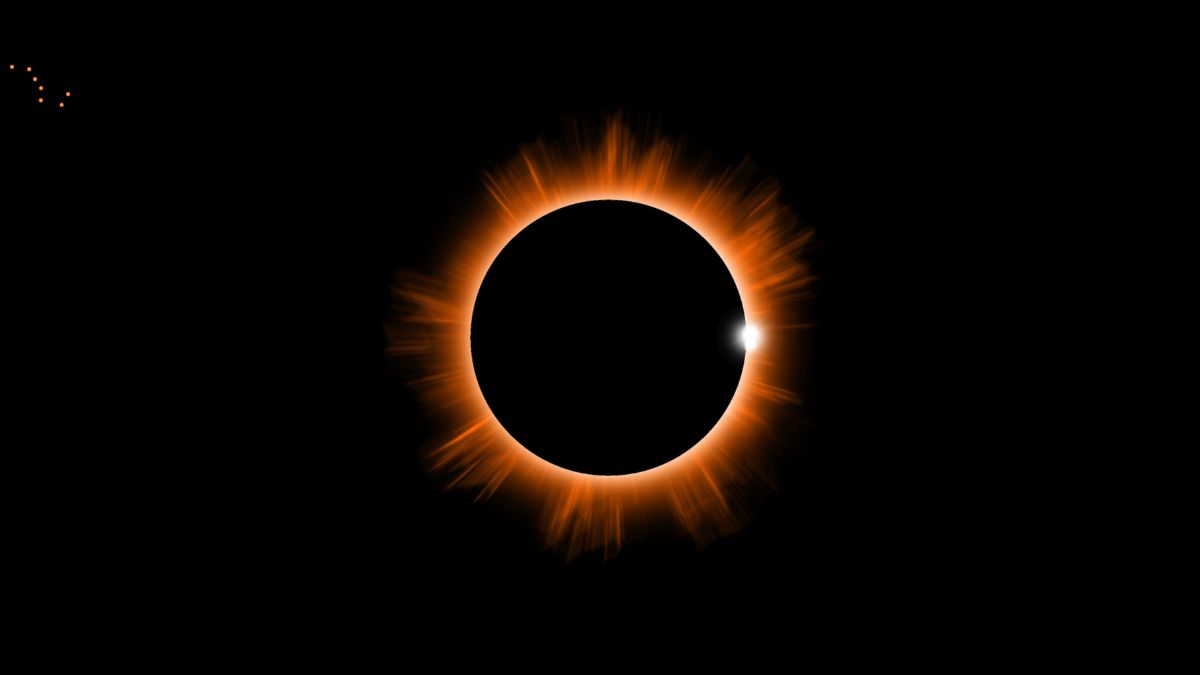
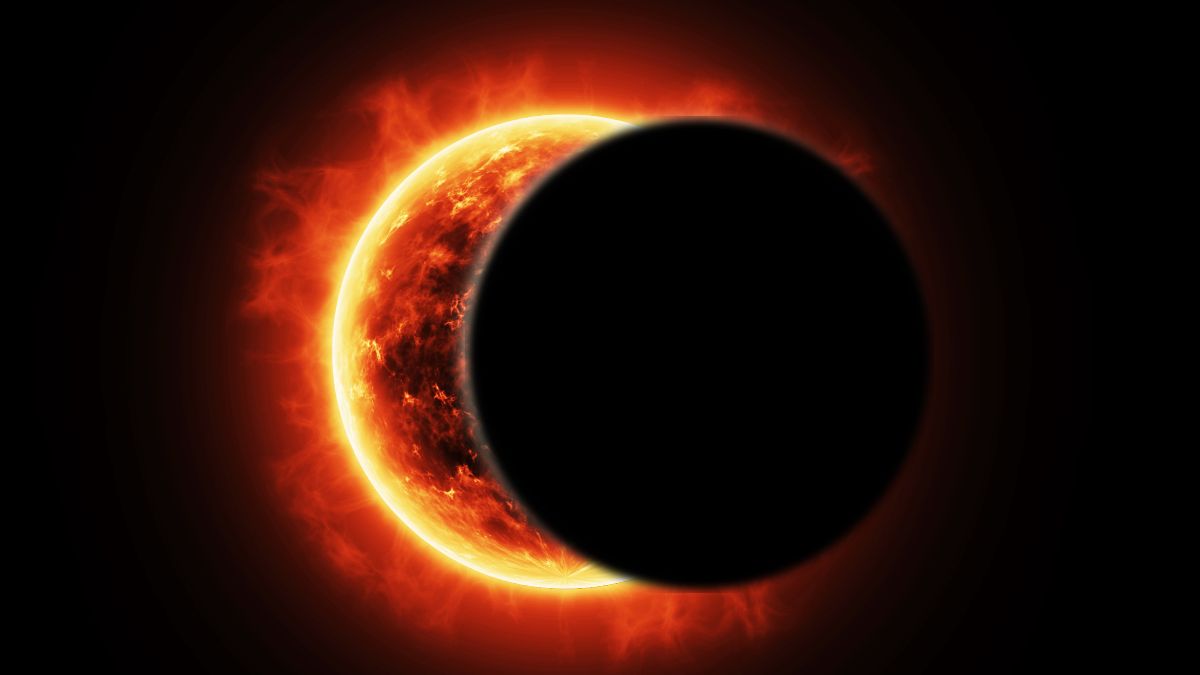
On August 2, 2027, skywatchers in various parts of the world will see an extraordinary astronomical event in the world - a total solar eclipse - which will be among the longest of the century. Scientists, astronomers, photographers, and millions of enthusiasts are expected to be excited about the unique phenomenon, and Saudi Arabia will be one of the best places to view it.
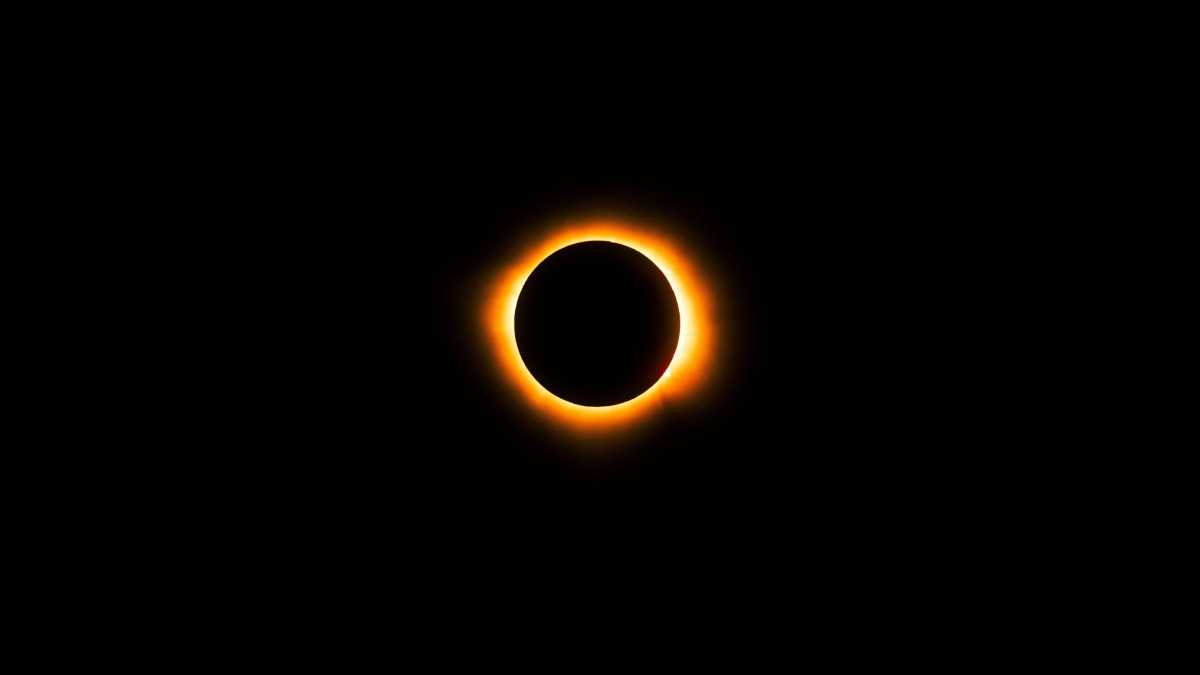
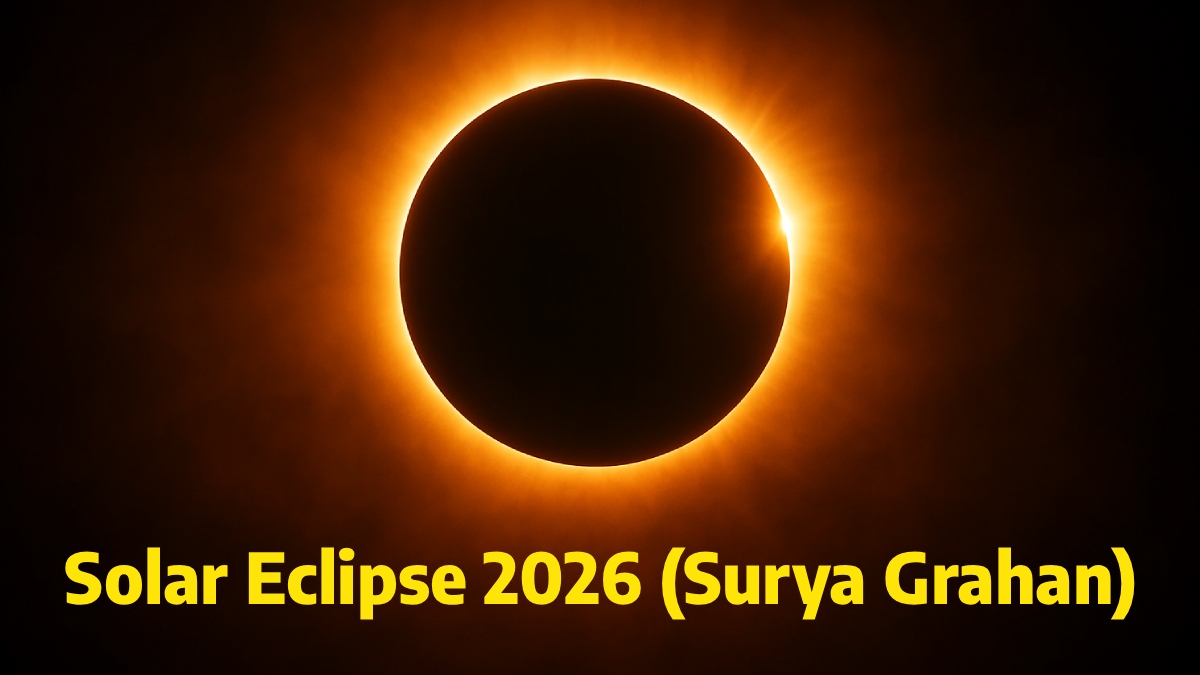
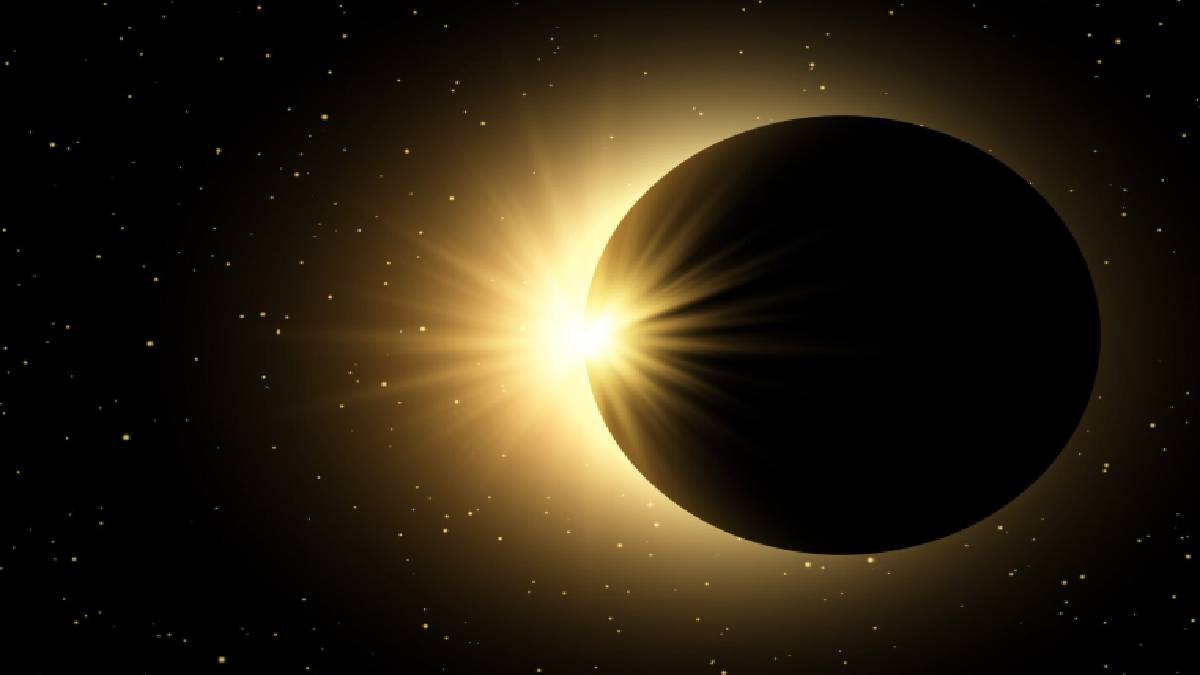
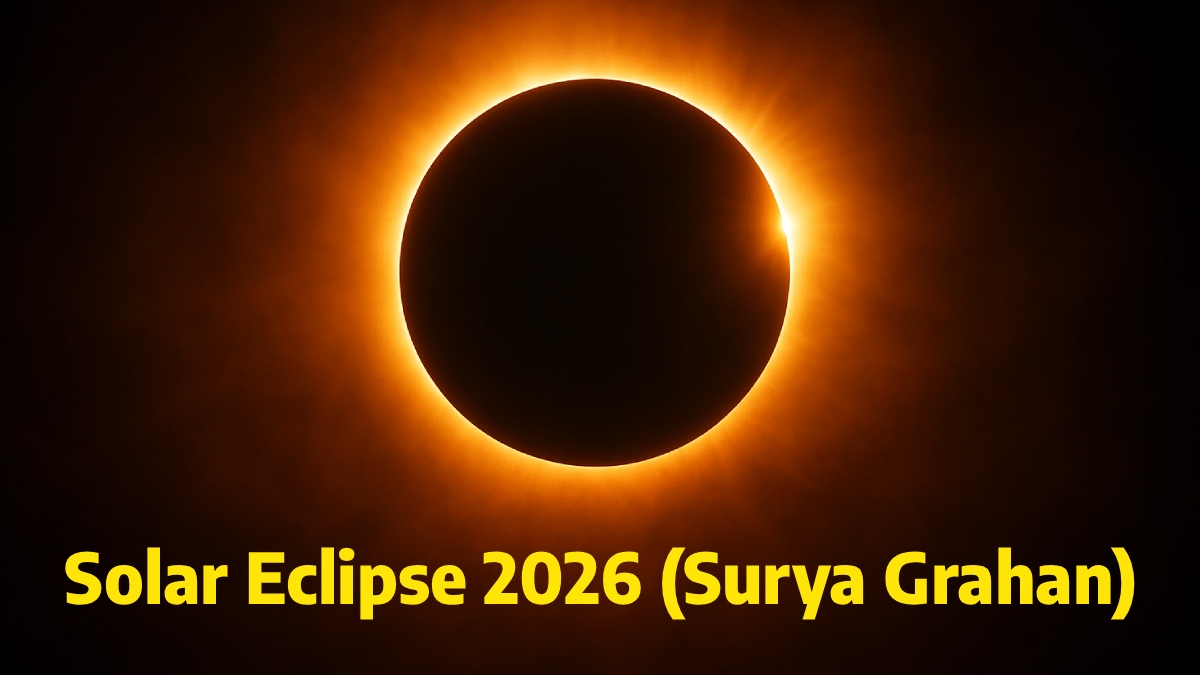
A total solar eclipse occurs when the Moon passes directly between the Earth and the Sun and completely blocks sunlight for a short time. During totality, the sky darkens as if it were twilight, temperatures drop, and the Sun's bright outer atmosphere, the solar corona, is visible. This spectacular phenomenon is only apparent to the naked eye during a total eclipse and is very promising for scientific research.
The path of totality on August 2, 2027, will pass through much of western and southern Saudi Arabia. According to the Saudi Space Agency, several cities and regions in the Kingdom will experience complete darkness for unusually long periods of time; for instance, in Abha in the south of the country, it will be in shadow for about six minutes, and Jeddah and parts of the western coast will see about five minutes and fifty seconds of darkness. These long periods of totality are rare, and this eclipse would make it one of the most important astronomical events in recent years.
Although neighboring Egypt will probably experience the longest duration of totality during the eclipse, Saudi Arabia is one of the top places to see the eclipse globally. In addition to the eclipses, scientists will have a remarkable opportunity to study the Sun’s corona, solar activity, and atmospheric change during total eclipses.
Not every part of Saudi Arabia will see the total eclipse. Residents in central, eastern, and northern regions will see a partial solar eclipse, where the Moon covers only a portion of the Sun. Depending on the location, the solar disk may be obscured by up to 80 percent, and the exact timing and coverage vary from one region to another.
The total eclipse path is expected to pass through many cities and provinces such as Mecca, Jeddah, Taif, Al-Baha, Al-Laith, Khulais, Bahrah, Al-Hada, Al-Shafa, Khamis Mushait, Al-Namas, Tanumah, Jazan, Najran, and several other western and southwestern provinces. Residents and visitors in these regions will experience one of the longest and most dramatic eclipse experiences in decades.
During totality, daylight will briefly change to twilight and will be an unforgettable sight. Bright stars and planets will appear in the daytime sky, and the brilliant solar corona will form a glowing halo around the darkened Moon. These are things that occur only during a total solar eclipse and are among the most beautiful sights in astronomy.
Astronomical experts have also stressed that we must be very careful to watch the eclipse safely. Looking directly at the Sun (without proper eye protection) can cause permanent eye damage. Viewers are recommended to wear certified solar eclipse glasses or use telescopes with approved solar filters. Normal sunglasses are not safe for viewing the eclipse.
The total solar eclipse of August 2, 2027, is, in fact, a unique opportunity to galvanize space science, astronomy, and scientific education to a new level; it is one of the longest total solar eclipses of the century and will go down in history as one of the most celebrated events in skywatching and science.