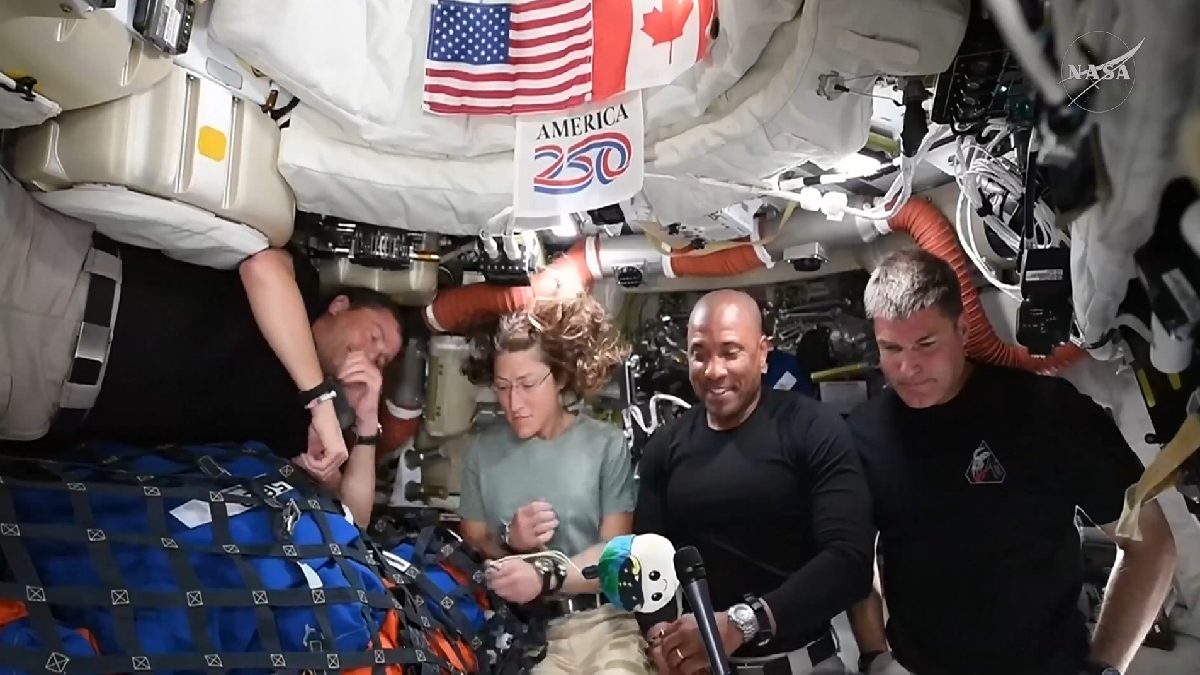
In a game changing action, NASA has just successfully launched Artemis II as it is on the Moon for the first time in over five decades.
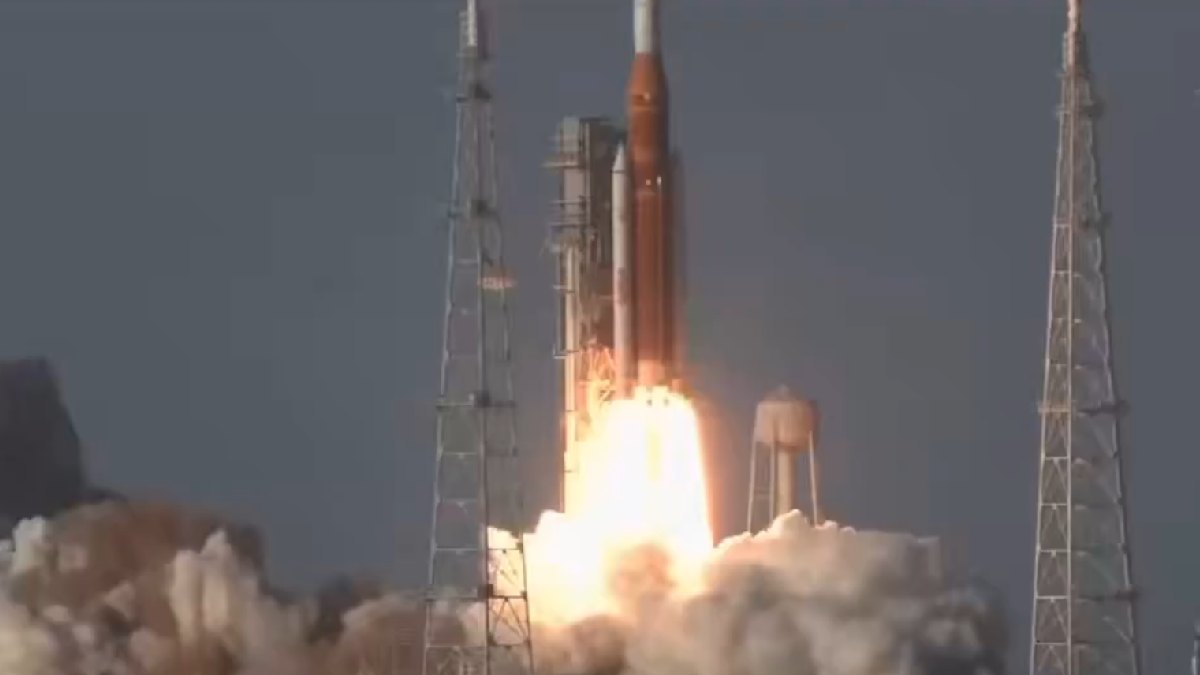
On the launch of the Orion spacecraft and its crew from Kennedy Space Center's powerful Space Launch System rocket, a major mark in humanity's history and history of return to deep space exploration.
Artemis II was the first crewed mission of NASA’s Artemis program and aims to pilot astronauts on a moon flyby and to test crucial systems to achieve landing on the Moon. The mission builds on an operation already successful in Artemis I, when nine crewed astronauts swam around the Moon.
The crew will go thousands of kilometers beyond Earth and beyond human orbit as far in space as had a human ever traveled from Earth in 1972, when the Apollo 17 mission. During the trip, astronauts will evaluate the survival systems on board and navigation, and general survival ability of the spacecraft in deep space so people will have something analogous to living on earth as if it were to move about inside of that spacecraft's life support system, and what would be to make the astronaut’s performance look good in outer space in high-pressure and cold climate conditions.
NASA officials hailed the launch as a crucial step toward establishing a sustainable human presence on the Moon. The Artemis program serves as a jumping-off point for future missions on Mars and an important part of the global collaboration will also be employed.
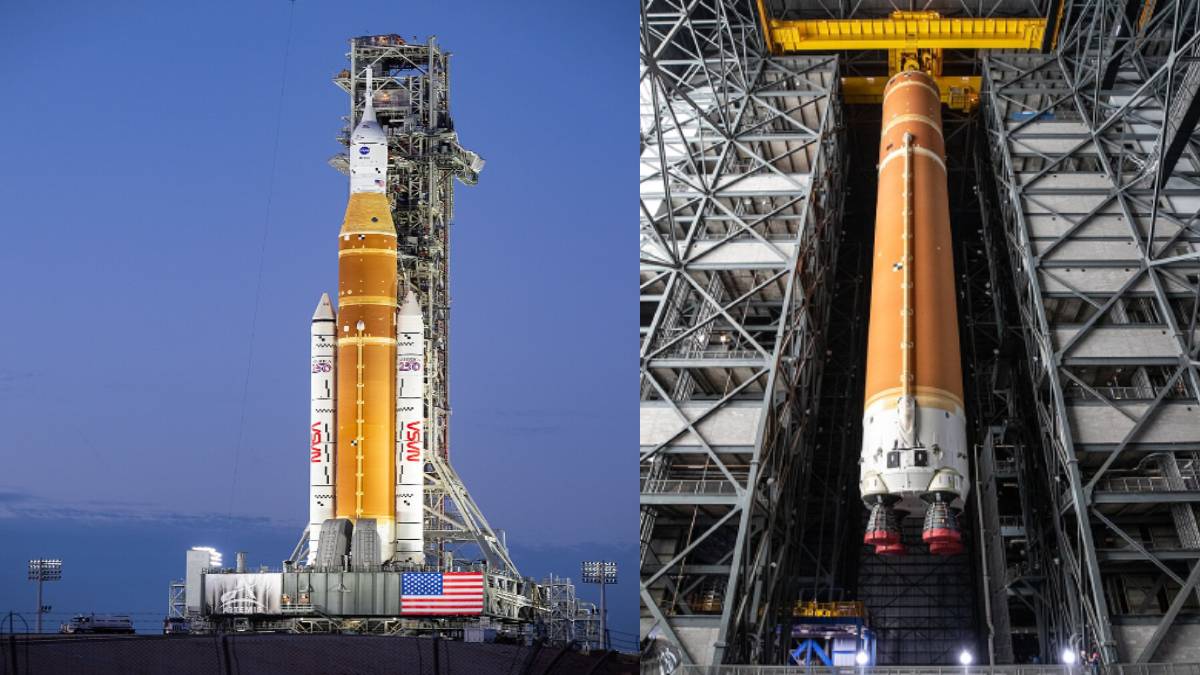
The launch has reignited a global sense of interest in the future of space exploration and a new generation to look toward the stars. If all goes as planned, our next Artemis mission is to take astronauts on the Moon. The first woman and the first person of color are even going into space after they land there.
In Artemis II this time mankind takes another step forward to coming back to the Moon, and then even deeper into the universe.