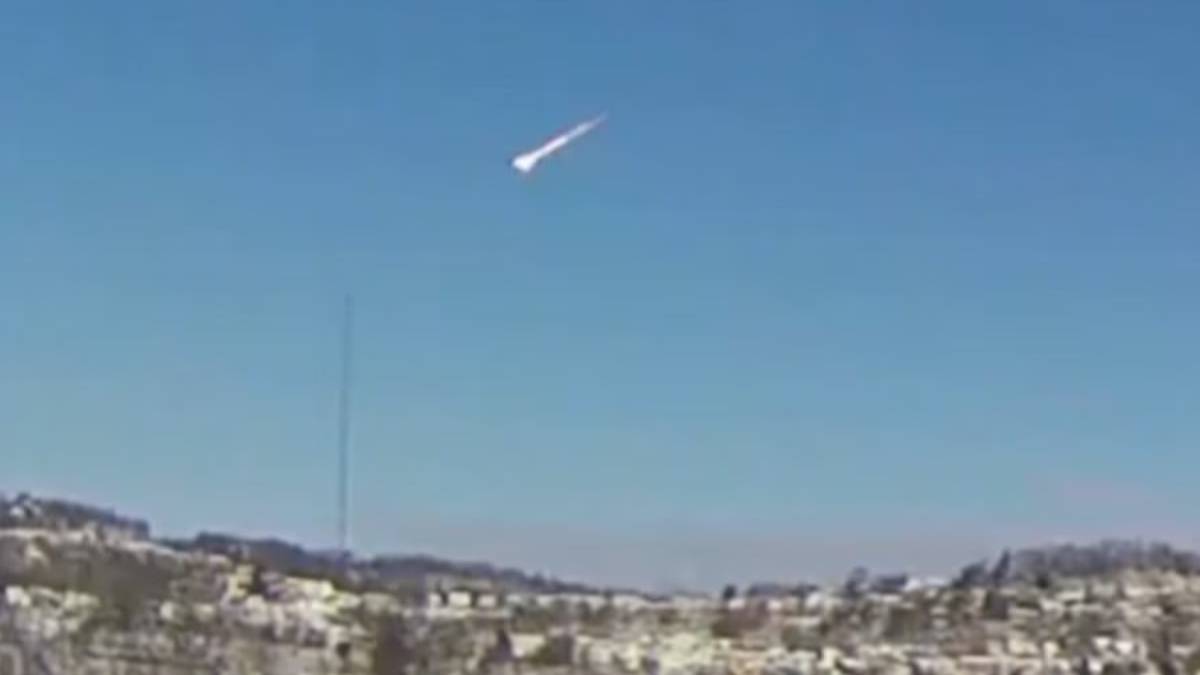
NASA’s Van Allen Probe A, a satellite launched in 2012 to investigate the radiation belts on Earth, has reached the end of its journey. The spacecraft started re‑entering Earth’s atmosphere on March 10–11, 2026. The concept of a “satellite crash” may seem menacing, but experts say most of the probe will burn during descent, leaving a very small amount of material falling. It’s the inevitable result of one of the most valuable scientific missions with data that lasted nearly 14 years.
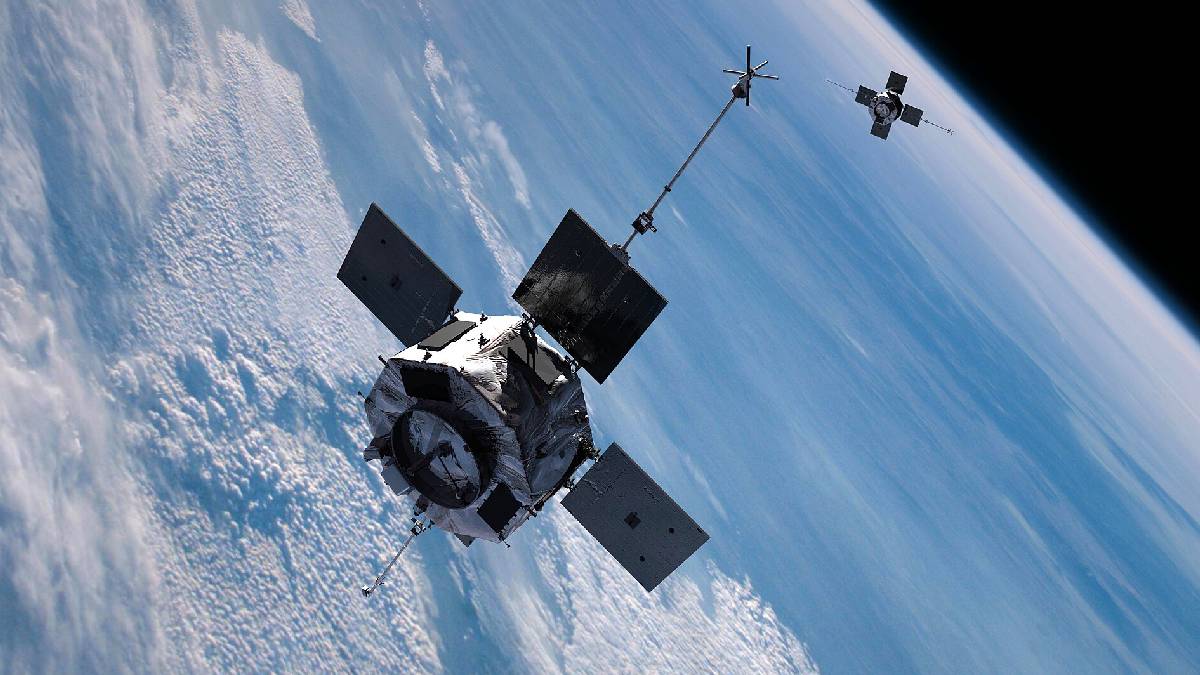
The Van Allen Probe A weighed approximately 600 kilograms (1,300 pounds) and was one of two satellites sent on orbit to explore the Van Allen radiation belts. These belts are patches of charged particles trapped in the Earth’s magnetic field. The mission taught scientists how radiation impacts satellites, astronauts and communication systems. Probe B was decommissioned before, now Probe A has gone in to do the same, final stage completion by re‑entry.
NASA and the U.S. Space Force followed the satellite’s descent closely. Many of the spacecraft were anticipated to vaporize in the atmosphere under intense heat. Some debris could survive, but the danger to civilians is very limited. NASA predicted only a 1 in 4,200 chance of harming anyone on Earth. The debris was expected to plunge into the open sea, so there was less danger.
Van Allen Probes missions were widely regarded as a very successful mission. They showed how radiation belts expand and contract, and how solar storms are a hazard to Earth’s space environment. This information is important to defend satellites, GPS systems and astronauts traveling outside the physical environment. The end of the mission does not diminish its contributions, but rather serves to underscore the natural lifecycle of space technology.
News of the re‑entry of the satellite received a global round of attention. Some headlines called it a “satellite crash,” but the timing of this was a controlled, predictable event, NASA said. Scientists confirmed to the public there was no cause for concern. The story served as a reminder, too, of how space missions end – frequently with re‑entry and burn‑up.
When the Van Allen Probe A descends with such fury the result is not catastrophic - it represents the very start and future of space exploration. And for the public, it is a chance to contemplate how satellites work to benefit humanity, and how their endings fit into the broader narrative of science and discovery.