Hundreds of coastal residents in New Zealand were forced to evacuate on Tuesday as powerful 11-metre (36-foot) waves crashed into parts of the capital Wellington, forcing authorities to declare a state of emergency in several coastal areas.
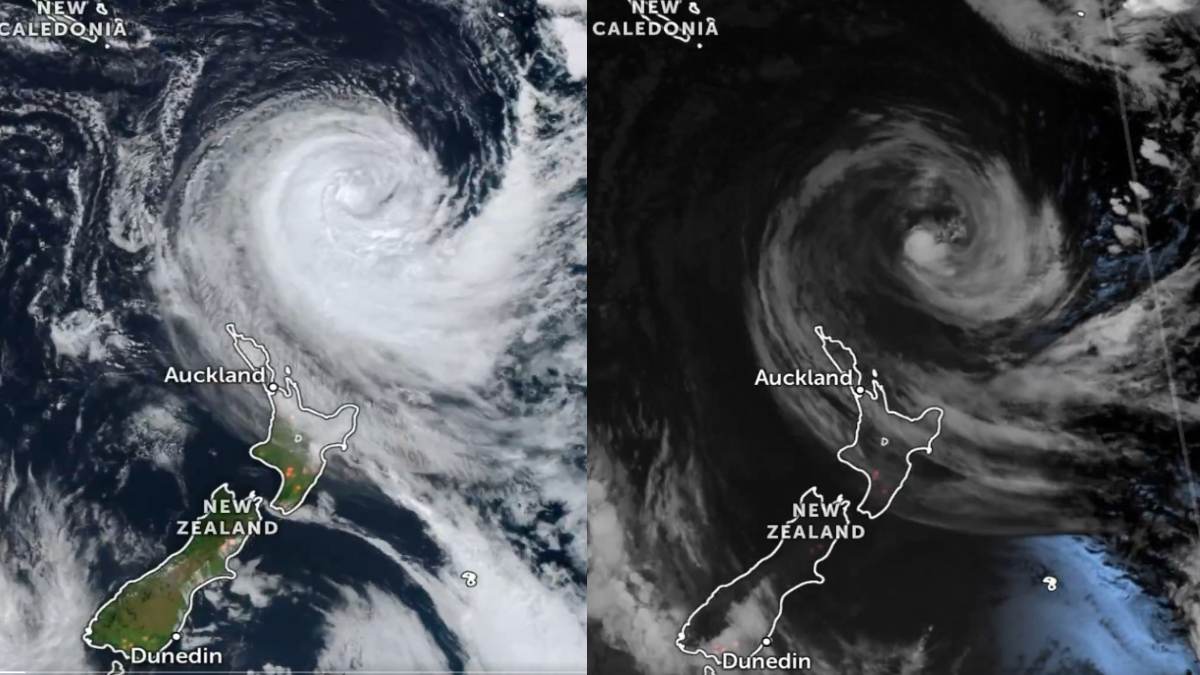
The extreme weather event, described by officials as one of the most severe in recent years, threatened homes, roads and public infrastructure along Wellington’s exposed southern coast. As giant swells approached the shoreline, Wellington Mayor Andrew Little declared a local state of emergency for the coastal suburbs of Owhiro Bay, Island Bay, Houghton Bay, and Breaker Bay.
Mandatory evacuation orders were issued Tuesday morning, and residents were told to leave immediately to higher ground. Police were sent on Tuesday to assist with evacuation orders and set up roadblocks to keep people away from dangerous areas, officials said. Emergency officials warned that the situation could be life-threatening in seconds as the powerful swells reached the coast and overwhelmed the coastline.
Mayor Andrew Little had an unequivocal message for residents: emergency workers would not risk their lives to save people who failed to heed evacuation orders and chose to stay in dangerously hazardous coastal areas.
The waves in Wellington Harbour reached an extraordinary height of 11 metres, MetService said, and the event was much worse than a similar storm in 2021, when waves hitting Wellington Harbour were six and a half metres high. Waves of around 6.5 metres had a major impact on homes and coastal infrastructure in Breaker Bay.

The massive ocean swells were accompanied by destructive winds that swept through the capital throughout the day. Wind gusts reached up to 128 kilometres per hour (80 miles per hour) and created dangerous conditions for drivers, pedestrians and aircraft.
In Island Bay, strong gusts and crashing waves inundated roads along the coastline. Strong winds threw people off their feet, and seawater flooded streets and walkways, witnesses said. The combination of high waves and strong winds made it so bad that police closed off some coastal routes and restricted public access.
The weather also caused massive disruptions to Wellington Airport, one of New Zealand’s biggest transportation hubs. Crosswinds forced flights to be cancelled or delayed and made take-offs and landings unsafe. Airport operations were also frustrated when a parked light aircraft belonging to regional airline Golden Bay Air was overturned by gale-force winds.
The aircraft, which was not occupied at the time of the incident, was flipped onto its side by the wind. Emergency firefighters were quick to respond and secure the aircraft, preventing any further damage, said Golden Bay Air Chief Richard Molloy.
Emergency management personnel monitored the coastal conditions throughout the day, and meteorologists warned that rough seas and strong winds could persist for several hours. Residents of the affected areas were advised to monitor official updates and stay away from beaches, sea walls and coastal roads until authorities declared those areas safe.
The extraordinary weather event represents the latest reminder of the growing vulnerability of coastal communities to extreme weather conditions. No major injuries were reported, but officials stressed that public cooperation was vital as New Zealand braced for one of the strongest coastal storms to hit Wellington in recent years.