Moscow claims it can supply India with as much crude as it wants as Washington mulls tougher measures against buyers of Russian energy.
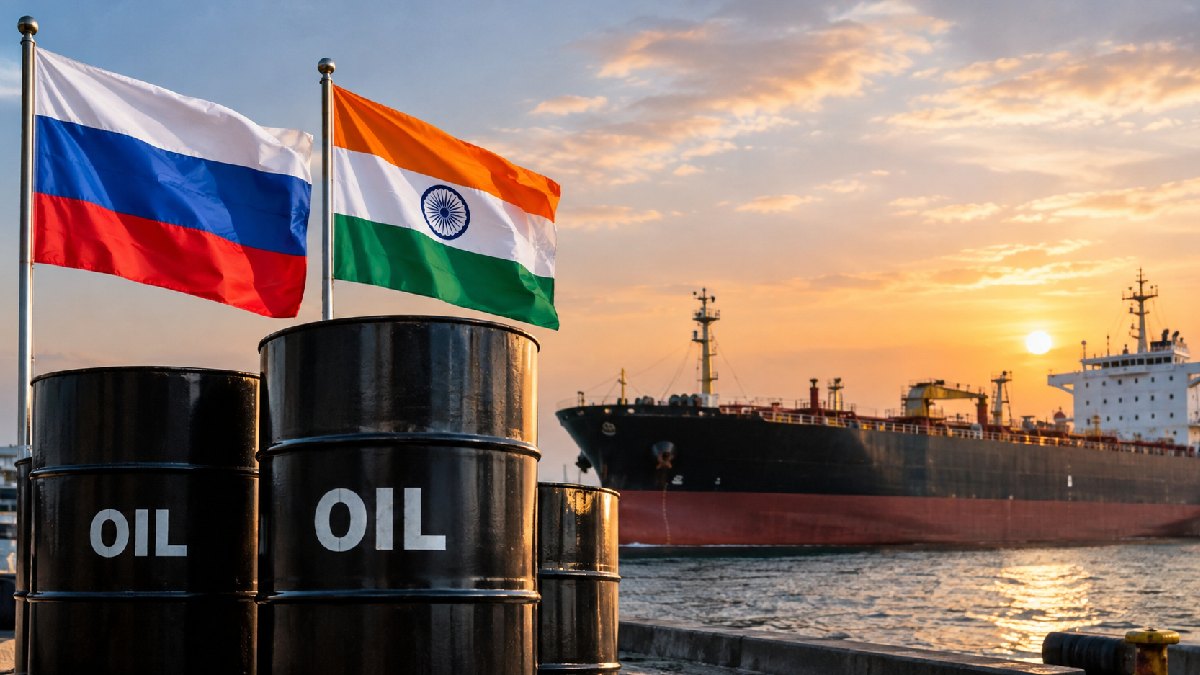
Russia has pushed back against growing pressure over its oil exports to India, saying countries that are seeking to force Moscow to pay for it with money and not through better commercial offers should do more than “confront with this pressure.” Russia has said that it will continue to supply India with as much crude oil as it needs to meet the energy needs of India even as the United States is increasingly concerned about the purchase of Russian petroleum from India.
Russian ambassador to India Denis Alipov said Moscow was ready to continue to support India's energy needs and blamed countries for trying to discourage India from buying Russian crude. In an interview with ANI, Alipov said Russia would be ready to supply India with as much oil as it needed and that sanctions and tariffs were preventing other suppliers from competing with Russia on commercial terms.
His comments come as Washington has been debating how to respond to potential penalties against countries that still buy Russian energy. A sanctions proposal by the late US Senator Lindsey Graham, a strong advocate of Ukraine's interests, would give U.S. President Donald Trump the power to impose tariffs up to 100% on the largest buyers of Russian crude and natural gas as well as countries that have helped Moscow skirt energy-related sanctions.
The prospect of tougher measures has brought even greater international attention to India’s energy relationship with Russia. India has claimed that its energy procurement decisions are driven by national interests in terms of affordability, supply security and the demand of the country’s huge domestic market. Russian crude has become a key component of India’s import basket since Western sanctions and price curbs in energy trade have affected international energy trade on the heels of the Russia-Ukraine conflict.
In August, Russia was the largest crude oil supplier to India according to Kpler, maritime intelligence and research firm. Indian refiners imported an estimated 2.1 million barrels per day of Russian crude during the month, about 45% of the country's total oil imports. The volume was still significant but was lower than the 2.8 million barrels per day that took place in July, which was a record.
Other important crude suppliers to India include the United Arab Emirates, Saudi Arabia, Venezuela and others. The changing import pattern of Indian refiners can be understood as they are trying to balance cost advantage to diversify supply and the change in global oil landscape in a complex global oil market.
India’s overall crude import in August also fell compared with the previous three months. The imports had climbed in May, June and July as refiners jumped in response to concerns that a deepening conflict in West Asia could disrupt global energy supplies. Total crude imports in August were estimated at about 4.6 million barrels per day, down nearly 8 percent from the more than 5 million barrels per day imported in July.
The energy relationship between India and Russia has also shifted in an unusual direction, and petroleum products are now moving in the opposite direction, too. Russia is still a major supplier of crude oil to India, and Moscow has approached Indian refiners to purchase petrol after the damage to parts of the domestic oil-refining system from repeated Ukrainian drone attacks.
The ship-tracking data indicates that India sent more than 1 million barrels of petrol to Russia in June and July. Russia, traditionally a major global exporter of refined petroleum products, imported petrol from India to help relieve shortages caused by the disruption of its refining capacity.
India’s growing status as a global exporter of refined petroleum products has been able to give its refiners the means to respond to changing international demand for refined petroleum products. The petrol shipments to Russia show how the ongoing conflict has changed the energy trade routes and opened up new trade routes and commercial relationships.
India’s situation illustrates the challenge of keeping energy security when under pressure from major geopolitical partners. Russian crude is available and competitive; the country is also in agreement with the US, Gulf producers and other suppliers.
Russia, meanwhile, seems determined to preserve its position in the Indian market. Alipov said in his remarks that Moscow sees its ability to offer competitive supplies as an important advantage and that tariffs or sanctions may ultimately distort the energy market.
And as Washington weighs more sanctions on Russian energy buyers, India's crude purchasing strategy will remain closely watched. A change in sanctions policy will have implications for global oil trade and refinery economics and energy costs for major importing countries.
The developments are underlining the ever more interdependent nature of the India-Russia energy relationship. From Russian crude reaching Indian refineries to Indian petrol shipping back to Russia, the relationship has become much more than a buyer-seller relationship. At the same time, India must maintain affordable, reliable energy supplies and navigate the competing geopolitical pressures of global oil trade.