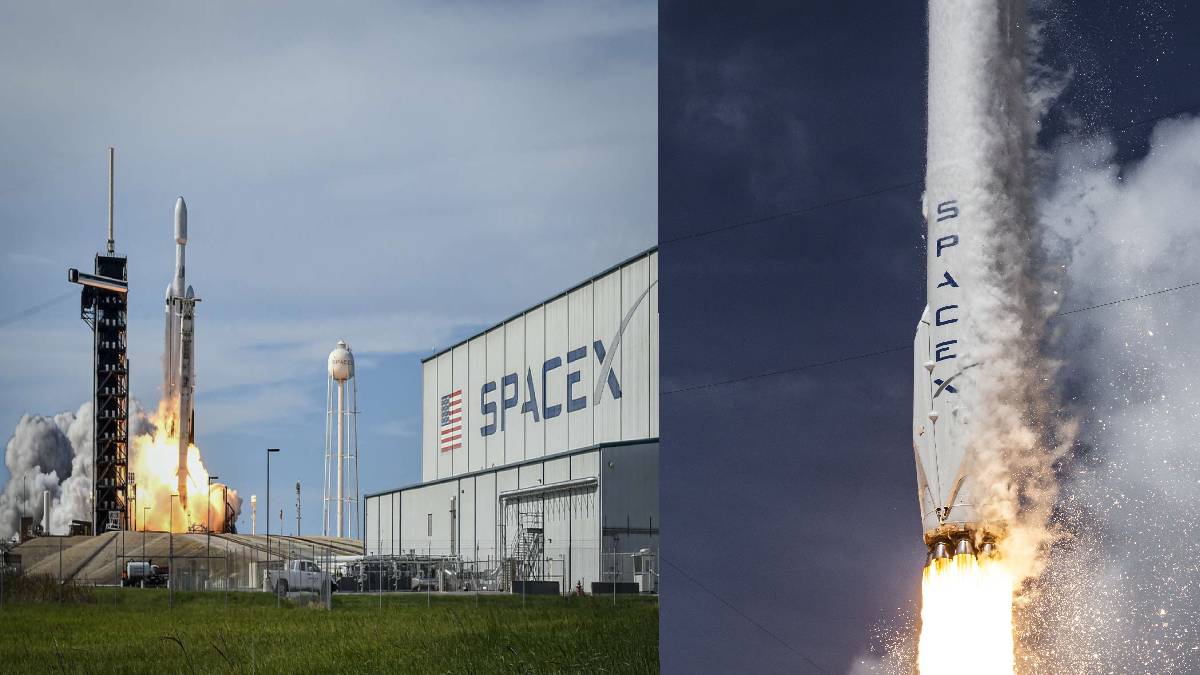
SpaceX is preparing for another attempt to launch its massive Starship rocket after a last-second abort delayed the mission during its previous countdown. The company now aims for Starship Flight 13 to be launched early Friday morning from its Starbase facility in Texas, USA.
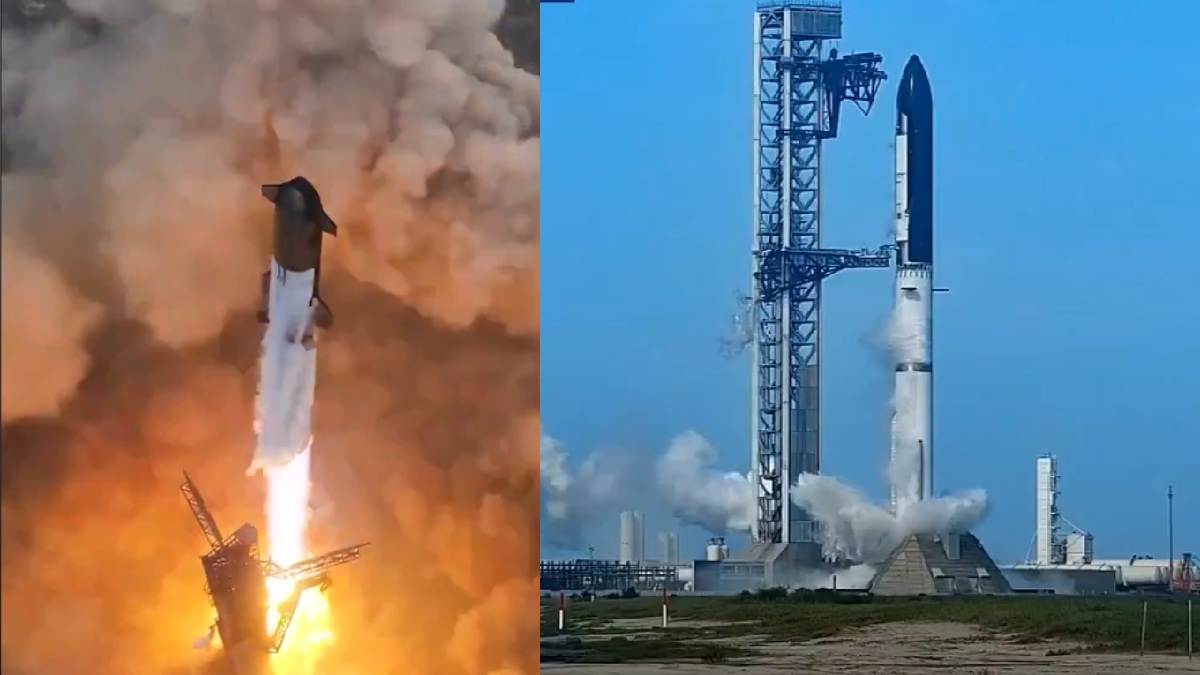
The launch is currently scheduled to be at 4:15 am IST on Friday, July 24 with a 90 minute launch window. The uncrewed test flight will be closely monitored as SpaceX continues to build the world's largest and most powerful rocket for future missions to the Moon and Mars.
Starship is at the heart of SpaceX’s future deep-space ambitions. NASA has selected a modified version of the spacecraft for its Human Landing System programme, which is intended to support future Artemis missions to return astronauts to the Moon.
Why Starship Flight 13 Is Important
Flight 13 will be the 13th integrated test flight of the Starship-Super Heavy launch system and the second test involving the upgraded Version 3 vehicle.
One of the most important objectives of the mission will be the deployment of 20 simulated Starlink Version 3 satellites. The demonstration will serve as the first payload test for the new-generation Starship system.

The simulated satellites are not designed to stay in orbit. Instead, they are to be re-entered Earth's atmosphere as part of the test mission.
SpaceX will also use the flight to evaluate upgrades to both the Super Heavy booster and the upper-stage Starship spacecraft. Engineers will be closely monitoring the rocket's propulsion systems, stage separation and flight performance.
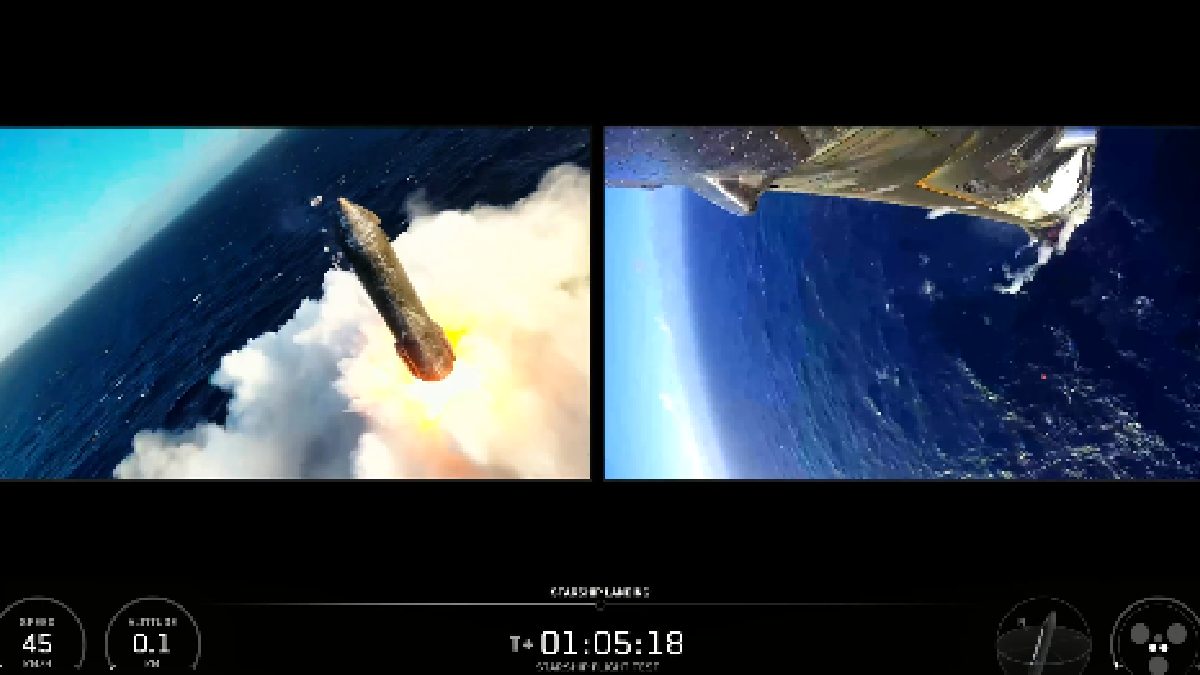
After separation, the Super Heavy booster will make a controlled descent before splashing down in the Gulf of Mexico. Starship will continue on a suborbital flight path and will splash down in the Indian Ocean after a mission of a little over an hour.
Why Was the Previous Launch Aborted?
The Flight 13 mission was originally scheduled to launch on July 16. But the countdown was automatically stopped less than one second before liftoff.
Several of the 33 Raptor engines of the Super Heavy booster failed to ignite properly. SpaceX's automated safety systems detected the issue and aborted the launch before the rocket could leave the launch pad.
After the incident, SpaceX CEO Elon Musk said that two Raptor engines would be replaced. The company subsequently conducted additional inspections and preparations for the next launch attempt.
A Step Towards the Moon and Mars
Although Flight 13 will not carry astronauts, its success would be another key step in Starship development.
SpaceX is trying to show that the giant spacecraft can eventually support regular heavy-lift missions, lunar landings and human spaceflight. NASA's Artemis programme will also use a modified Starship spacecraft for future lunar missions.
The test will also yield valuable information on all critical technologies like propulsion, stage separation, heat shielding and atmospheric re-entry.
SpaceX is expected to launch its official live webcast 30 minutes before liftoff. Millions of people across the world will be watching the launch to see Starship continue to advance toward its ultimate goal of transporting humans to the Moon.