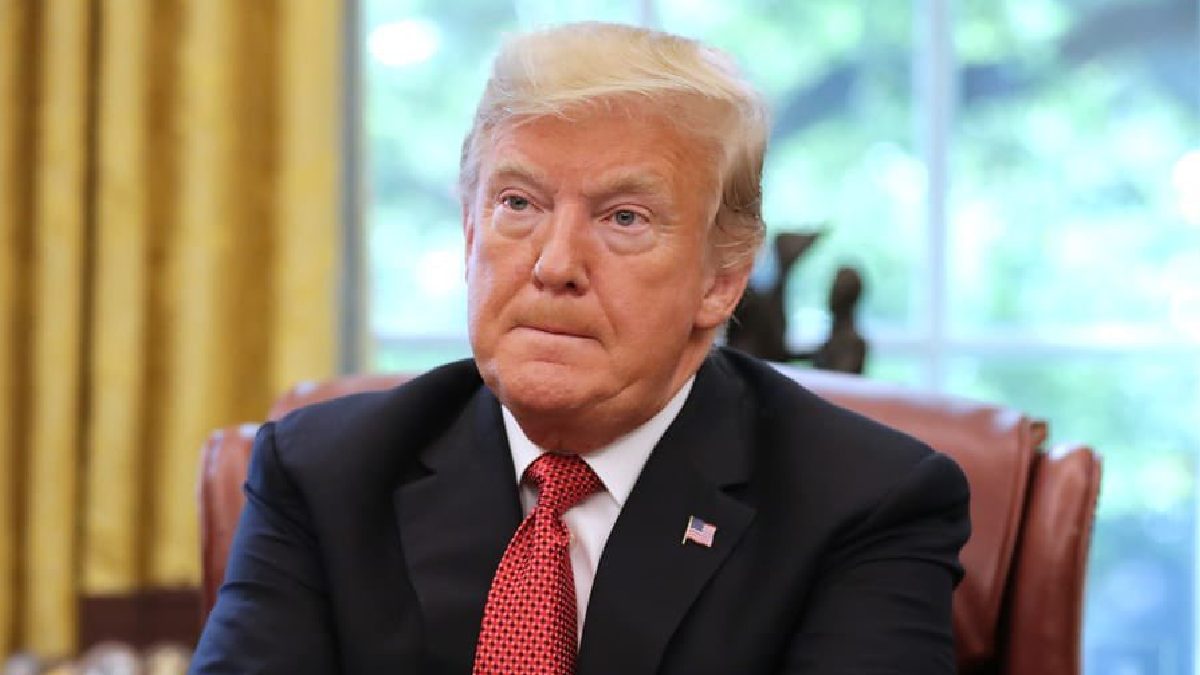
An announcement that has been as shocking as it sounds, and which is one that immediately seized the national attention, declares that President Donald Trump said America will now rededicate itself to God on May 17, 2026. “We’re going to rededicate America as one nation under God,” he declared with confidence. The statement has ignited a nationwide discussion, excitement with backers and apprehension about what it means for the nation’s future. This piece explains what the statement announced, why it matters, and how people are reacting.
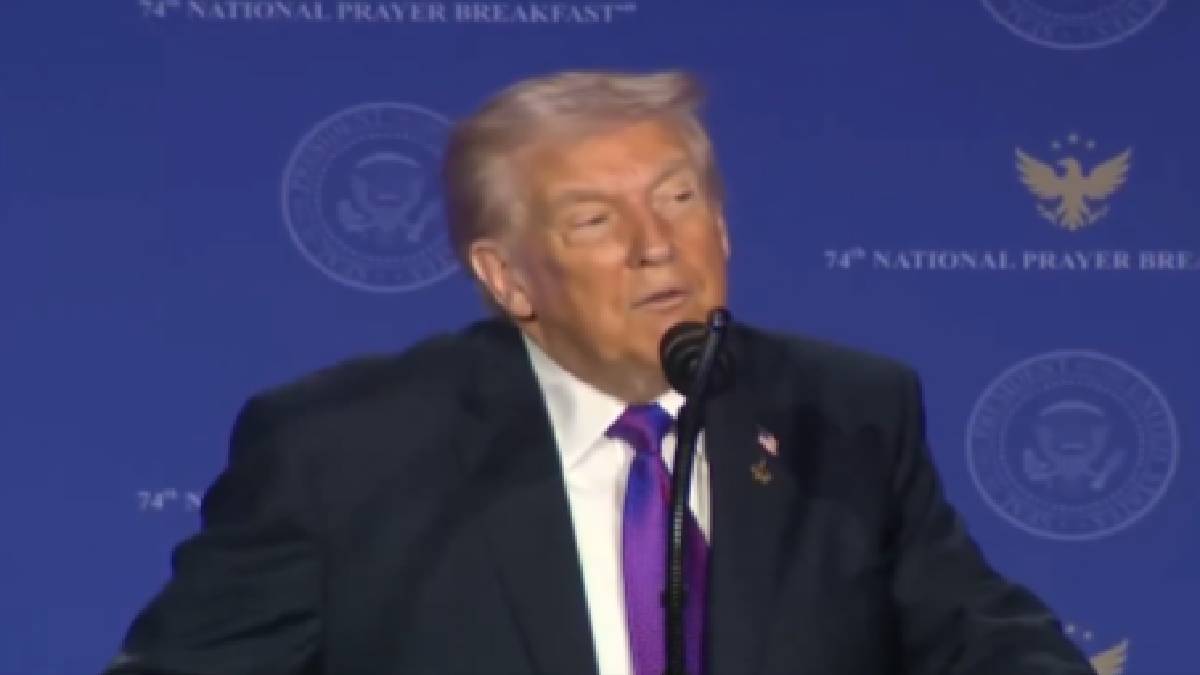
The announcement was made by President Trump in a public presentation focusing on faith and unity in the US. The rededication, he said, has been “symbolically rededicated” as a way to remind citizens about the nation’s spiritual roots. He chose May 17, 2026, as an event that will involve ceremonies, prayers and national gatherings, he said, though in a vague form. Many supporters echoed the phrase “Christ is King,” underscoring the religious tenor of the declaration. For Trump, the rededication is less about politics than a reaffirmation of America’s role as a country that is founded on faith and values.
America as “one nation under God” has deep roots. The phrase was inserted into the Pledge of Allegiance in 1954, during the Cold War, as a way to highlight the nation’s spiritual strength. Presidents over time have talked a lot about faith, but Trump’s announcement is novel because it frames a specific date for a national rededication. Much of this effort is also viewed as an attempt to restore traditional values and as a reminder to citizens of the role religion has taken in American history.
As Trump puts it, the rededication will consist of:
- National ceremonies across states.
- Religious prayers and congregations that are conducted by faith leaders.
- Public events to honor unity and values.
Details have not fully been clarified, but the day will likely be treated as a major national occasion, the release said. Supporters say it will bolster the nation’s moral foundation; critics fear a division between church and state.
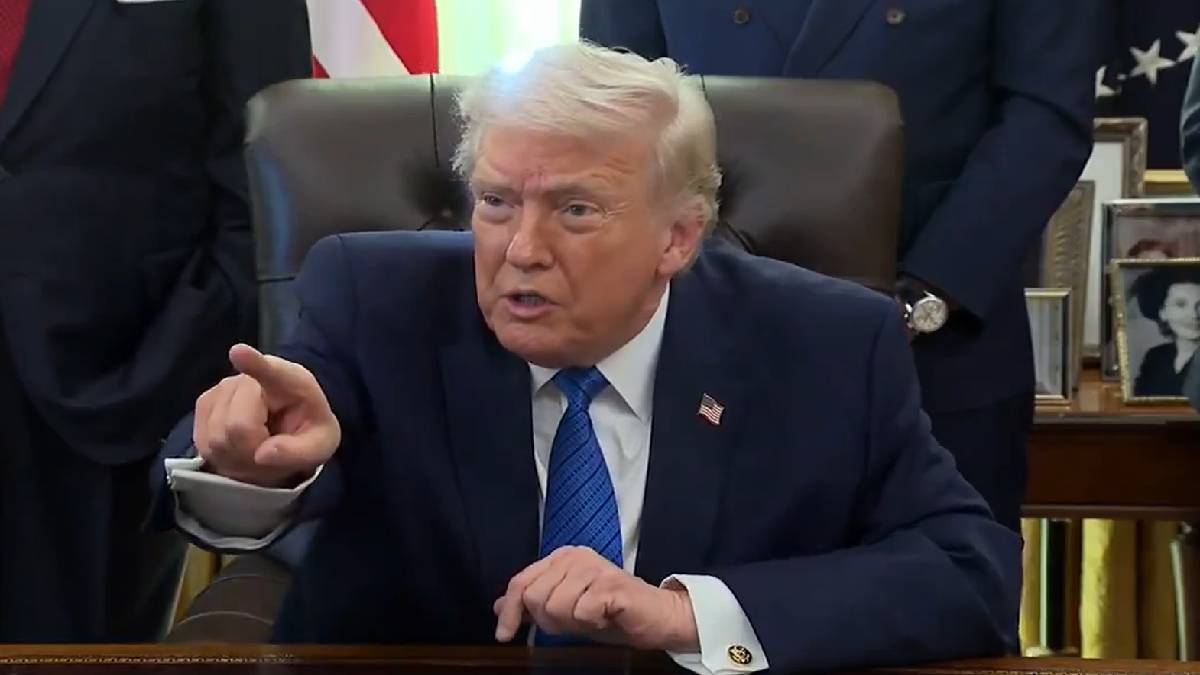
There was an enthusiastic response from many of Trump’s supporters to the announcement. Religious denominations cheered the decision, saying it is representative of the views of millions of Americans who feel the country would be better served by a faith-based government. Social media posts that shared messages of support, and there were even trending hashtags including #ChristIsKing and #OneNationUnderGod, shortly after the speech. For those supporters, the rededication is intended as offering hope, unity and moral clarity at a moment when the nation is wrestling with its own challenges.
Many do not agree with the announcement. Critics say that America is a diverse country with multiple religions and beliefs, and a government-led rededication to God might spark constitutional debate about the Constitution. Others argue the First Amendment, as some lawyers say, provides that it safeguards religion and protects freedom of religion and forbids the government from allowing one faith to be favored over another. And to those who believe the announcement could divide society further, particularly in those who hold other religious beliefs.
The announcement has already fueled a national debate. For some, it is a stark reaffirmation of America’s spiritual origins. For others, it raises issues of inclusivity and limits of the Constitution. Whatever the opinions, the rededication has turned into a talking point in politics, religion and public life. If done its intended way, May 17, 2026, will become a historic day with symbolism and controversy.
The announcement from our president that America will return unto God has shocked the American people and bodes well for a turning point in May 2026. There are supporters of a redemptive event that helps restore faith and unity and detractors skeptical of the Constitution. For better or worse, the announcement points to the continuing relationship between religion and American life. As the day moves closer, the country will closely watch to see how this rededication plays out and how it represents the future of “one nation under God.”