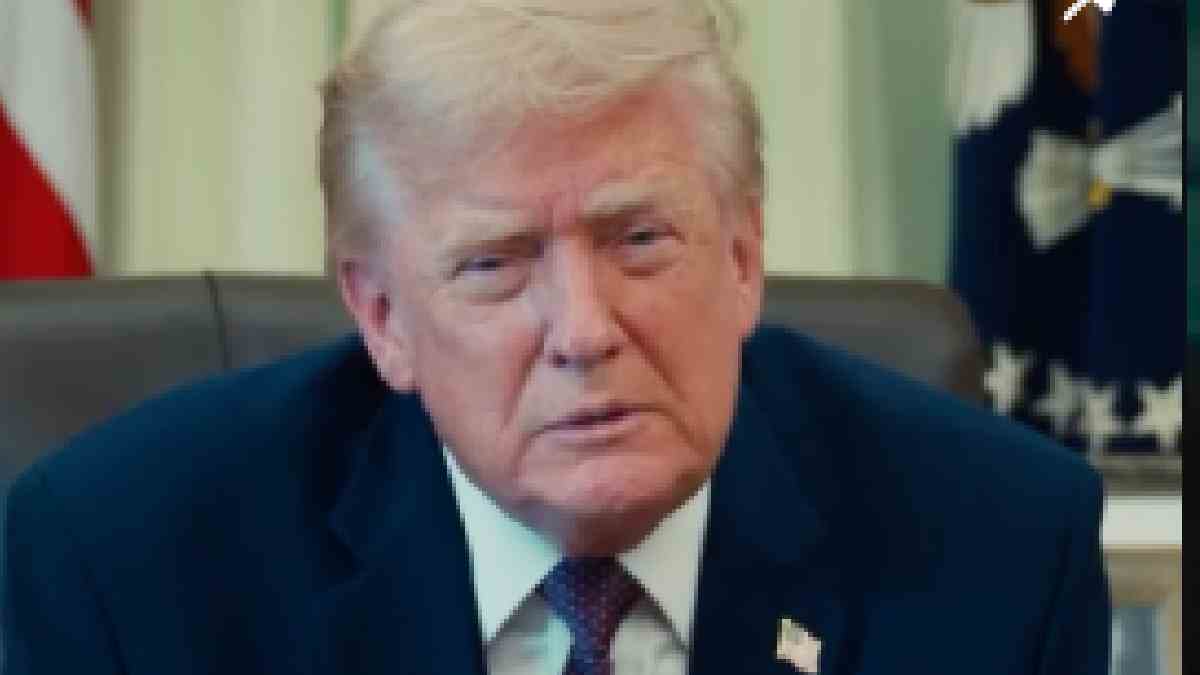
Trump has reignited the debate over the 2020 presidential election as he accused China of “the biggest breach of election data in history.” He said China has obtained information from as many as 220 million American voter data files during the 2020 election cycle and that it poses a huge threat to U.S. election security.
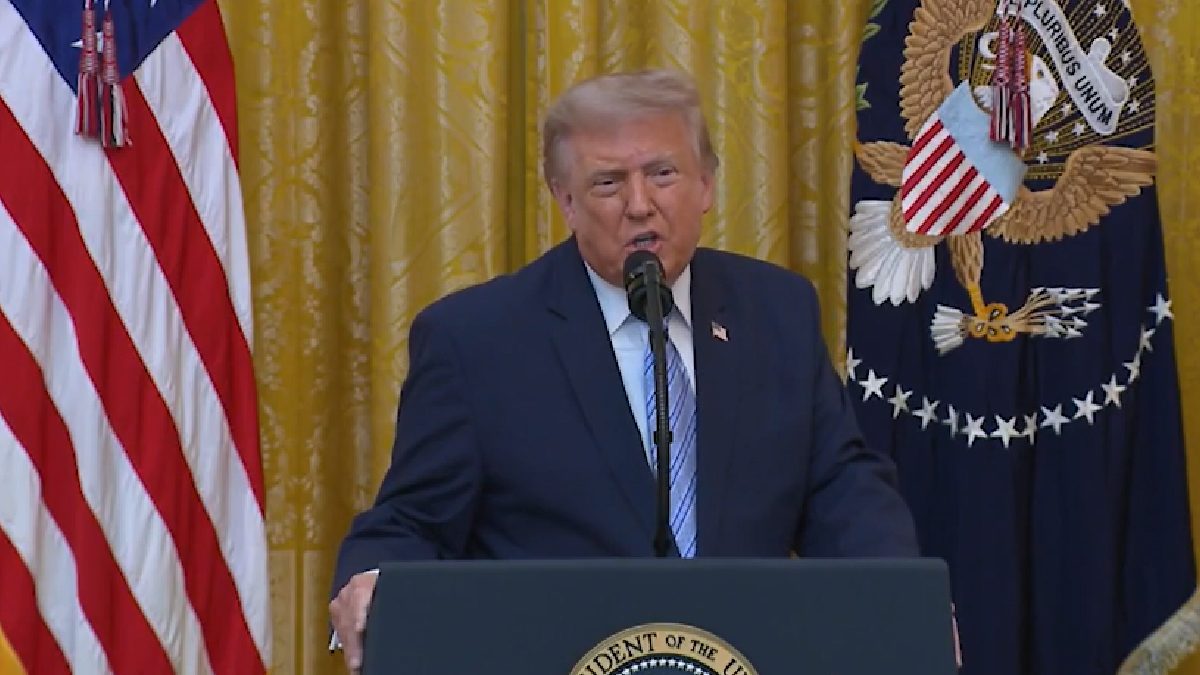
According to Trump, the alleged breach allowed Chinese entities to gain access to vast voter information and cause an “unprecedented election security nightmare.” The president also stated that newly declassified intelligence documents backed up his claims and claimed that information about the purported breach had not been properly disclosed to the public during his first term in office.
The allegations immediately drew worldwide attention and political debate. The Chinese Embassy in Washington dismissed the accusations, saying that China “has never and will never interfere” in US presidential elections. Beijing has always denied election interference and dismissed Trump’s latest comments as unfounded.
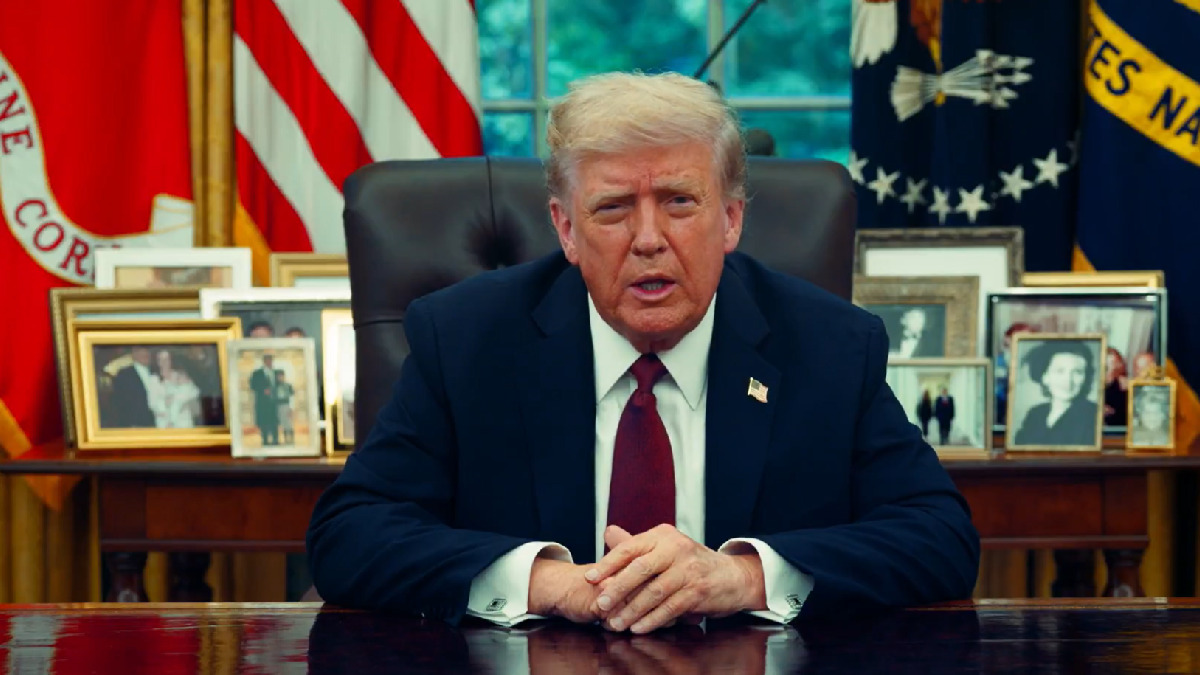
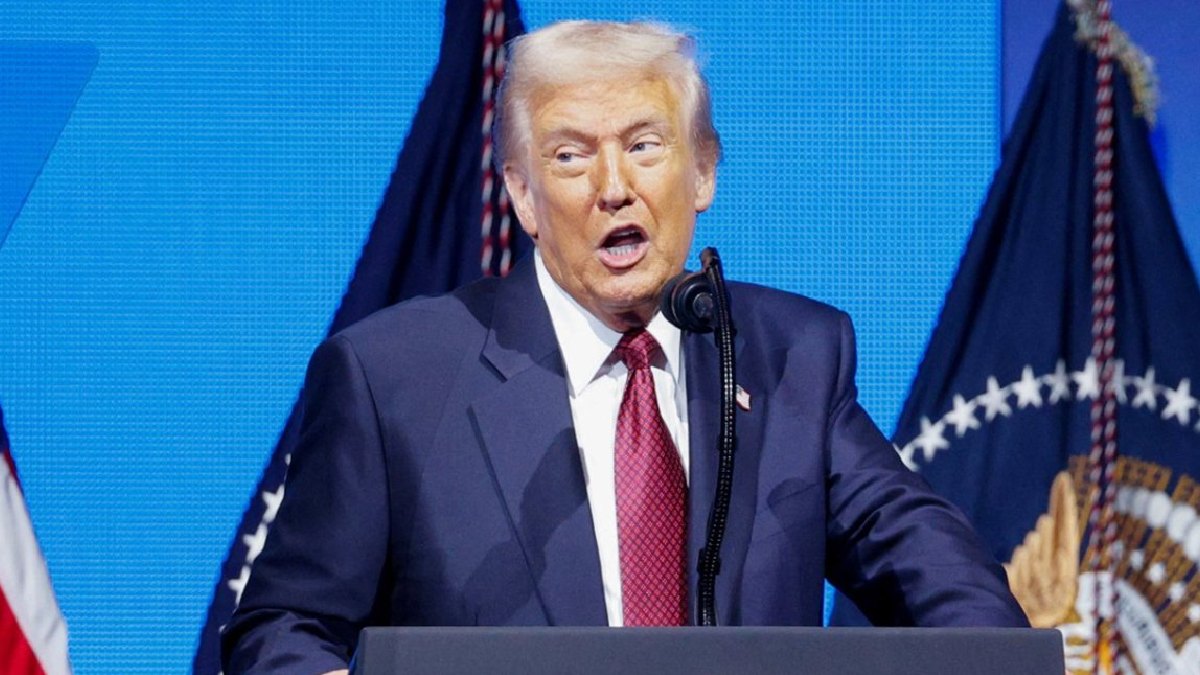
Trump claimed that Chinese activity was not limited to voter information and was geared towards influencing the 2020 election. In his speech, he said they were one of the biggest election security failures in American history. The White House said all these claims are based on intelligence findings that were recently declassified and reviewed by administration officials.
But the allegations have also revived scrutiny of previous intelligence assessments regarding the 2020 election. A U.S. intelligence community assessment published in 2021 revealed that there was no evidence that any foreign actor altered technical aspects of the election, including voter registrations, ballots, vote tabulation systems, or election results. That assessment was carried out by then-Director of National Intelligence John Ratcliffe, currently CIA Director.
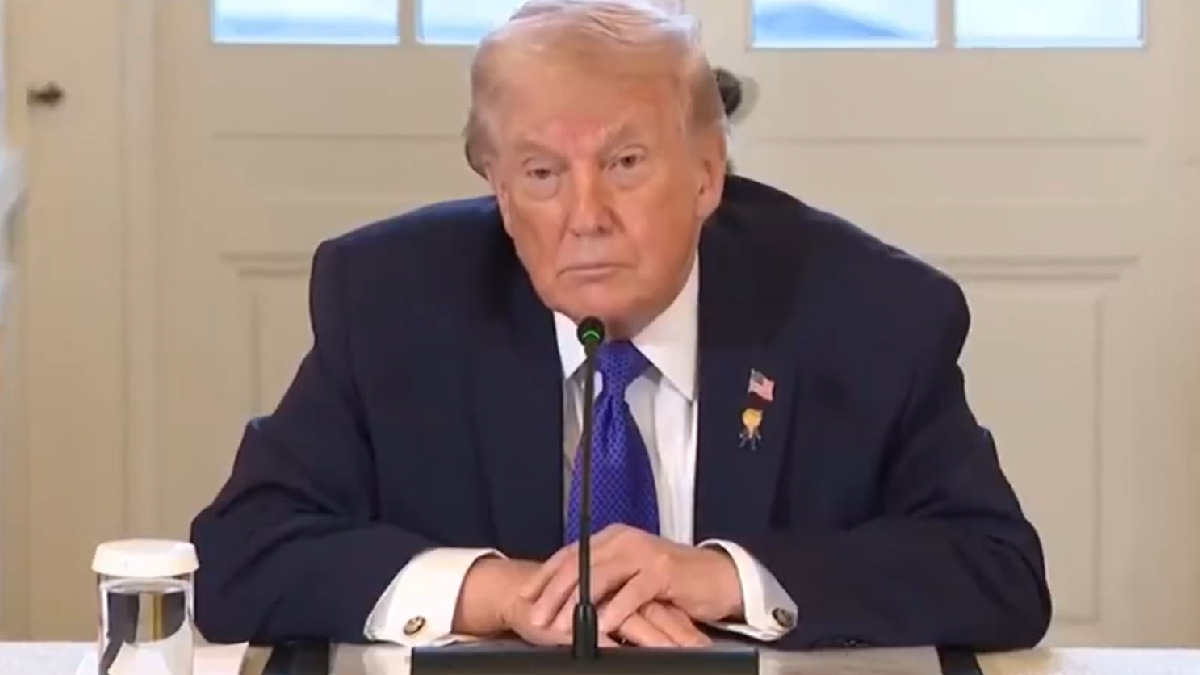
Critics have argued that getting voter data, if proven, would not necessarily mean that election outcomes were changed. Election security experts have long differentiated between voter data and manipulation of actual voting systems or results. And previous audits, recounts, court rulings, and intelligence reviews found no evidence that the outcome of the 2020 presidential election was altered through foreign interference.
The president’s comments come as the United States gets ready for its midterms, and election security is one of the central political issues. Trump also called for stronger voting requirements, including voter identification requirements and additional election safeguards. Supporters say that stronger laws are needed to maintain election integrity, and opponents say inconsistent allegations without solid evidence would erode public confidence in democratic institutions.
Political analysts say the claims are likely to heighten the debate over election security, foreign influence operations, and voting systems protection in the months to come. Congressional leaders, intelligence officials, and election experts will be closely assessing the new information and determining whether the allegations are backed by verifiable evidence.
In fact, so far no independent investigation has publicly corroborated Trump’s claims that China’s alleged acquisition of voter data changed the outcome of the 2020 election. The issue will be in the news, and the politics of the United States is likely to continue to be a big one as more documents and intelligence reports are reviewed.