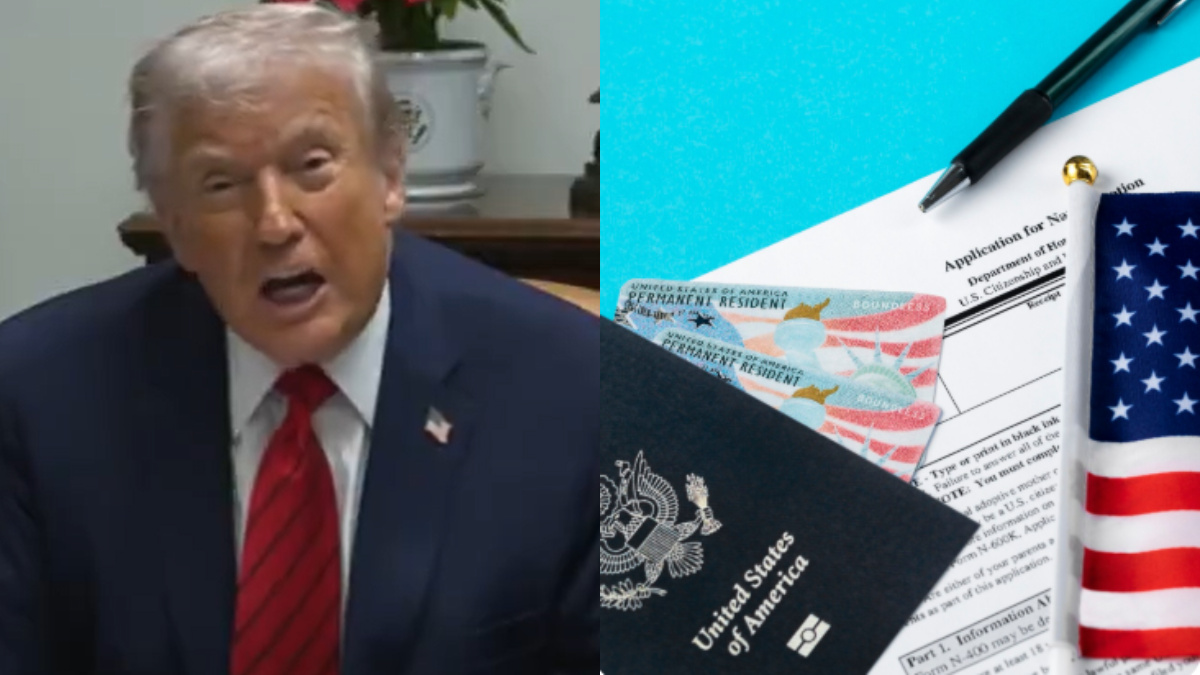
Donald Trump is going to take over the H-1B visa program, and the United States already has a huge immigrant population and now has to pay a huge new fee for it. The new fee would be $103,265 per H-1B visa application, a massive jump from the existing fees of $2,000 to $5,000, but it is likely to cause employers and immigration activists to worry, and it has got people worried about job creation for thousands of Indian professionals who come to the USA on H-1B visas.
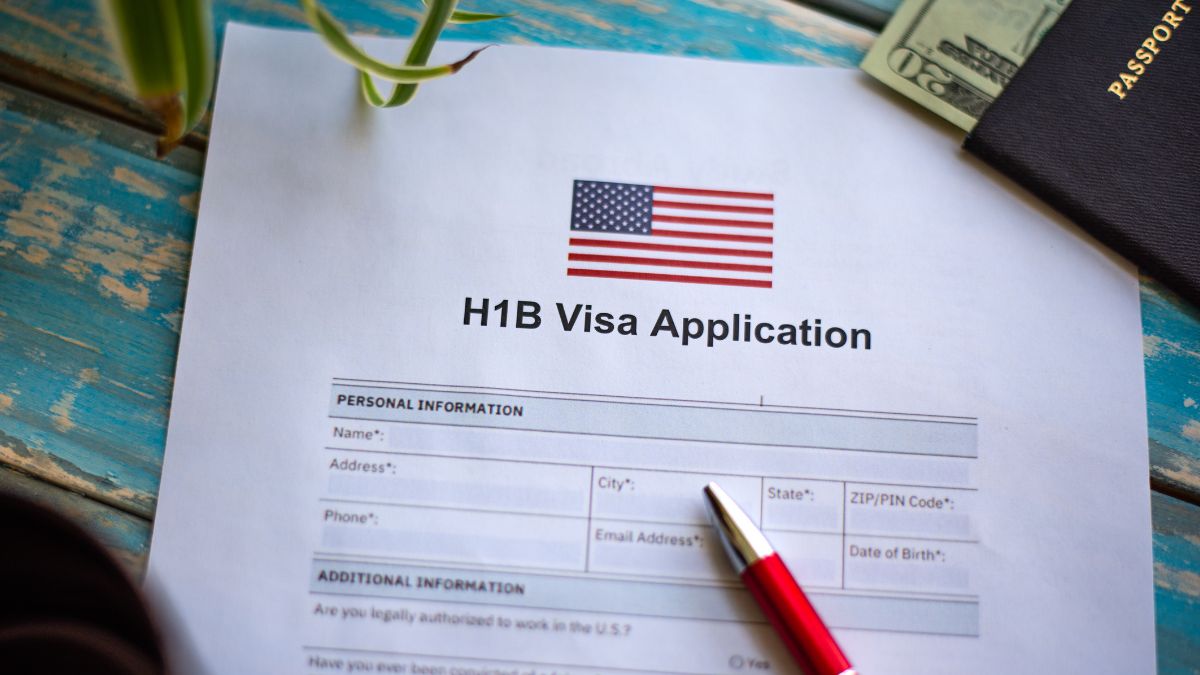
The H-1B visa program is one of the most popular pathways to highly skilled foreign workers, particularly those working in technology, engineering, healthcare, finance, and research fields. The U.S. issues 65,000 regular H-1B visas and 20,000 visas for individuals with advanced degrees from American universities each year. Most of the H-1B beneficiaries are Indian, and any change in policy will affect India’s technology workforce and potential international students in India.
The proposed fee, according to DHS, is to recover costs associated with managing the U.S. immigration system from application processing, security vetting, fraud detection, visa operation, immigration court duties, and modernisation efforts. Estimates suggest the fee could generate $8.8 billion a year. The administration argues that employers should pay more for these costs than American taxpayers.
And the proposal comes after the same $100,000 H-1B fee was struck down by a federal judge earlier this month, who found that the executive branch did not have authority to issue the fee without Congress’s approval. The administration is now appealing that decision, while at the same time pursuing a formal rulemaking process that could allow the fee to survive future legal challenges.
The proposal has raised fears among Indian professionals about the future of employment prospects in the United States. Companies typically pay H-1B filing fees, but industry experts say that at this level of fees, it would be hard for employers to get foreign workers (especially those who are entry-level candidates and recent graduates) to come and work at these firms. Large technology firms may still bear the costs, but smaller firms and startups might find it hard to get into the program. That would limit the job opportunities for the thousands of high-skilled workers who want to work in the U.S. market.
And immigration lawyers have emphasised that the proposal is not yet final and will be subject to a longer regulatory and legal process. Public comments, court challenges, and political opposition could delay or alter the final rule. There will not be a change in the existing H-1B holders’ status until the proposal is formally approved and implemented, experts say.
The fee hike is part of a larger effort by the Trump administration to reshape the H-1B system by giving priority to those with higher salaries and skills. Supporters say it would encourage companies to hire American workers first and reserve H-1B visas for specialised jobs. But critics say it could undermine U.S. competitiveness by making it harder for companies to attract global talent, particularly in technology and research areas where skilled labour shortages persist.
As the debate plays out, Indian students, IT professionals, and multinational companies will be watching too. Indian talent is very much central to the U.S. technology ecosystem, so a final decision on the proposed $103,265 fee will have a huge impact on the careers, business operations, and future of skilled migration in the U.S. and India.