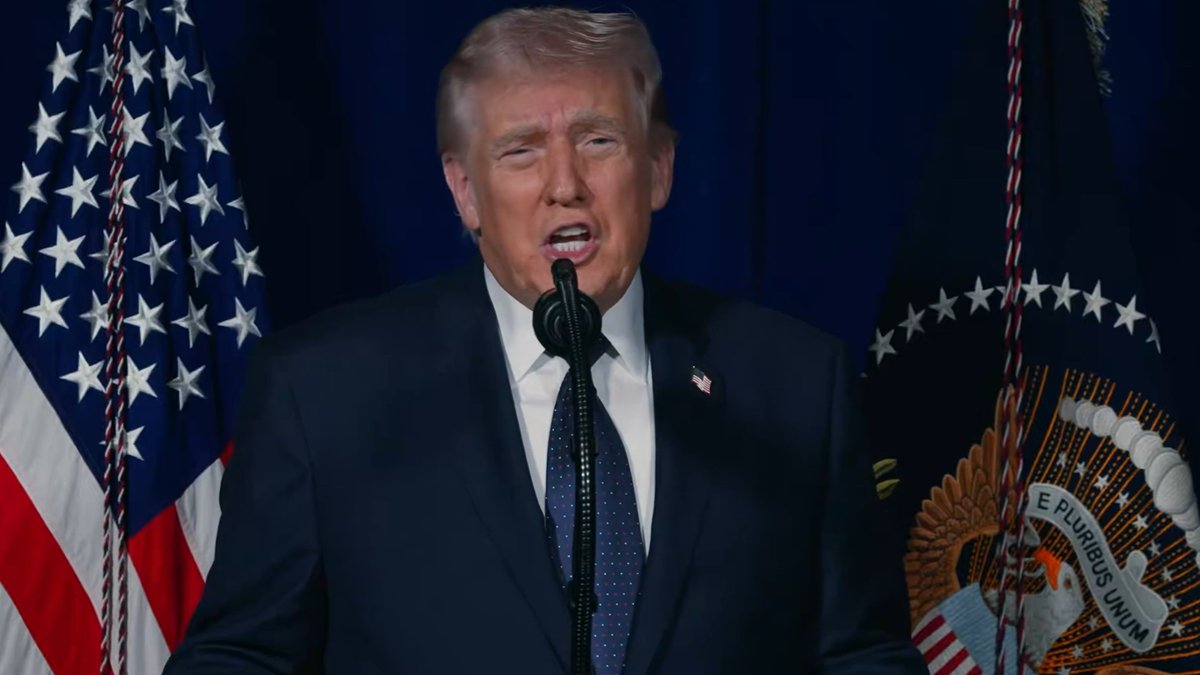
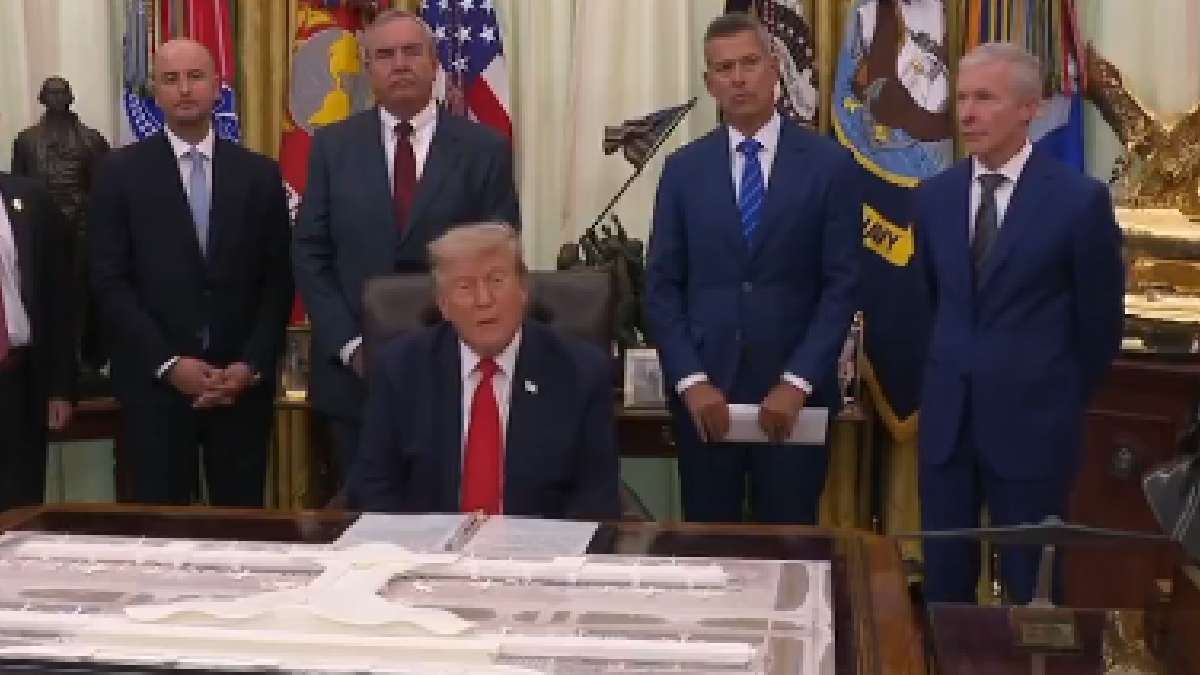
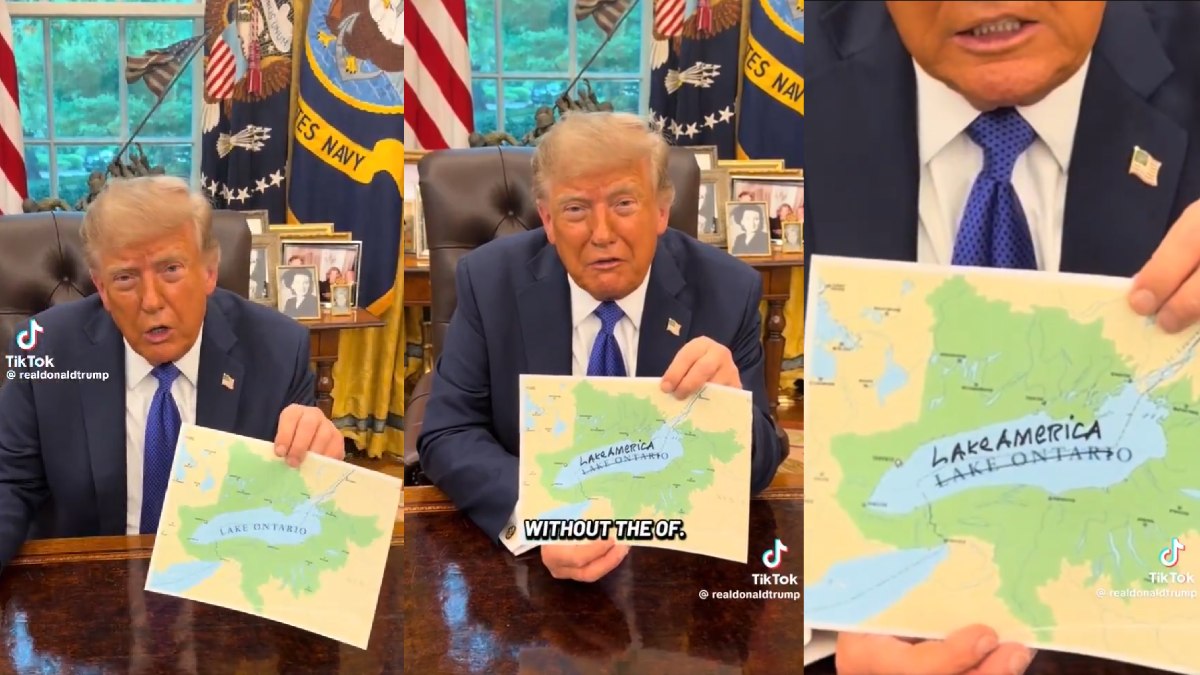
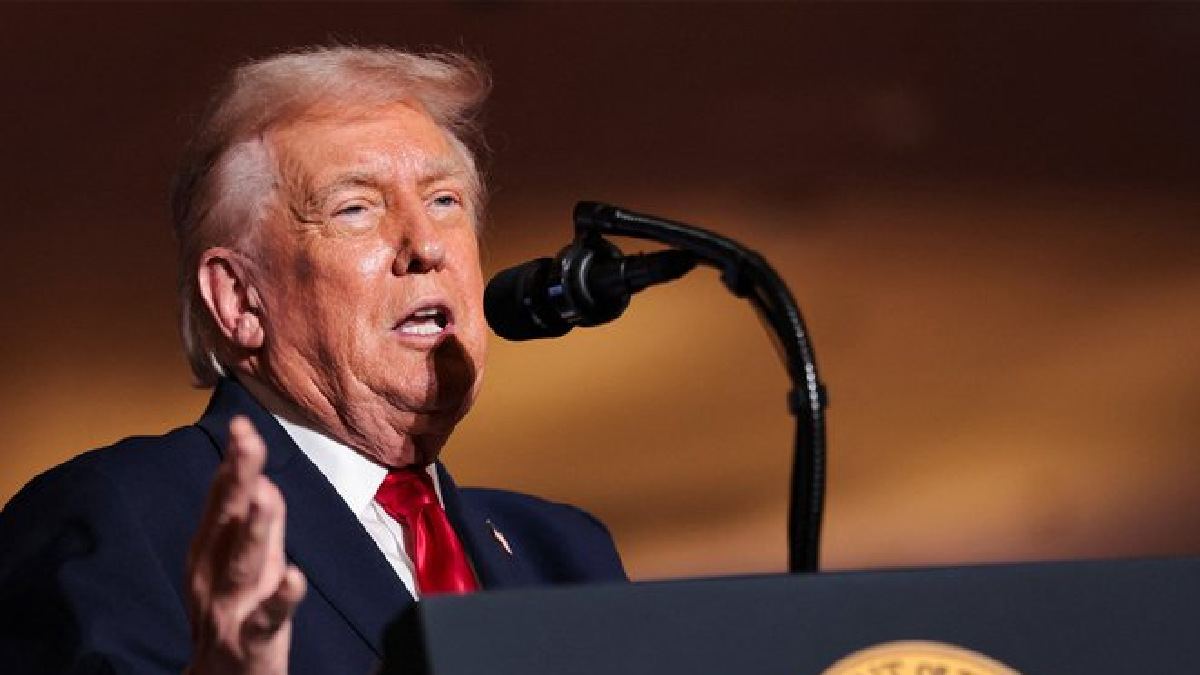
Fears of a wider conflict in West Asia have been reignited after U.S. President Donald Trump issued one of his strongest warnings yet against Iran, declaring that the United States would strike the country “very hard tonight” and indicating it would target vital parts of Iran’s energy infrastructure.
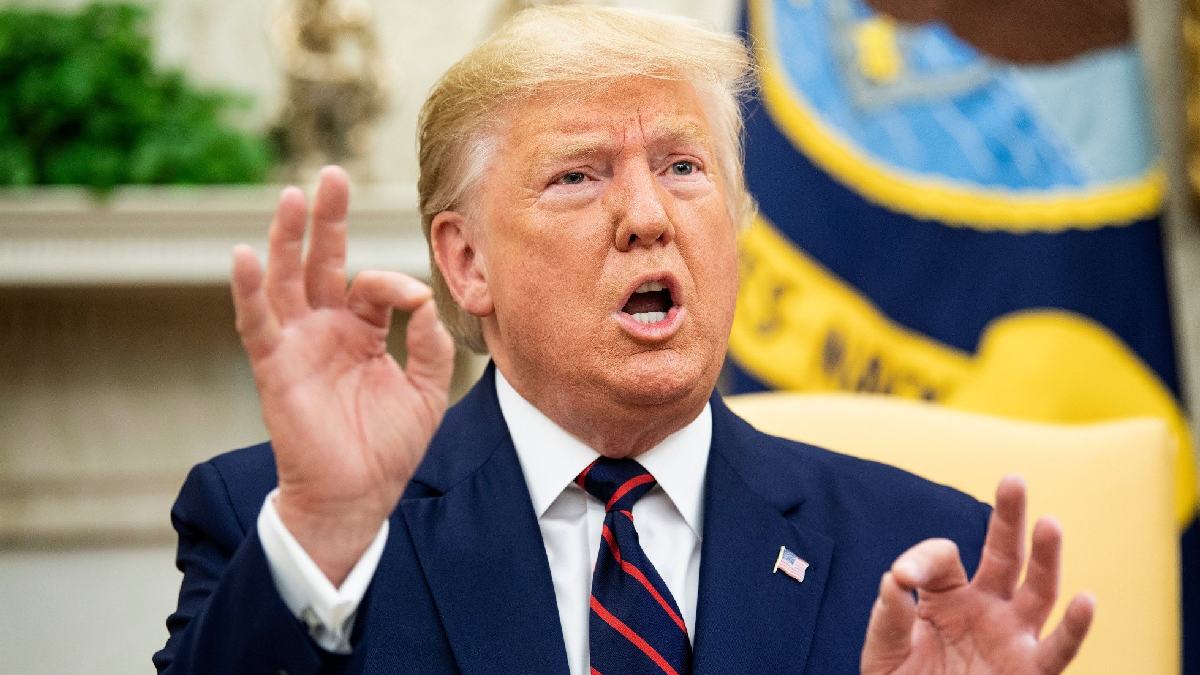
Trump has also said the United States would be taking control of key Iranian oil and gas assets and the oil export hub, Kharg Island, and its exports of oil for export to Iran, also the heart of Iran's energy industry. Kharg Island is widely considered one of Iran’s most strategic locations in the energy supply chain and is responsible for the bulk of the oil exports from Iran. A military attack on it would have enormous economic and geopolitical implications.
Trump’s comments are part of a growing war between Washington and Tehran. The U.S. president said military action would take place if negotiations to reach a deal failed. He also repeated allegations against Iran over attacks on US interests and disruptions of maritime security in the Strait of Hormuz, one of the world’s most vital energy shipping routes.
The latest escalation has reignited concerns about the future of global oil supply. Analysts have long warned that a disruption of Iranian energy infrastructure or the Strait of Hormuz could drive crude oil prices dramatically higher. About a fifth of the world’s oil trade passes through the strategic waterway and is the focus of global energy security.
The United States will be hitting Iran (Whose Navy, Air Force, Radar, Anti Aircraft, and all other forms of Defense, together with most its offensive capability, are GONE!), VERY HARD TONIGHT. At some point in the not too distant future, we will be taking Kharg Island, and other… pic.twitter.com/RPeL3khVrr
— Commentary Donald J. Trump Truth Social Posts On X (@TrumpTruthOnX) June 11, 2026
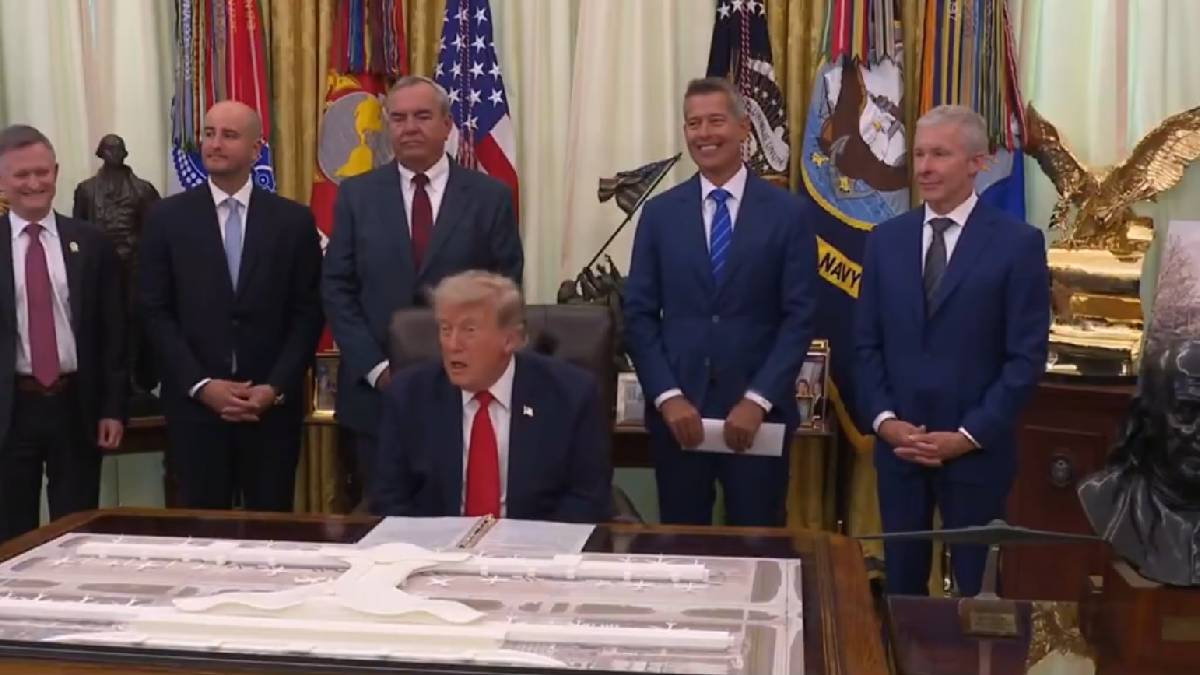
Trump's declaration that America will take “total control” of Iran’s oil and gas markets has brought international interest. The president compared the proposed strategy to past US actions directed at Venezuela’s energy sector, indicating Washington might be able to directly intervene in Iranian energy exports if tensions continue to escalate.
The remarks have also fuelled speculation about military targets. While previous U.S. military operations reportedly focused on military facilities on or around Kharg Island, the possibility of directly targeting or seizing oil infrastructure is a much more substantive escalation. If Iran’s export ability is disrupted for years, energy experts say, there will be a potential for global trade and financial markets to be volatile.
The conditions are closely watched by foreign countries and international observers throughout the region. Several countries have repeatedly called for restraint and warned that a wider conflict risks undermining the entire Middle East and its economy. The rising tensions have already had a significant impact on commodity markets, and investors are watching for signs of military escalation or diplomatic breakthroughs.
But it has also raised fears of Iranian retaliation. Previous confrontations in the region have seen attacks on shipping routes, energy infrastructure, and military installations, prompting fears that a larger fight could draw in more nations and disrupt international trade.
But diplomatic channels are still in place. Trump has said the United States is still talking about a deal with Iran, but he said it must be meaningful and enforceable. Whether negotiations can hold back the escalation of the tension remains uncertain as both sides continue to send signals of military aggression.
As the situation develops, global investors, policymakers, and security analysts are preparing for different scenarios. Any change involving Kharg Island or other major Iranian energy assets could alter regional dynamics and ripple through the region, affecting oil prices, inflation, and economic development worldwide. This will be closely watched by governments and investors across the world.