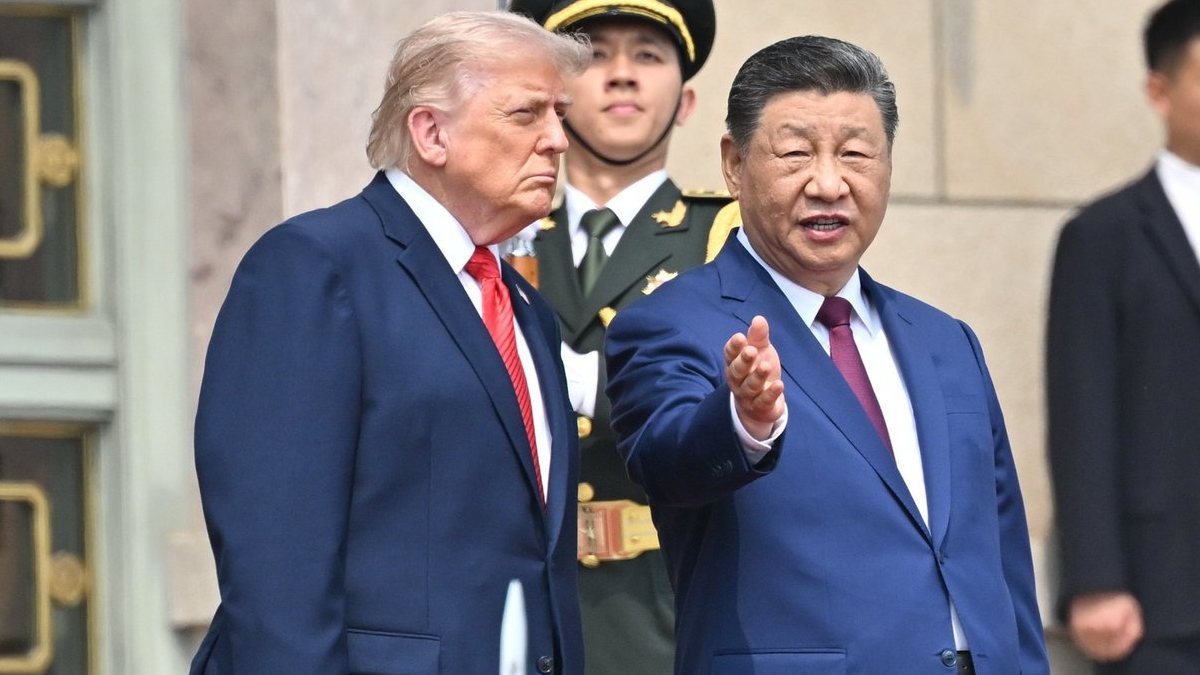
Trump welcomed Chinese President Xi Jinping at Joint Base Andrews on Wednesday as the Chinese leader began a three-day visit to Washington, and as trade, technology, rare earths, Taiwan and Iran will dominate discussions between the two countries.
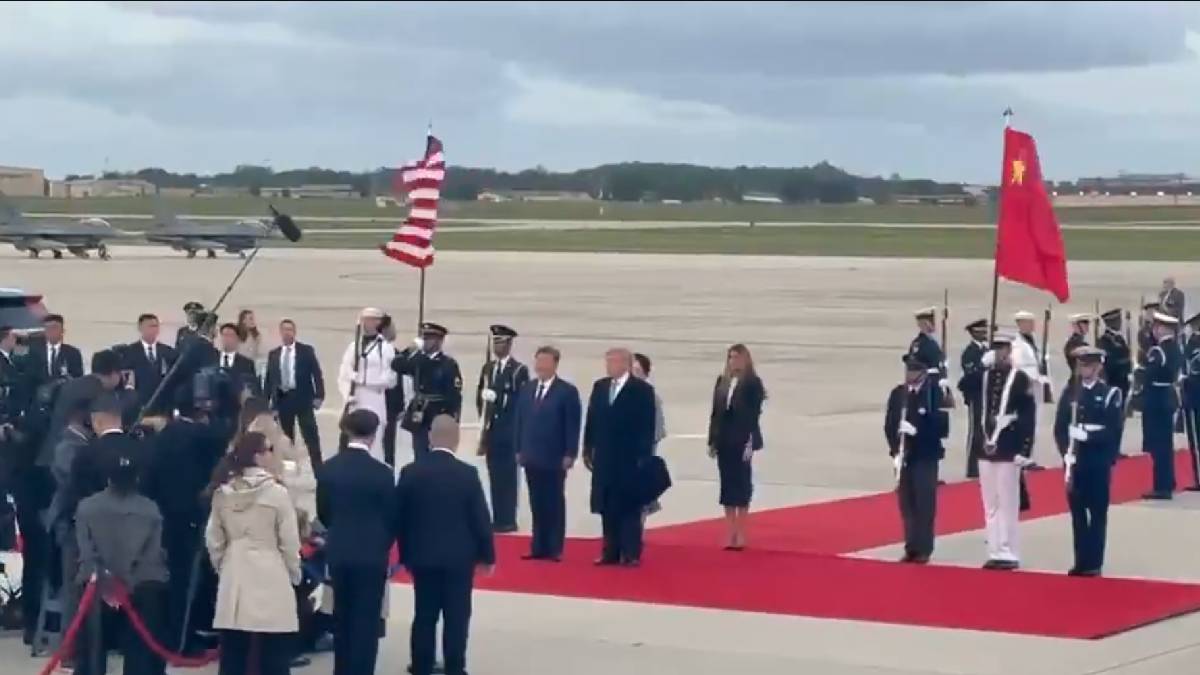
Trump's personal greeting of Xi at the airport was an unusually high-profile welcome. Trump and First Lady Melania Trump met Xi and his wife, Peng Liyuan, on a red carpet at the Maryland military base. The arrival ceremony included a military honor guard, flags, national anthems and an aircraft flyover. The airport reception was the first time in 11 years that a U.S. president welcomed a foreign leader at Joint Base Andrews, Reuters reported.
The first concrete development from the visit came even before the main Trump-Xi talks. US Treasury Secretary Scott Bessent said Washington and Beijing had agreed to extend their trade truce from November 10 to January 10.
The extension gives both sides another two months to negotiate and maybe work toward a broader economic understanding. The truce has kept tariffs and trade restrictions in check at times and could be more than that as negotiations go on. But it doesn’t mean a full US-China trade deal.
Xi Jinping is in Washington for a three-day US visit, and President Trump personally greeted him at the airport
— Nabila Jamal (@nabilajamal_) September 24, 2026
The first concrete move is that the US says their trade truce will run until January 10, instead of expiring November 10
Thursday’s talks will turn to tariffs, chips,… pic.twitter.com/gijC5bc6rI
We have a lot of disagreements, and the two governments still disagree on how to structure the economy. Tariffs are still a big one, and Washington is also pressing Beijing to get rid of rare earths and other precious minerals. The same goes for China, which wants more stability in access to international markets and advanced technology.
Rare earths are particularly important because China is an important part of their global supply chain. The minerals are used in electronics, electric vehicles, industrial equipment and defense technology. Previous agreements between Washington and Beijing included promises to ease the problem of supplies of rare earths and other critical materials.
Technology and semiconductors are another major issue of tension. US restrictions on advanced technologies and China’s worries about access to American technology have now become central to the wider economic rivalry. Washington visit talks are expected to deal with how the two countries manage competition in chips and artificial intelligence without triggering another round of escalation.
Taiwan is also likely to be one of the most sensitive subjects. China considers Taiwan part of its territory, and Washington maintains close political, economic and security ties with the island. The two governments also have drastically different views on Taiwan, and the role of US support for Taiwan, and the status of the island will be hard to resolve, the analyst said.
Iran is another issue that has become increasingly important in the bilateral relationship. US officials will be expected to raise China's relationship with Iran and related economic and energy issues during the discussions. The friction between Iran and China has intensified the already complicated US and China relationship.
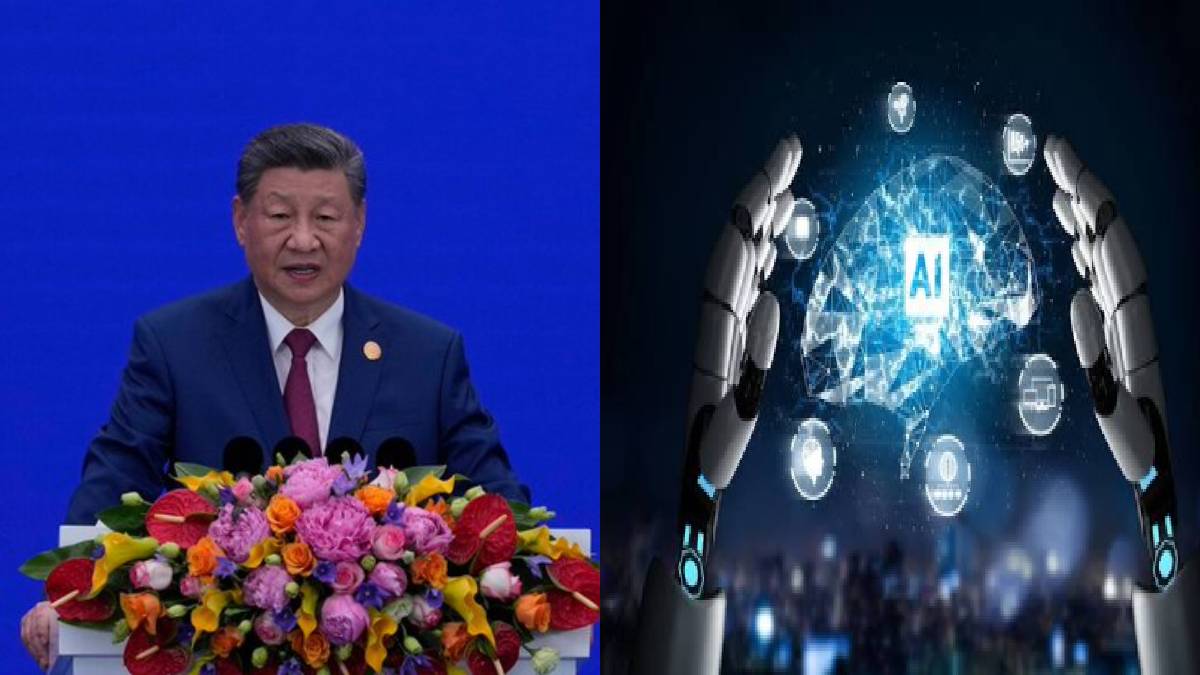
Artificial intelligence will also be part of the talks. US and Chinese officials have discussed mechanisms for communication over major AI safety or national-security incidents, reflecting the growing importance of AI in the competition between the world’s two largest economies.
For now, the January 10 extension represents more negotiating time than a final settlement. The expectation of a breakthrough is low, with disputes over Taiwan, rare earths, technology and so forth.
That’s why Xi’s three-day Washington visit is significant beyond the airport welcome. The immediate extension of the trade truce could put the pressure for an imminent tariff escalation on the horizon to a near-term tariff escalation, and Thursday’s talks will show if Washington and Beijing can move on from the more complex, harder issues that remain in the way of trade talks to address the more complicated issues that still shape their relationship as well.
Whether the negotiations will lead to a more complete agreement is uncertain. For business and markets, who are closely watching US-China trade policy, the January 10 deadline is now the next big step.