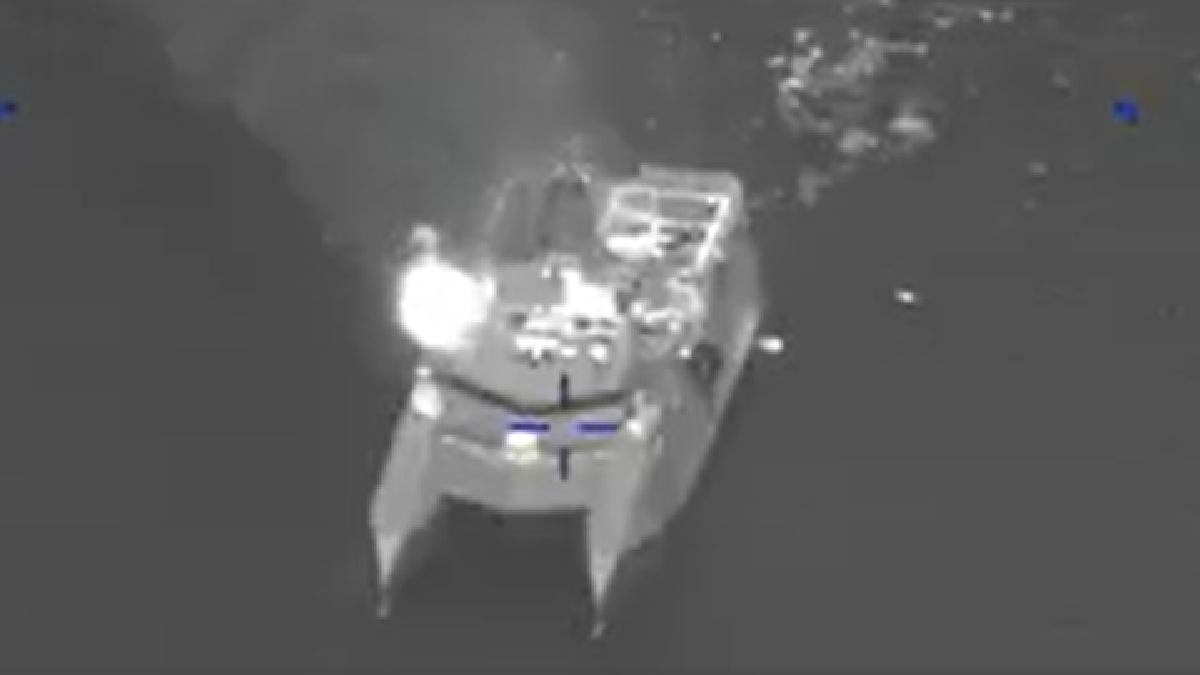
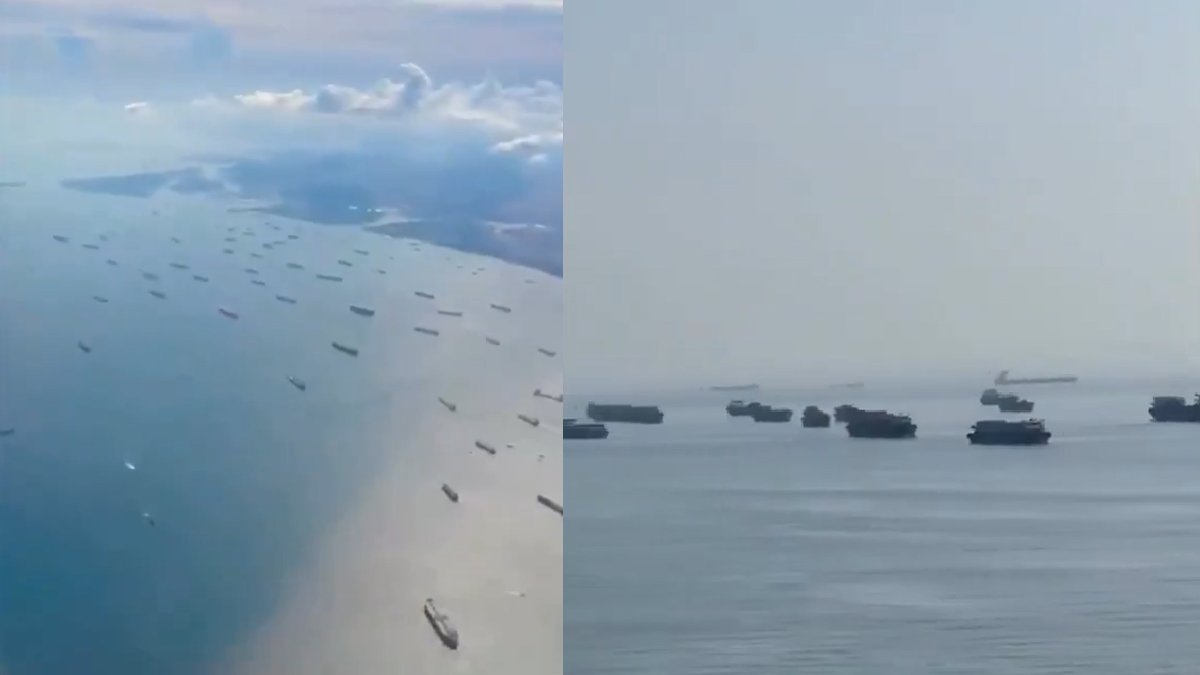
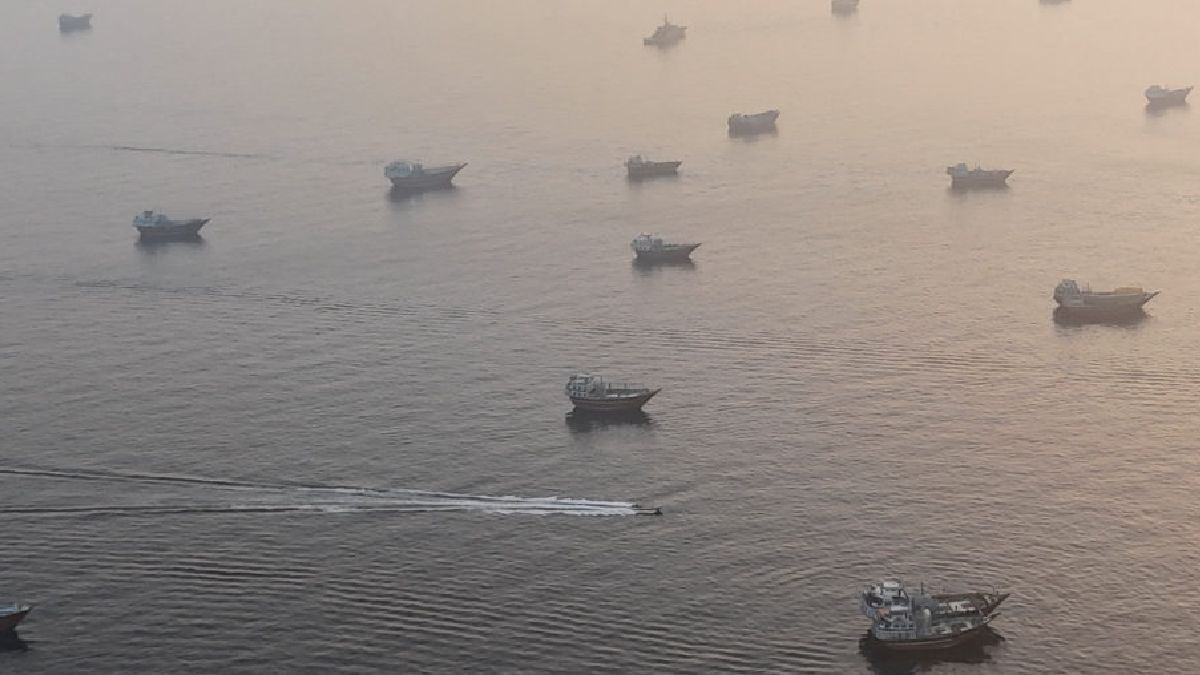
A new flare-up between the U.S. and Iran deepened in the Gulf, with several Iranian drones intercepted and destroyed on the strategic Strait of Hormuz when American military forces intercepted and destroyed drones that were headed towards the maritime choke points in the region. The drones are considered a direct threat to commercial shipping and regional security, the US Central Command (CENTCOM) said, and therefore American forces responded immediately.
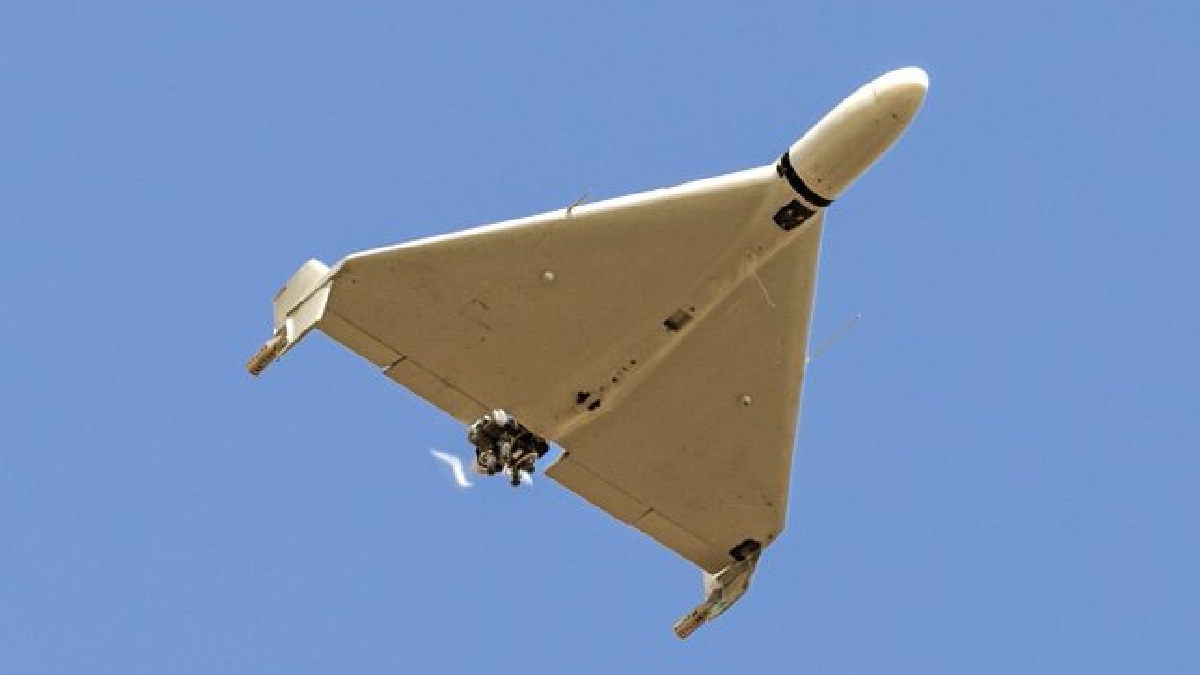
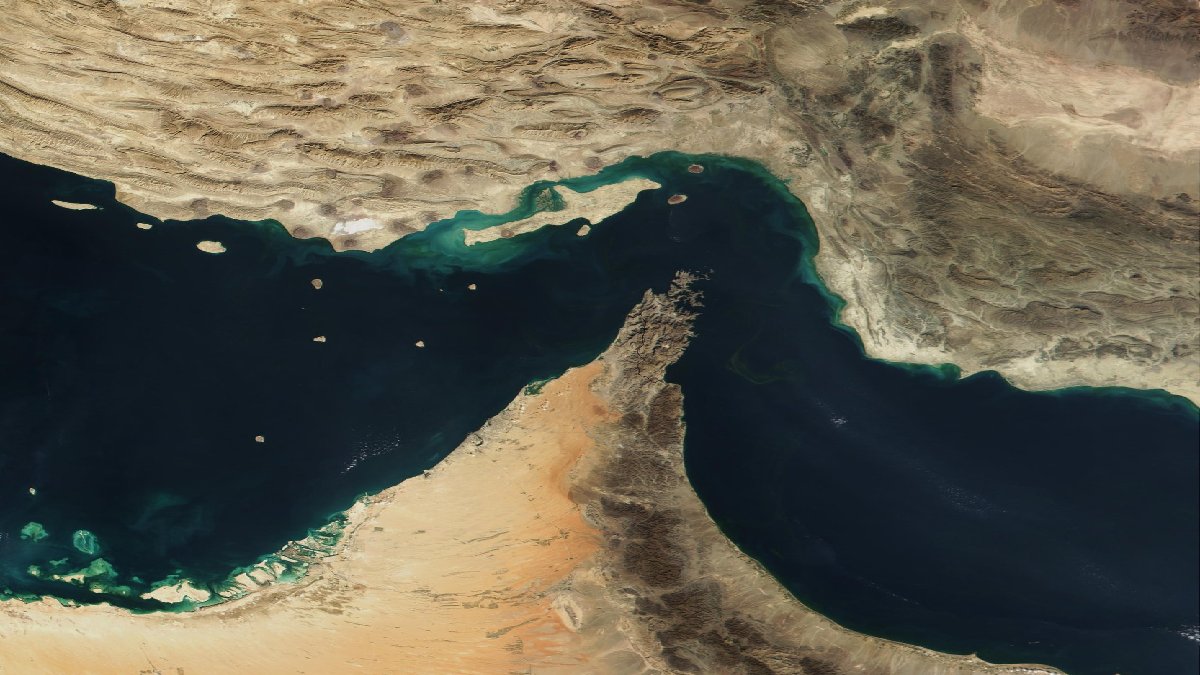
After the drone interceptions, US forces conducted strikes against Iranian radar installations and drone command-and-control facilities in Goruk, a coastal area in Iran's Hormozgan Province, and on Qeshm Island, which sits across from the Strait of Hormuz.
CENTCOM described the operation as a measured self-defence response to what it called aggressive Iranian actions, including the recent shootdown of a US MQ-1 drone over international waters. American fighter aircraft reported that a drone control tower and network of air defence systems were destroyed, as well as infrastructure associated with drone operations during the strikes.
Qeshm Island is highly strategic because it is situated close to major international shipping channels. Military analysts say radar and drone facilities on the island are vital to monitoring maritime traffic through the Strait of Hormuz, a waterway through which much of the world's oil travels. Both Qeshm and Goruk strikes seem to be aimed at diminishing Iranian surveillance and drone capabilities in the region.
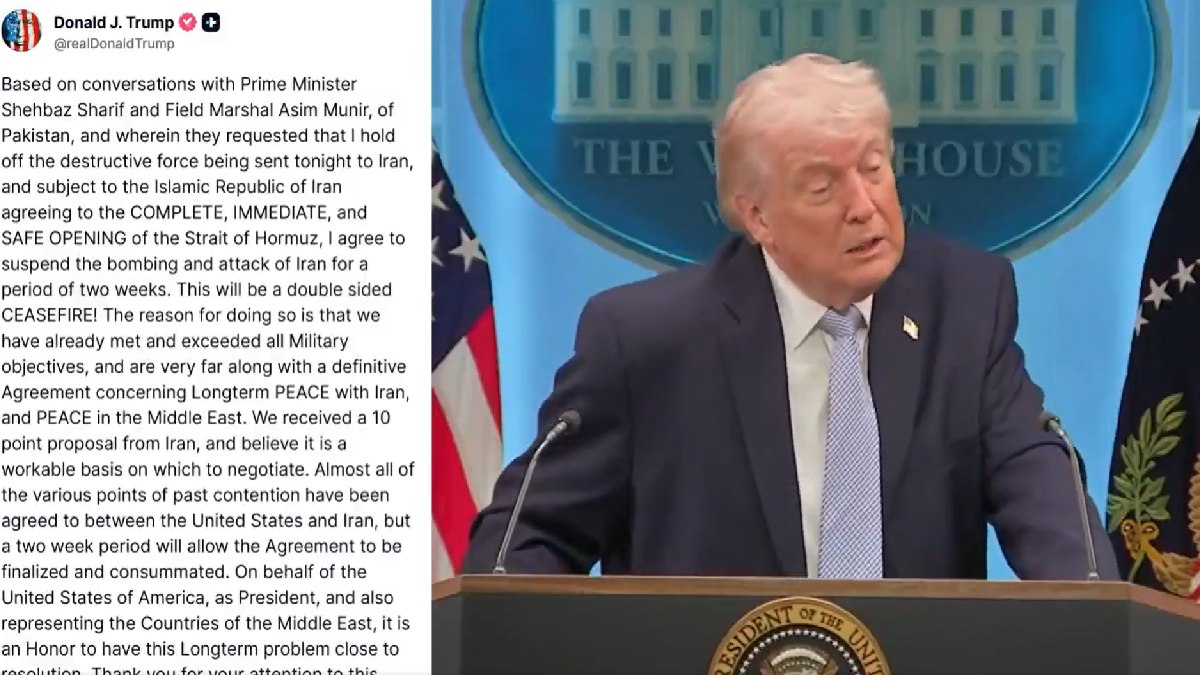
The latest clash threatens to further strain already fragile diplomatic relations between Washington and Tehran. Both sides have been trying to negotiate, but recent military activity has raised the possibility of a wider regional war. Iran has already warned it is not going to tolerate any more attacks on its territory, and the United States has said it will protect its forces, allies, and commercial shipping routes in the Gulf.
Despite the escalation, US officials have insisted that the operation was defensive and not an attempt to escalate the conflict. But the exchange shows how much the Strait of Hormuz is still volatile, and even a mild military engagement can have a big impact, especially for global energy prices. With more than a million eyes on the situation in the region as international observers monitor the situation, the chances of further retaliatory action from either side are very high.