The United States and South Korea are wrapping up their annual military exercises six days earlier than expected just one day after North Korea fired around 10 short range ballistic missiles towards the sea.
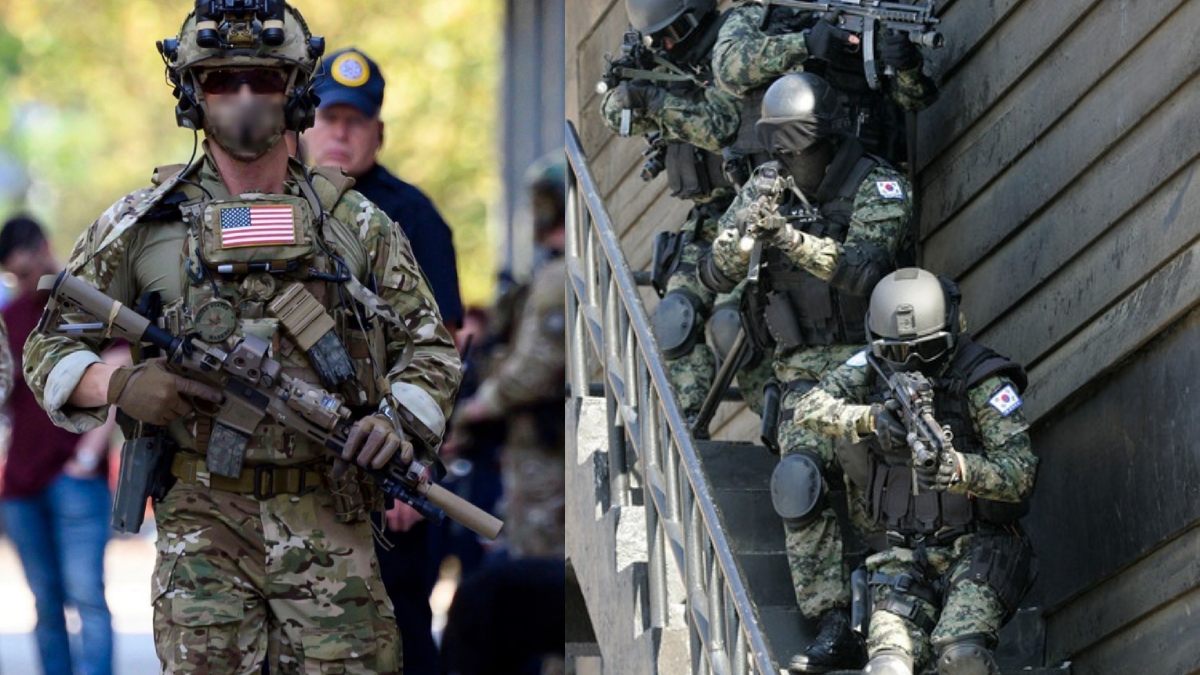
The joint exercise, which will also be called Ulchi Freedom Shield, started Monday and had taken longer to get started. The decision to shorten the drills came after U.S. President Donald Trump ordered the Pentagon to reduce the exercise significantly before it began.
That is a move to reduce tensions with North Korea in the event of a return to dialogue between Washington and Pyongyang.
However, North Korea did not see the scaled-back exercise as enough.
Kim Yo Jong, the sister of North Korean leader Kim Jong Un, said reducing the size and duration of the drills did not change what North Korea considers provocative nature.
North Korea then launched the missile barrage on Thursday, sending around 10 short range ballistic missiles into waters off its eastern coast.
Why did the US and South Korea cut the drills short?
The decision to cut back on military exercises is as direct as Trump is.
Trump cited his relationship with Kim Jong Un when calling for a reduction in the drills. He has also expressed interest in restarting diplomatic engagement with the North Korean leader.
The annual exercises are to enhance the ability of US and South Korean forces to respond to potential threats from North Korea.
Pyongyang has repeatedly criticized the drills and described them as preparations for an invasion. Washington and Seoul insist that the exercises are defensive and are intended to enhance military readiness.
This year's decision to reduce the exercises was thus notable.
The drills were shortened by six days and some field exercises were also reduced. The change was intended to lower tensions while keeping the military partnership between Washington and Seoul intact.
North Korea, however, rejected the gesture.
Kim Yo Jong said that the reduction in the exercises did not change the nature of what she described as hostile military activity. Her comments came shortly before North Korea launched the missiles.
The launches travelled about 300 kilometres before crashing into the sea, according to the reports. The US Pacific Command said the launches did not pose an immediate threat to US territory or its allies.
At the same time, the missile launches added to tensions on the Korean Peninsula.
And the latest developments also show how difficult it may be for Washington to restart negotiations with Pyongyang.
North Korea Rejects US Overture as tensions Continue
The missile launches came after North Korea had already dismissed Trump’s latest attempt to improve relations.
Kim Yo Jong rejected the idea that just reducing military exercises would be enough to change North Korea’s position.
At the same time, her comments were less aggressive than some previous statements from Pyongyang. She referred to the relationship between her brother and Trump in fairly positive terms, so North Korea may not want to completely close the door on future talks.
But North Korea's policy on nuclear weapons is still a major obstacle.
In 2019, diplomatic talks between Trump and Kim broke down. North Korea has continued to develop its nuclear and missile programmes since.
Kim has also indicated that he would not return to negotiations unless Washington changes its demand for North Korea to give up its nuclear weapons as a condition for diplomacy.
It was not easy for North Korea to maintain its military relationship with Russia, which has only been strengthened in recent years, but now is much more difficult. Pyongyang has also developed its missile capability.
For South Korea, the reduction in joint military exercises creates a difficult balance.
Seoul wants to ease tension with North Korea and keep the possibility of dialogue open. But South Korean officials need to keep a military ready because North Korea has kept developing its nuclear weapons.
The US military presence in South Korea is still very much part of the country’s defence strategy.
The missile launches of the previous few months have therefore raised questions about whether cutting back military exercises can actually reduce tensions with North Korea.
For now, the US and South Korean forces are completing the shorter Ulchi Freedom Shield exercise.
The missile barrage has not been described as an immediate threat to US or South Korean territory but it shows that Pyongyang is willing to use military demonstrations to make its position clear.
The next few months could be very important in US North Korea relations. Trump has expressed interest in meeting Kim again and Pyongyang wants changes to Washington’s approach.
The early end of the drills may give some diplomatic space, but North Korea's latest missile launches show that tensions on the Korean Peninsula remain high.
For South Korea and the United States the challenge will be to strike the right balance between military readiness and setting the ground for diplomacy.
For North Korea the missile launches demonstrate it is still there to keep pressure and to make sure that it maintains the pressure at the same time that it will become strong ahead of any possible future talks.
The latest developments suggest that reducing military exercises alone may not be enough to bring Washington and Pyongyang back to the negotiating table.