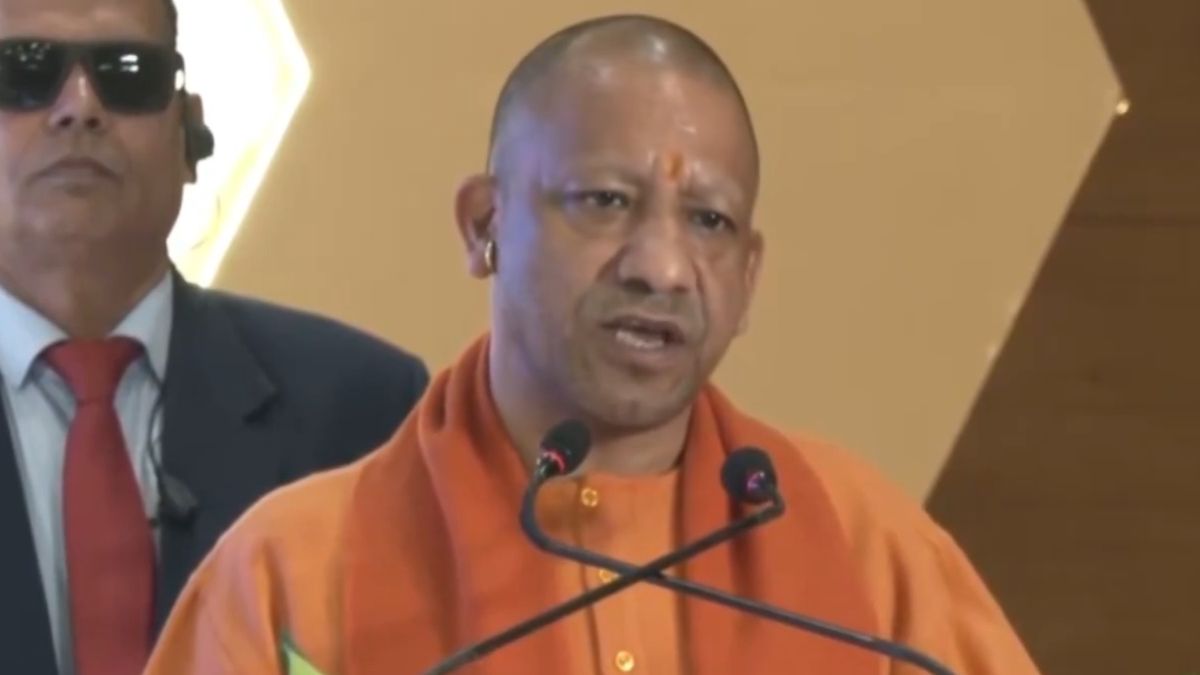
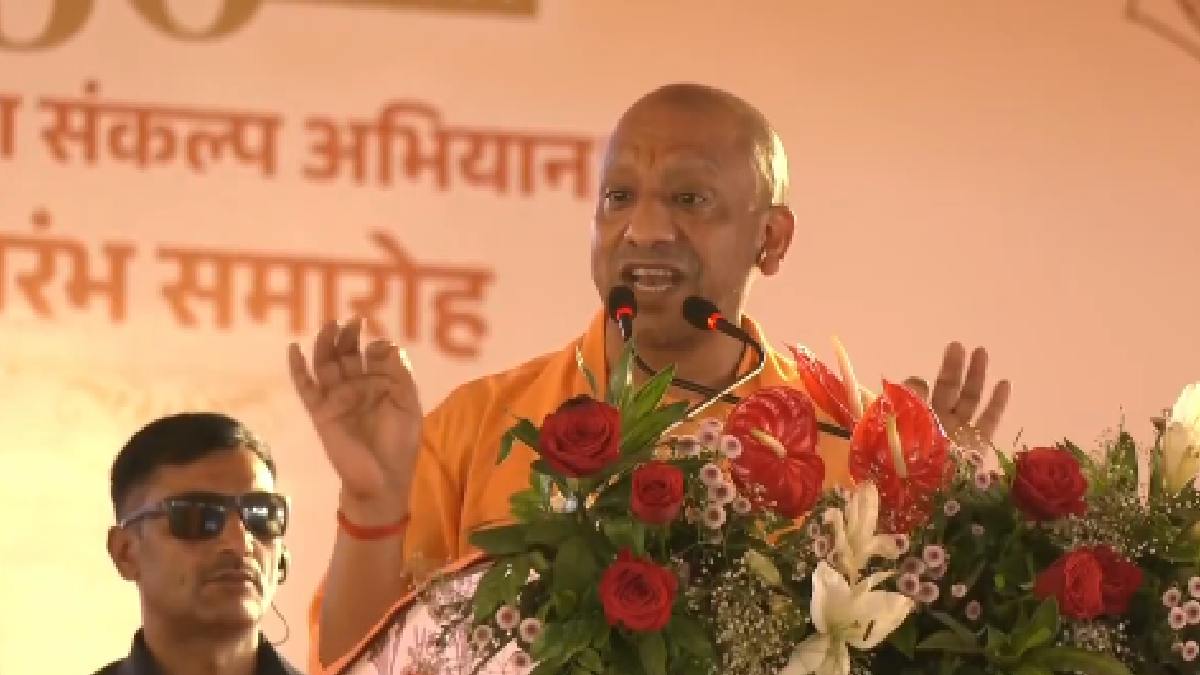
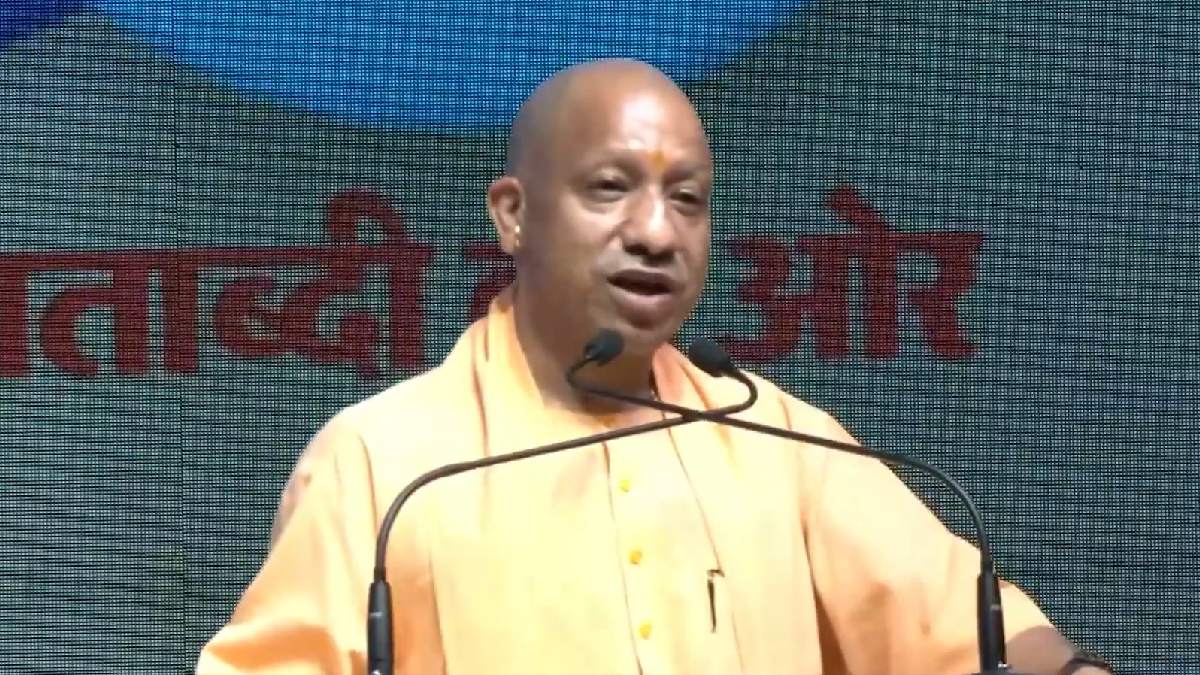
Yogi Adityanath, the Chief Minister of Uttar Pradesh, has said that India and Japan have a strong cultural relationship and student exchange programmes are one of the best ways for young people from both countries to learn from each other.
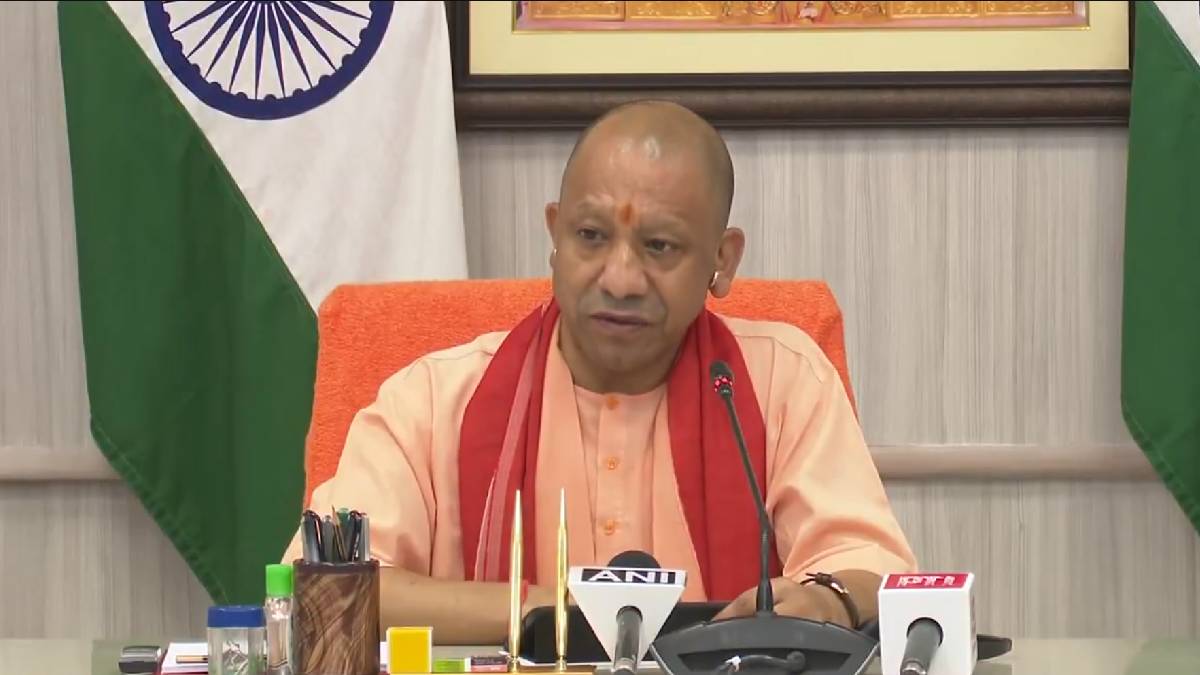
Yogi Adityanath, when he spoke about India and Japan, said that India's cultural ties are ancient and we should maintain and strengthen these relationships so people, especially students and young people, are able to connect and build on them.
"Cultural ties between India and Japan are ancient; the student exchange programme is an opportunity to learn from each other,” said Yogi Adityanath.
Cultural diplomacy is important in developing relations between countries, the Chief Minister said. While government-to-government engagement is still an important part of international relations, students, academics and young professionals can connect people directly to people for decades.
Cultural ties between India and Japan are ancient; student exchange programme an opportunity to learn from each other.
— News Arena India (@NewsArenaIndia) August 21, 2026
- Uttar Pradesh CM Yogi Adityanath pic.twitter.com/25FlMIQKxE
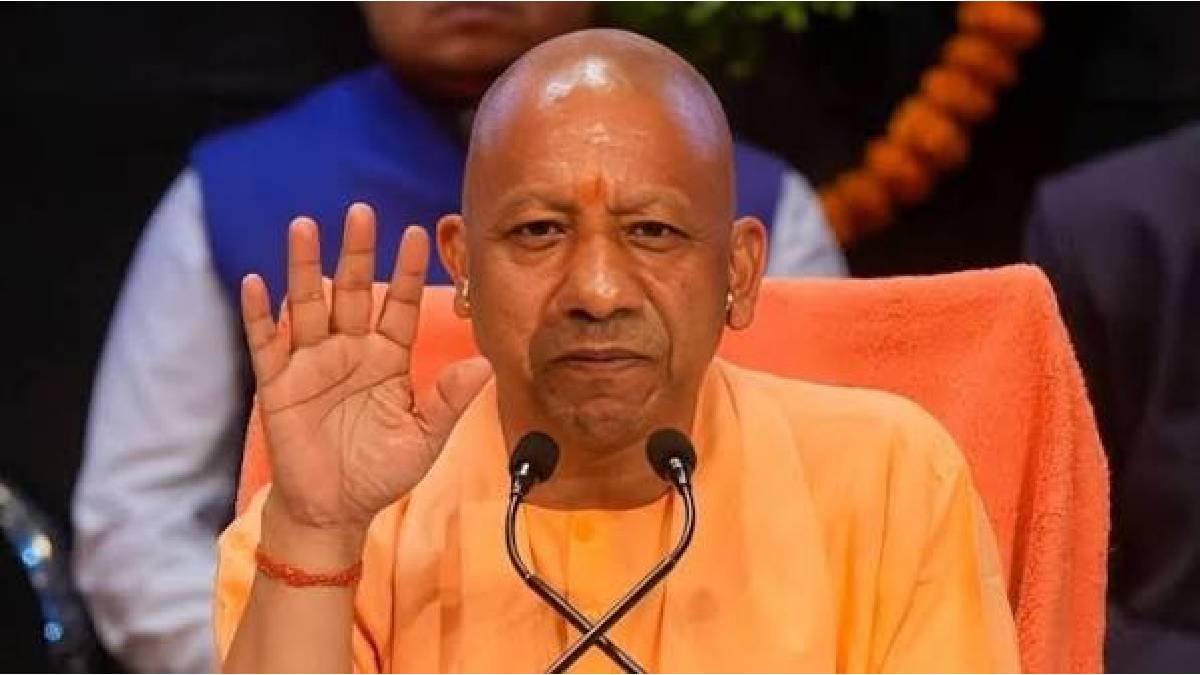
Student exchange programmes can give students a chance to experience another country’s education system, traditions, social practices and cultural heritage. Exposure to Japanese society, for Indian students visiting Japan, can be very useful for their learning of technology, discipline, education, innovation, and community life. Japanese students in India can also experience India's rich cultural heritage, history, languages, and rapidly developing economy firsthand.
The India-Japan relationship has blossomed into a partnership of huge scale, encompassing all aspects of economic cooperation, technology, infrastructure, education, and cultural exchanges. Also, it has a very close people-to-people relationship with Buddhism and the connection between Indian and Japanese civilisation in particular.
Student exchanges can be especially important in bringing younger generations to these similarities and differences between the two societies, and therefore this is a broader context. Students can learn more about the other country in direct contact and in a deeper way than in a textbook.
Such programmes also encourage cooperation in education and research. Students who develop friendship and professional networks in exchange programmes can build those ties later in their career, which will help strengthen the cooperation on the academic, technological and economic level between India and Japan.
Yogi Adityanath’s emphasis on learning from each other also reflects the two-way cultural exchange. One country sharing its culture with another is not what these initiatives are. They take place to enable people from different sides to learn and work together.
For younger generations, international exposure can also expand their global knowledge. Students from other countries have to learn how one country is different from another and thus develop the ability to communicate, adaptability, and cross-cultural dialogue.
The Chief Minister's comments therefore place student exchange programmes within the larger framework of India-Japan friendship. With relations between the two countries continuing to develop, educational and cultural initiatives can complement cooperation in strategic and economic fields.
India and Japan are both rich in ancient cultural ties, and these cultural links are the basis for this engagement. Both countries can promote student participation in travel, study and interaction with their peers so that their history can be used by future generations.
The interest in student exchanges also demonstrates the importance of young people to shape global relationships. Today’s students may become tomorrow’s researchers, entrepreneurs, policymakers, educators and cultural ambassadors. These kinds of familiarity and understanding will help strengthen India-Japan ties in the future.
The statement by Yogi Adityanath supports that diplomacy extends beyond the formalization of treaties and government agreements. Cultural understanding, educational cooperation, and interaction between citizens are just as important as meeting in the eyes of the people.
With India and Japan searching for new ways to cooperate, student exchange programmes can also be useful in the development of mutual understanding to help the younger generations of the two countries.